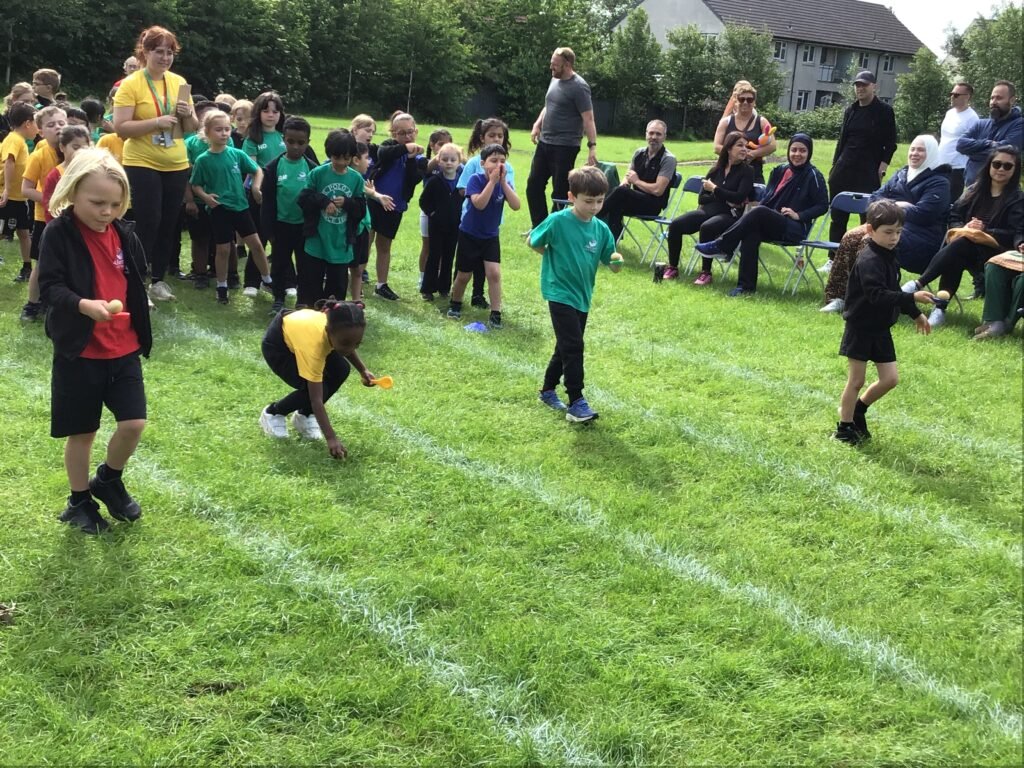
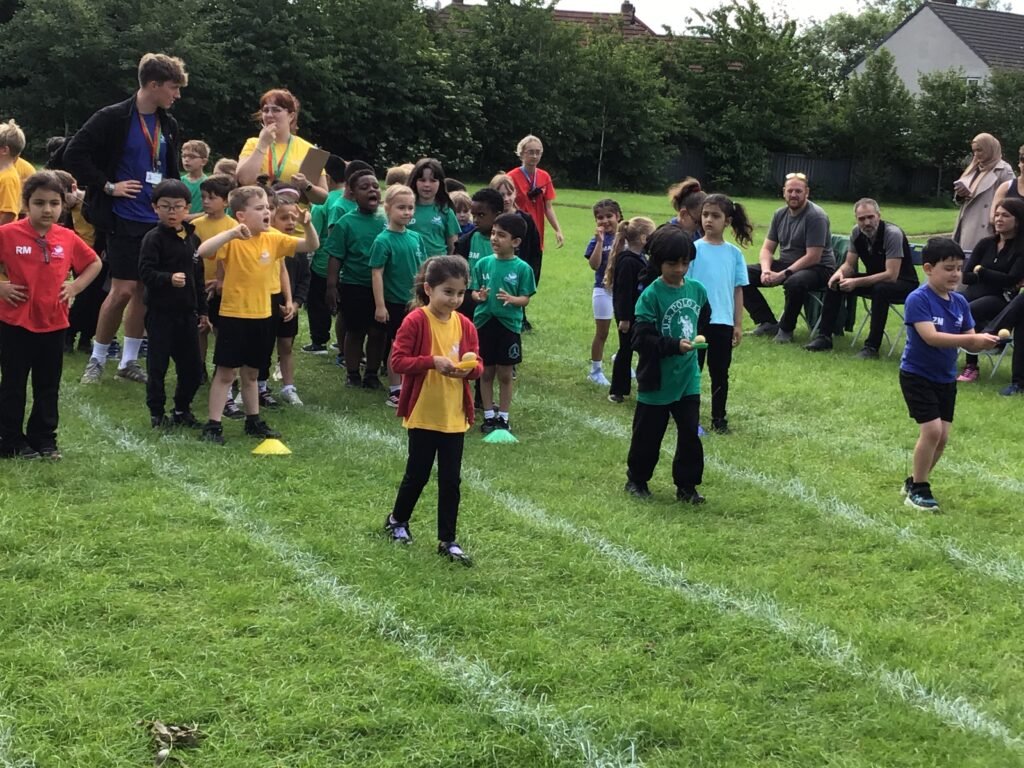
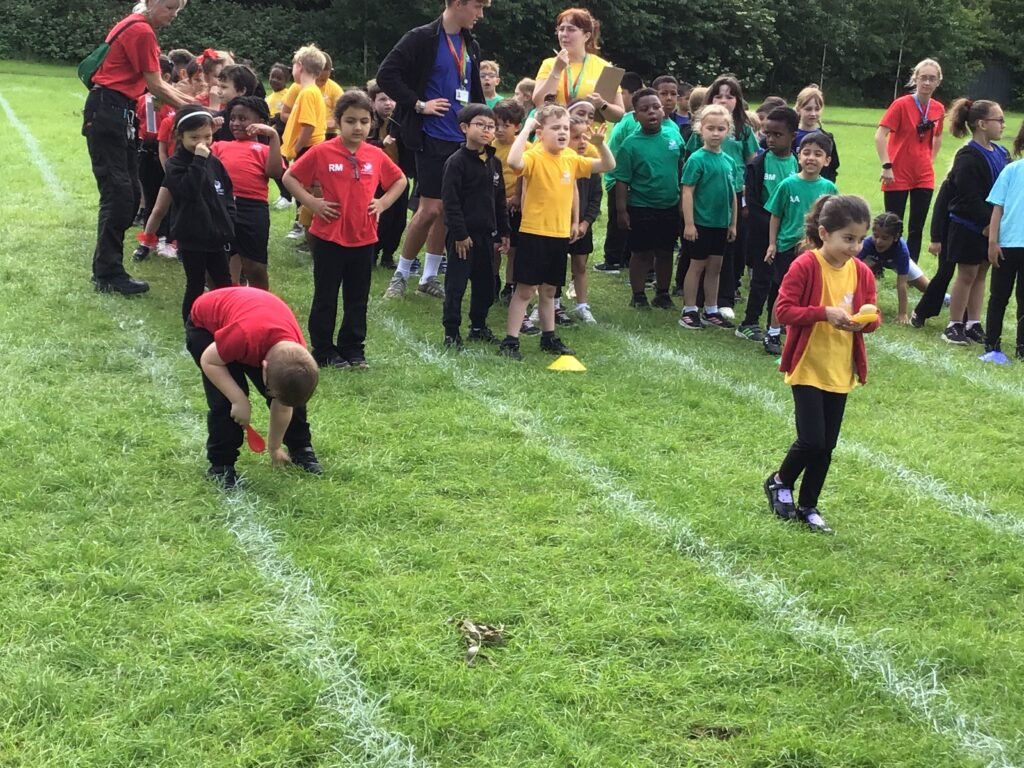
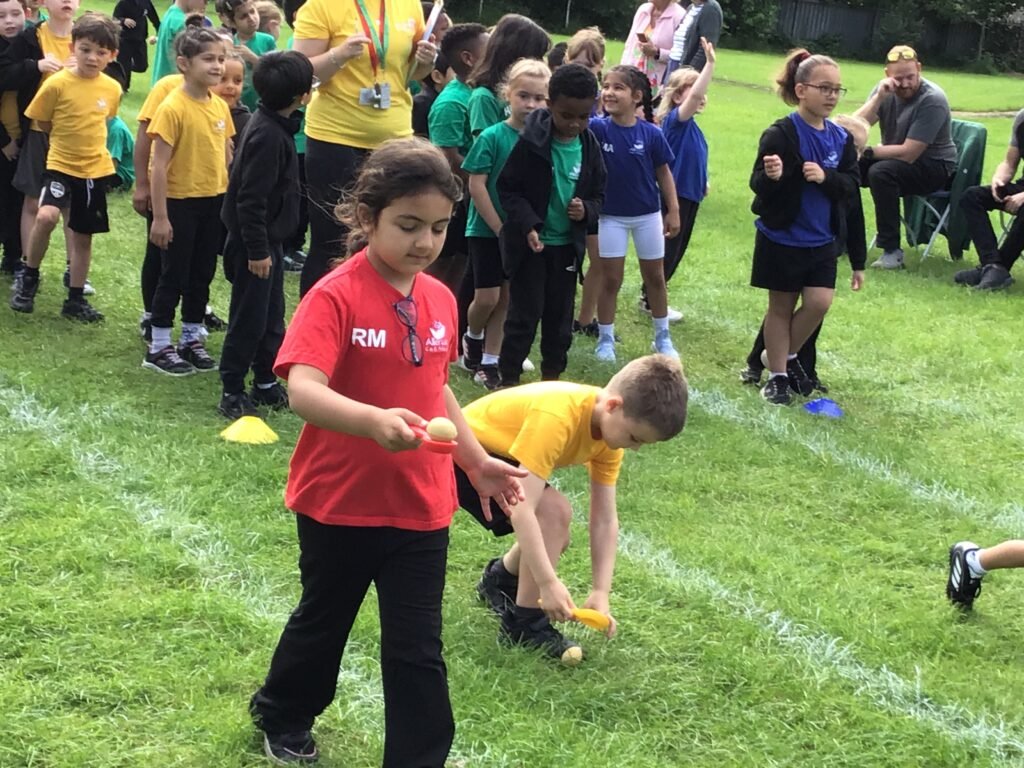
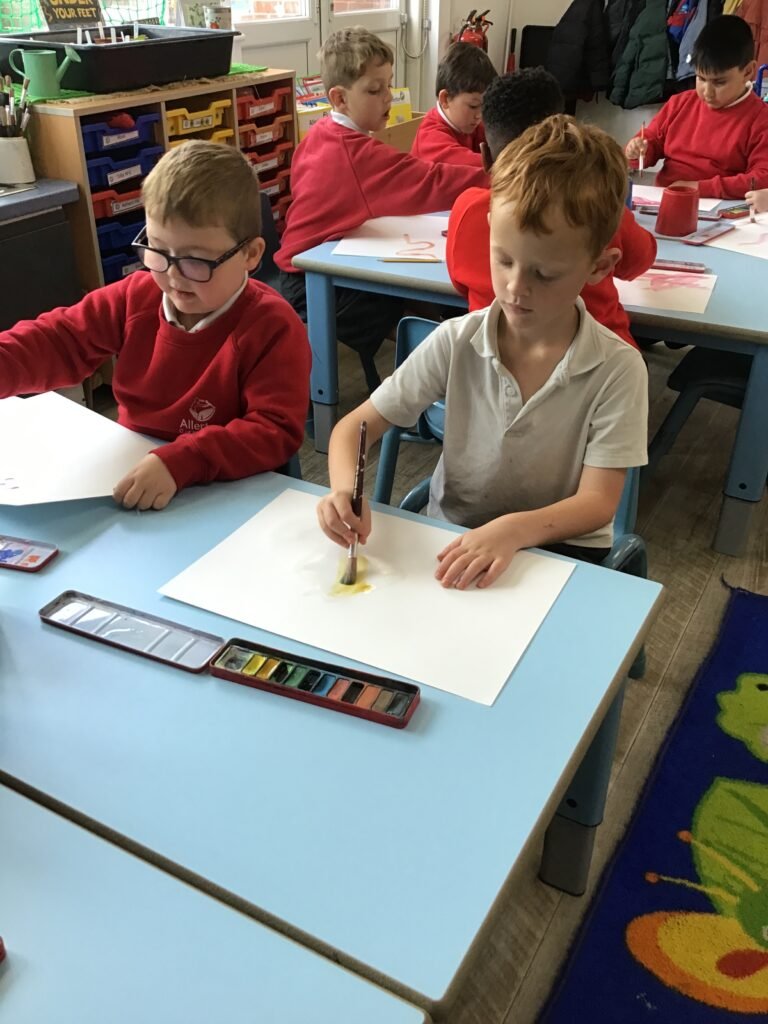
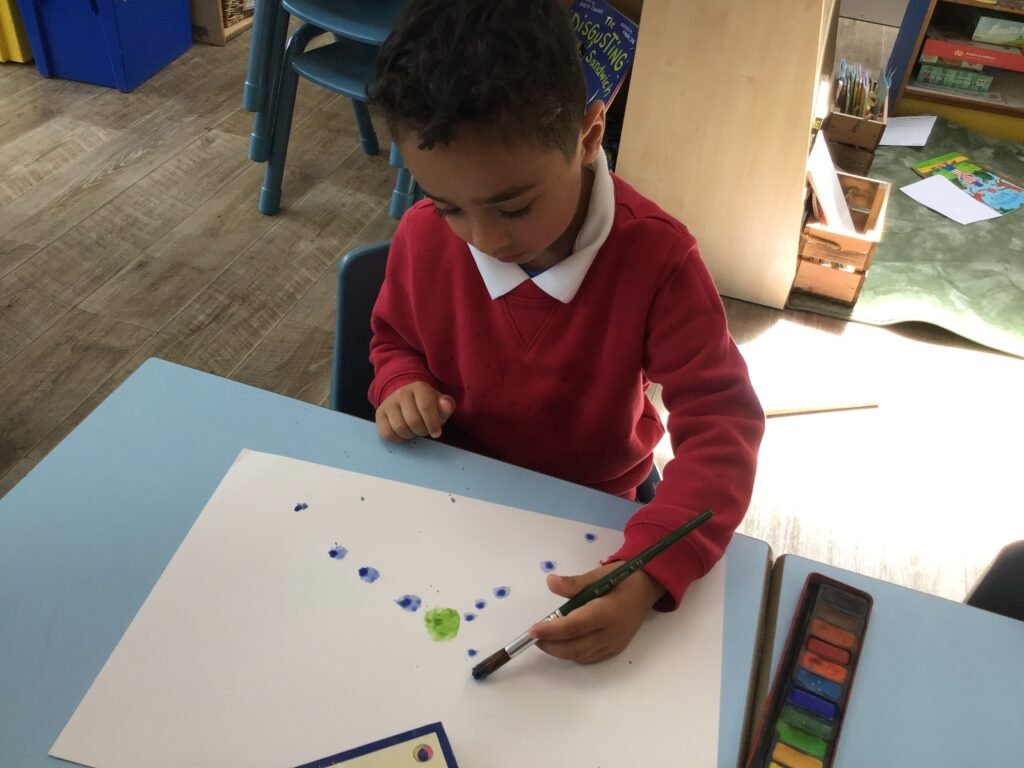
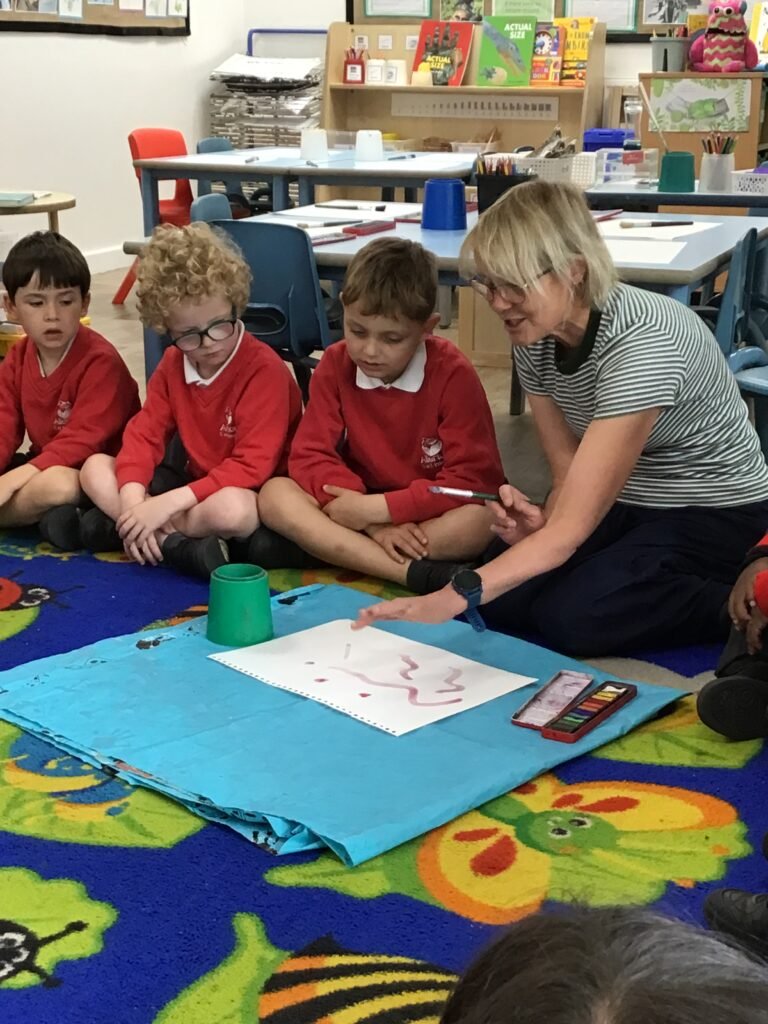
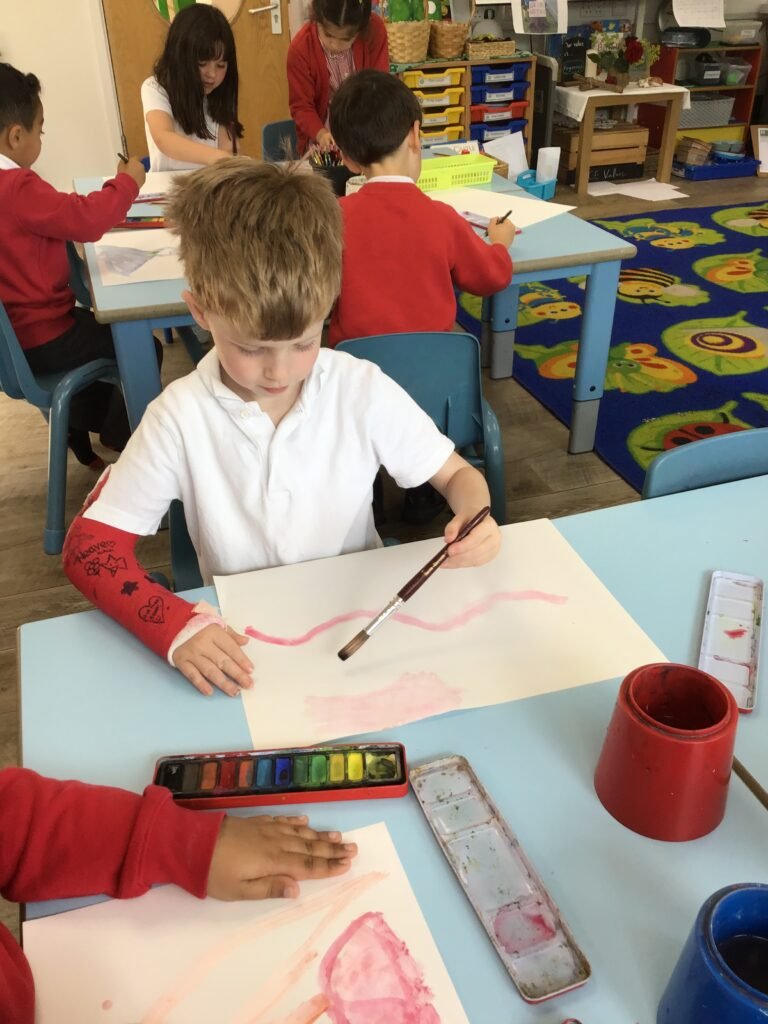
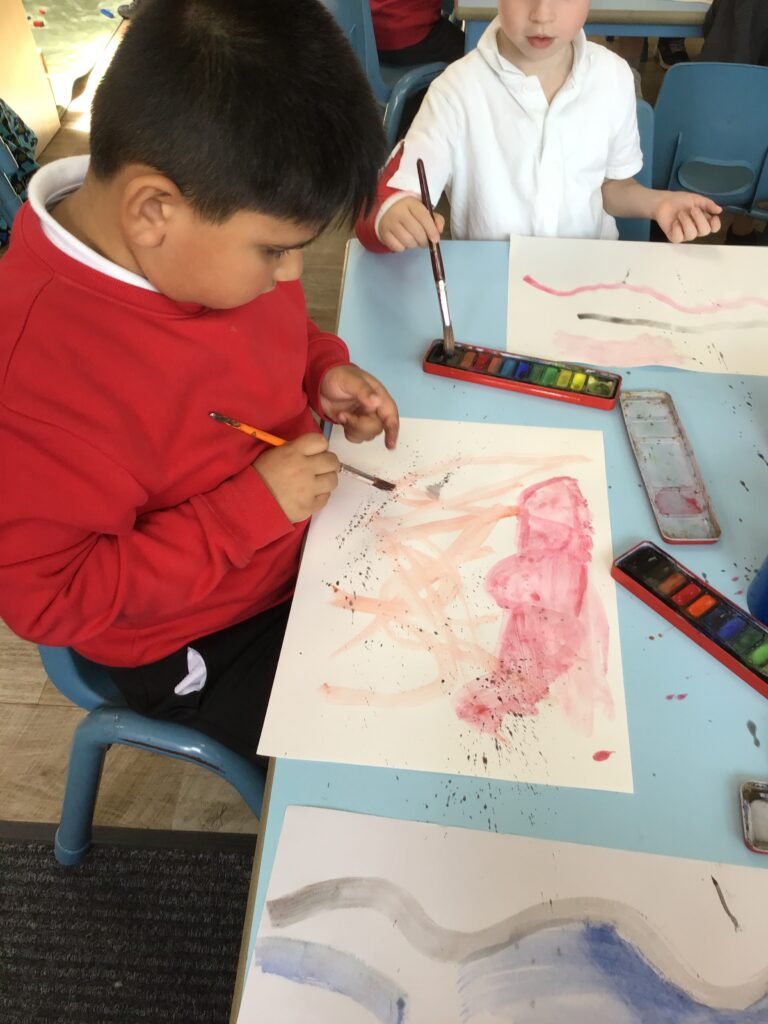
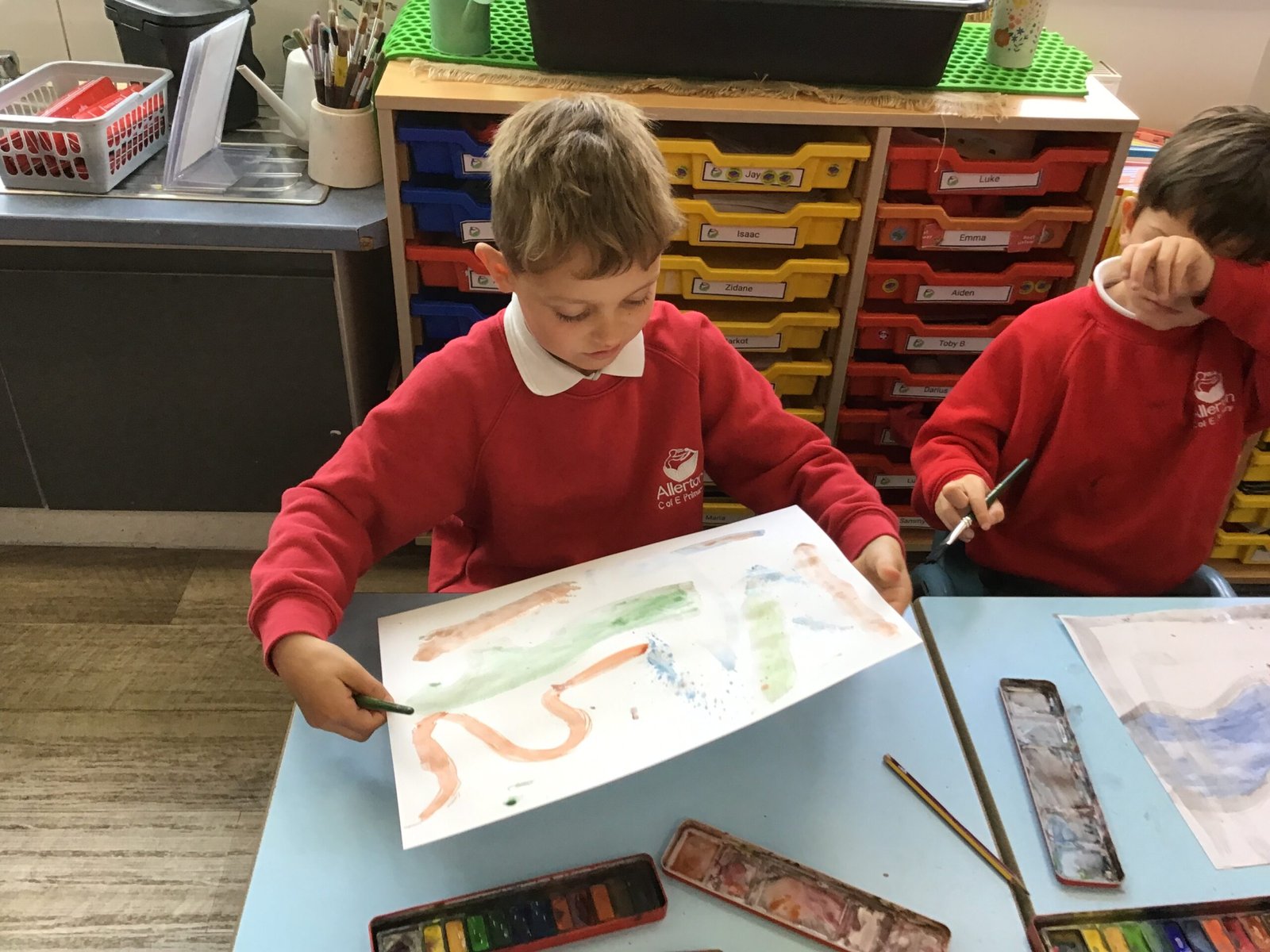
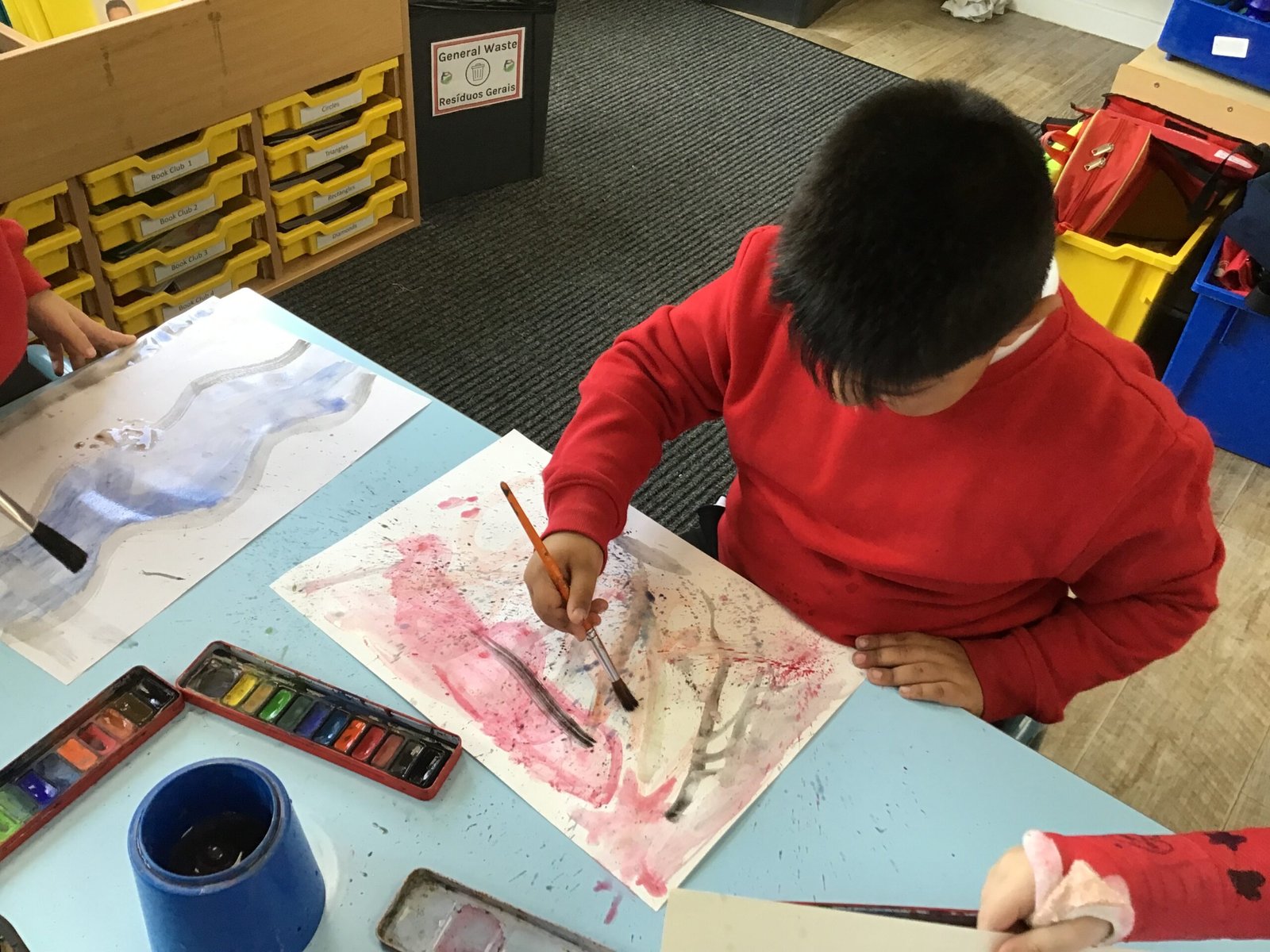
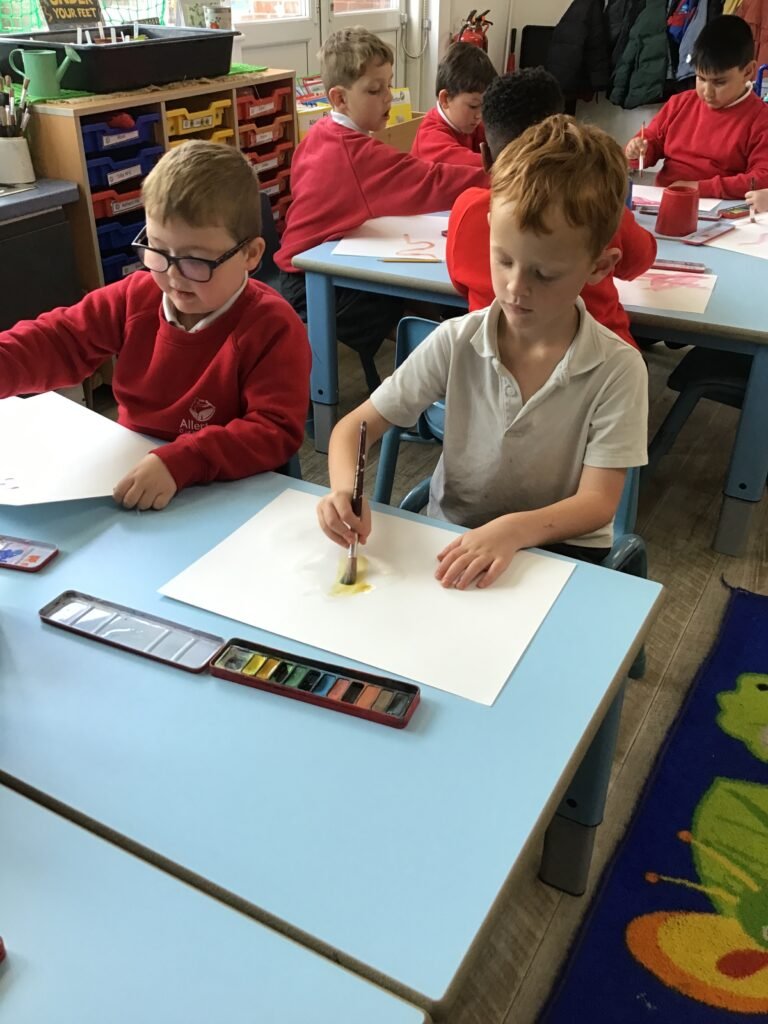
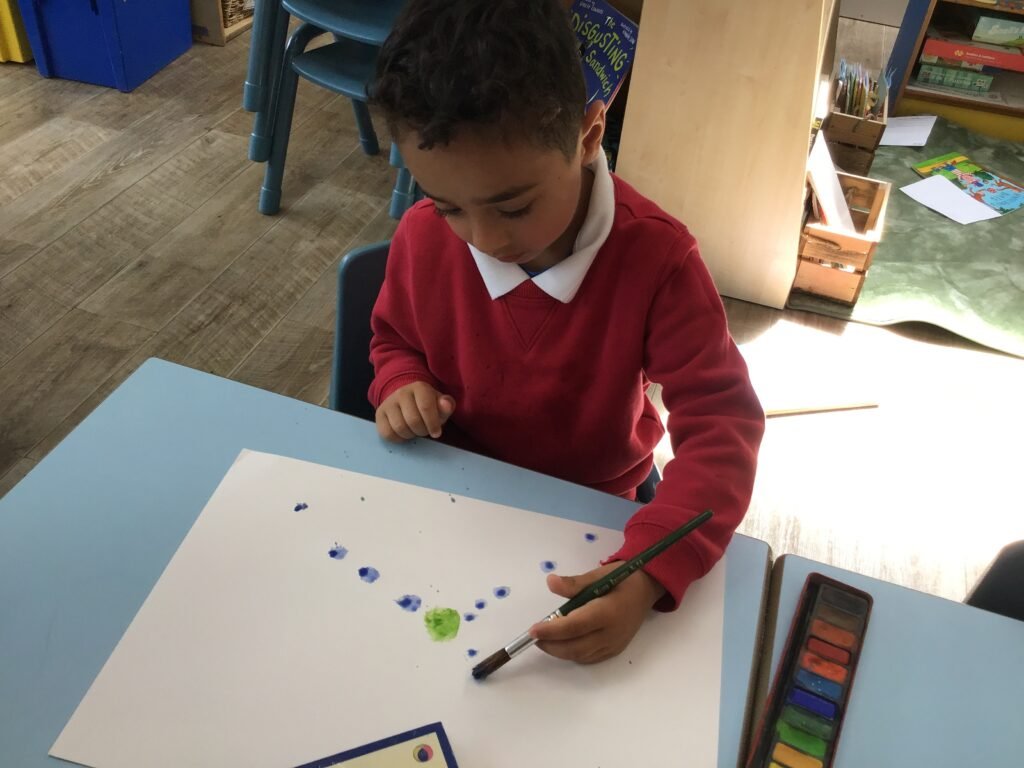
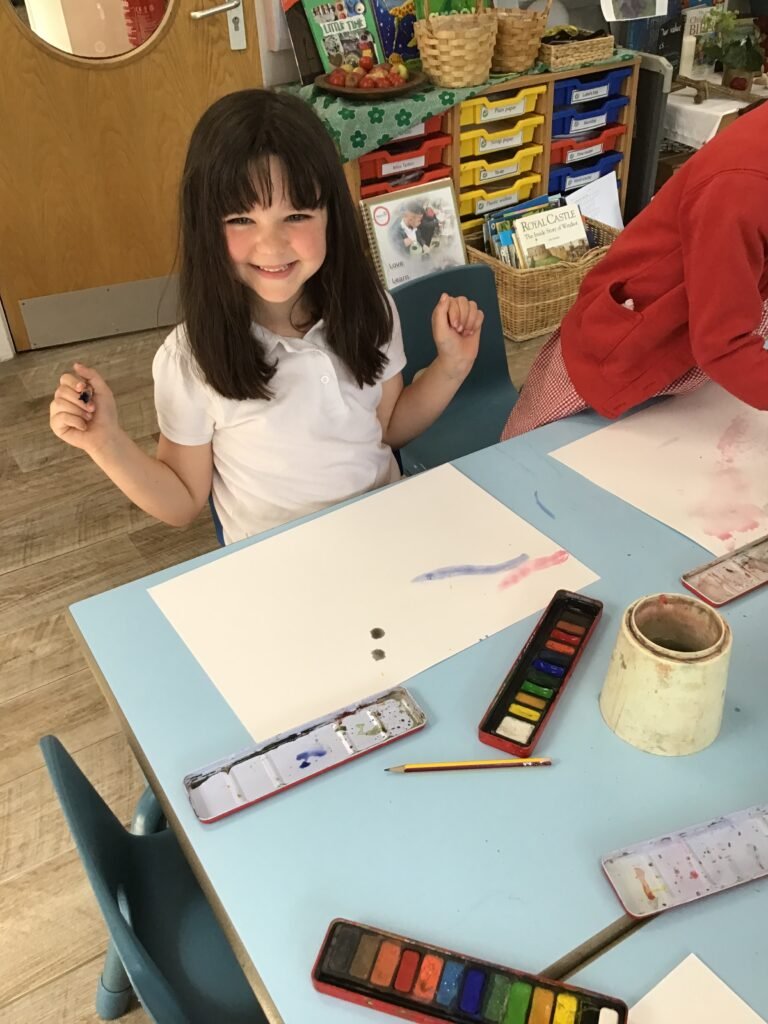
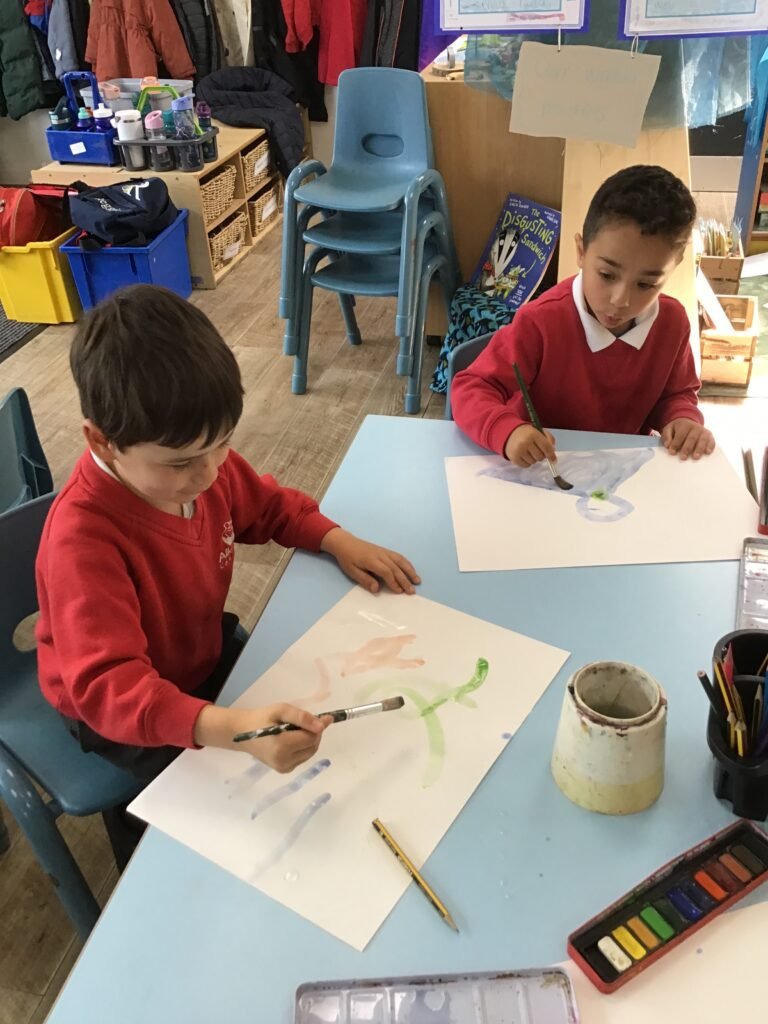
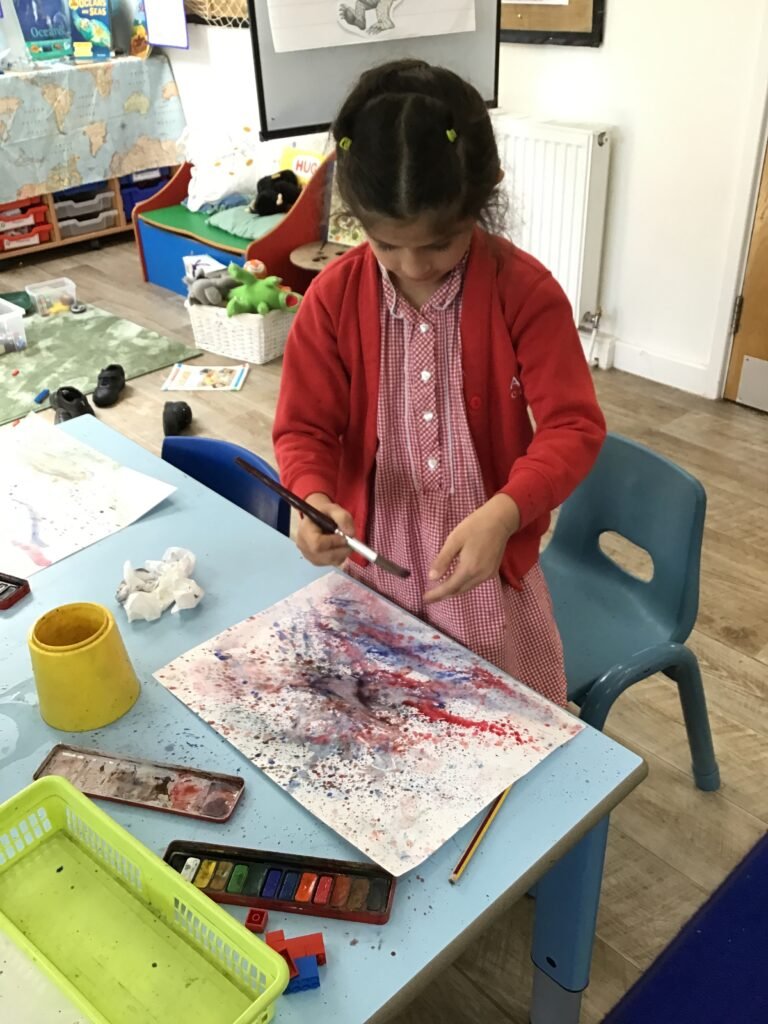
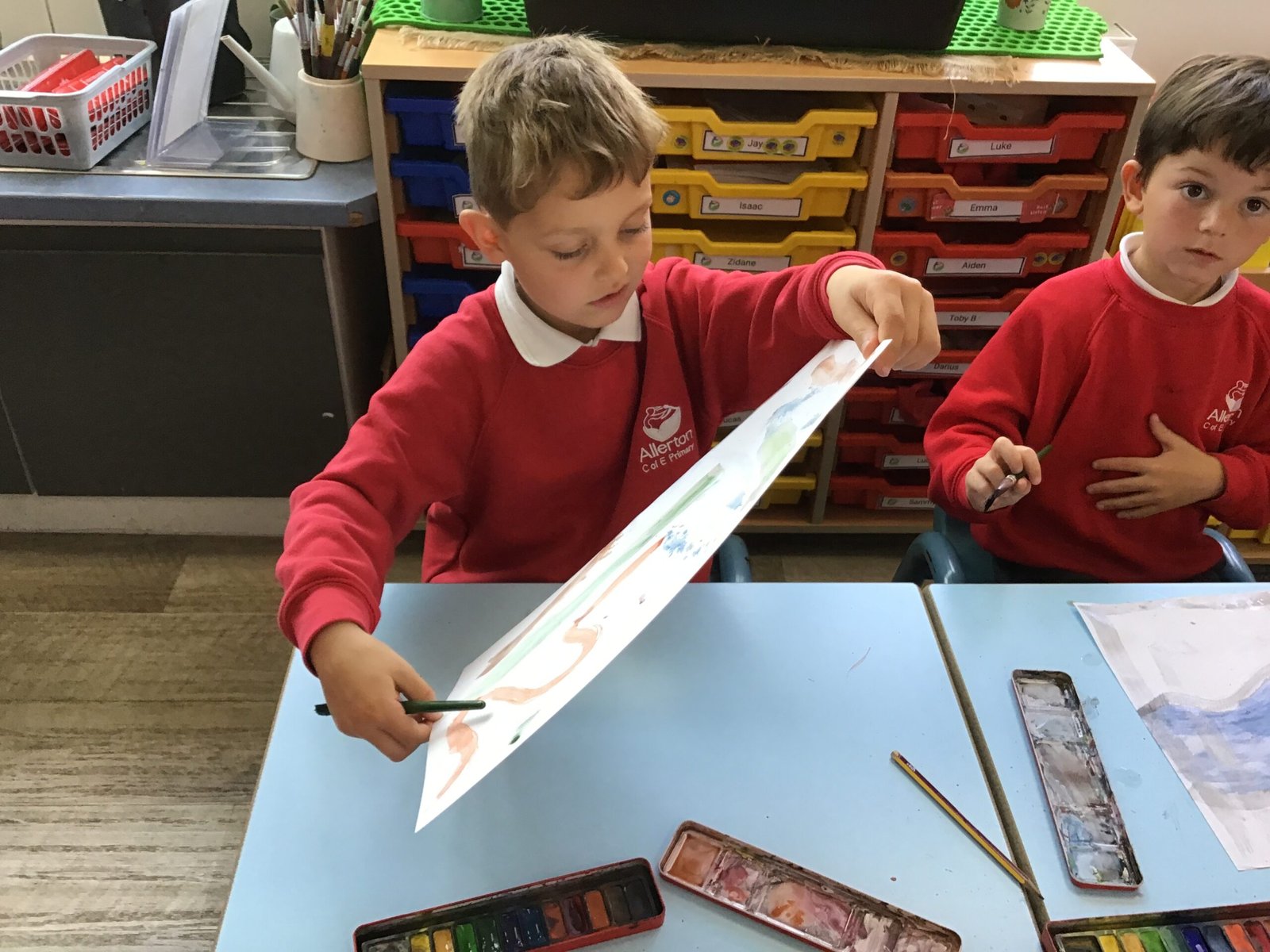
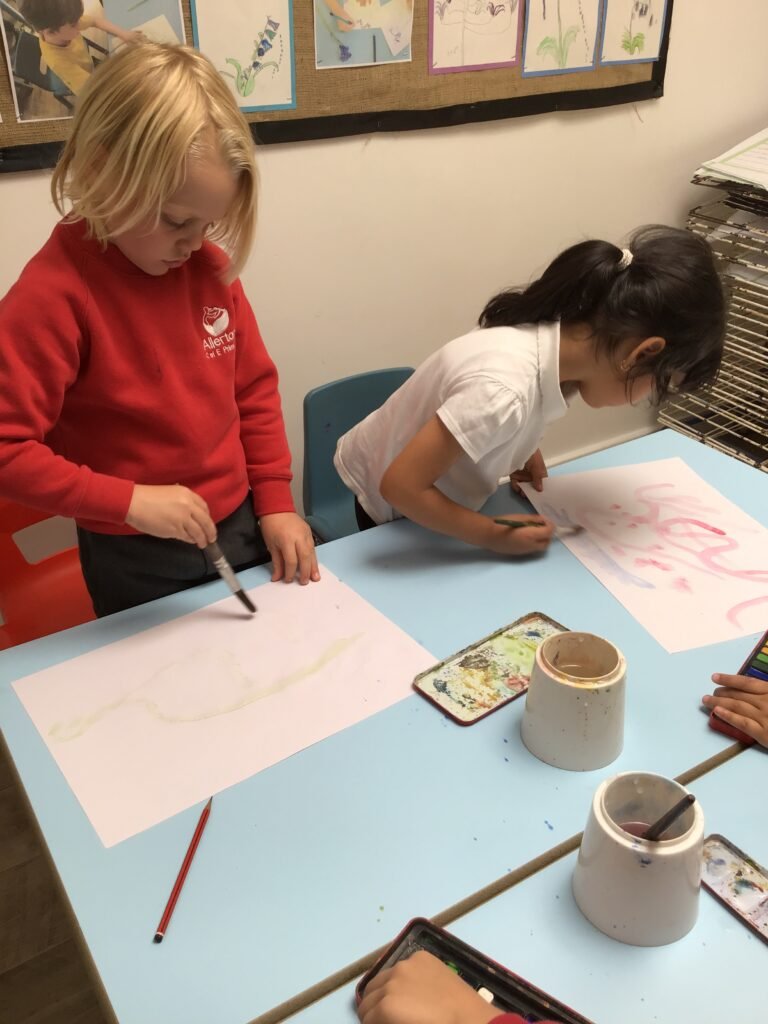
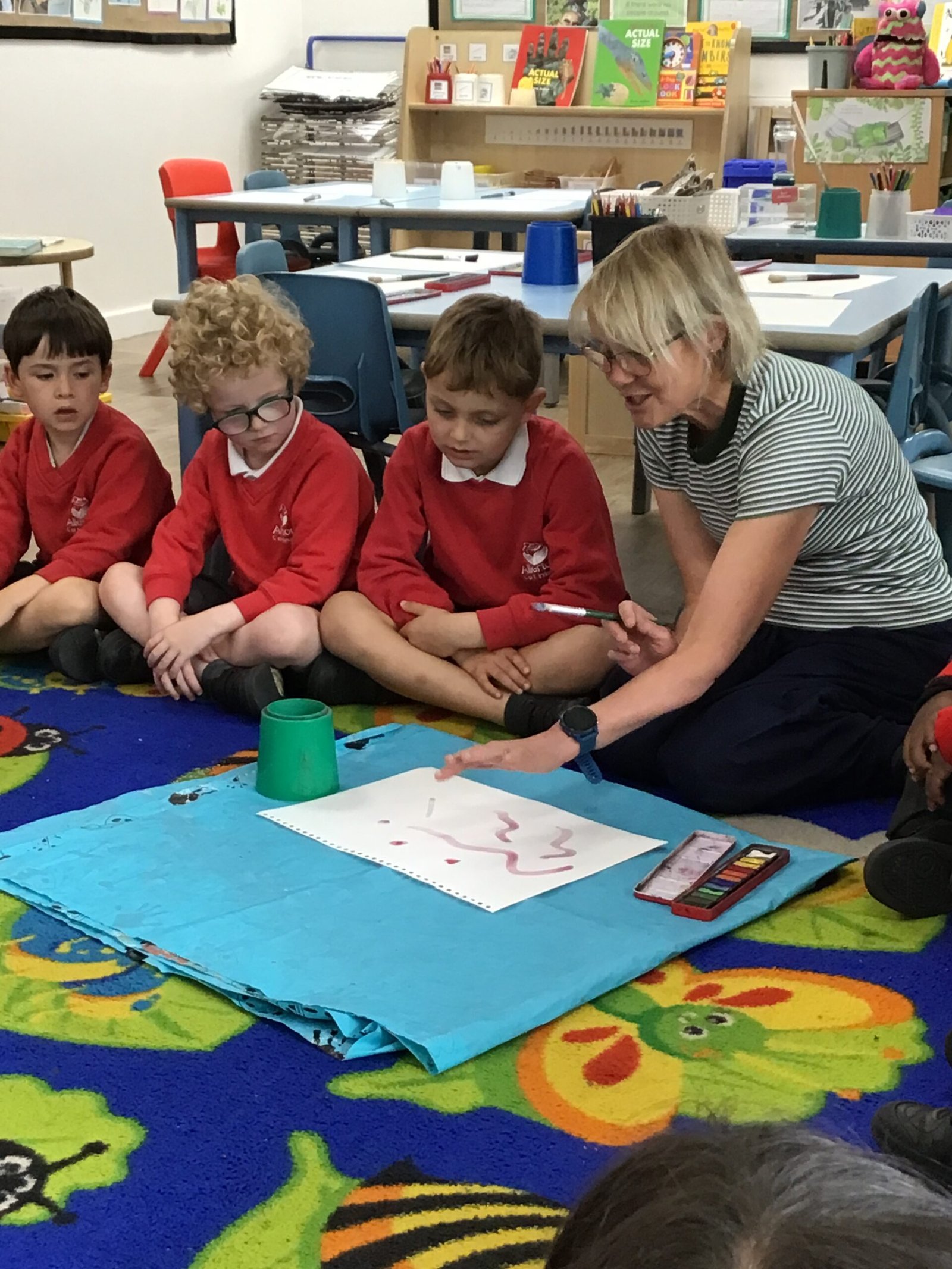
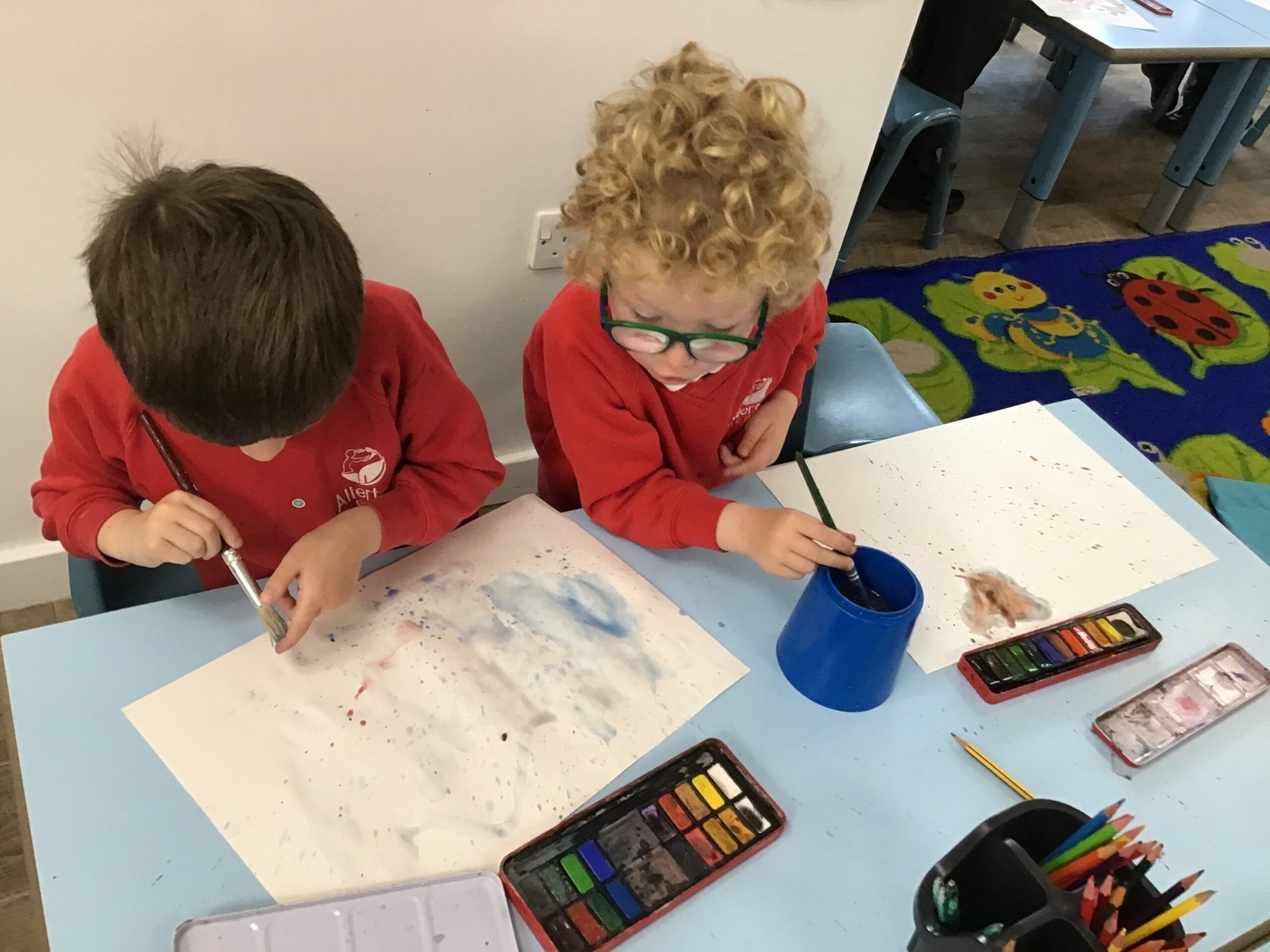
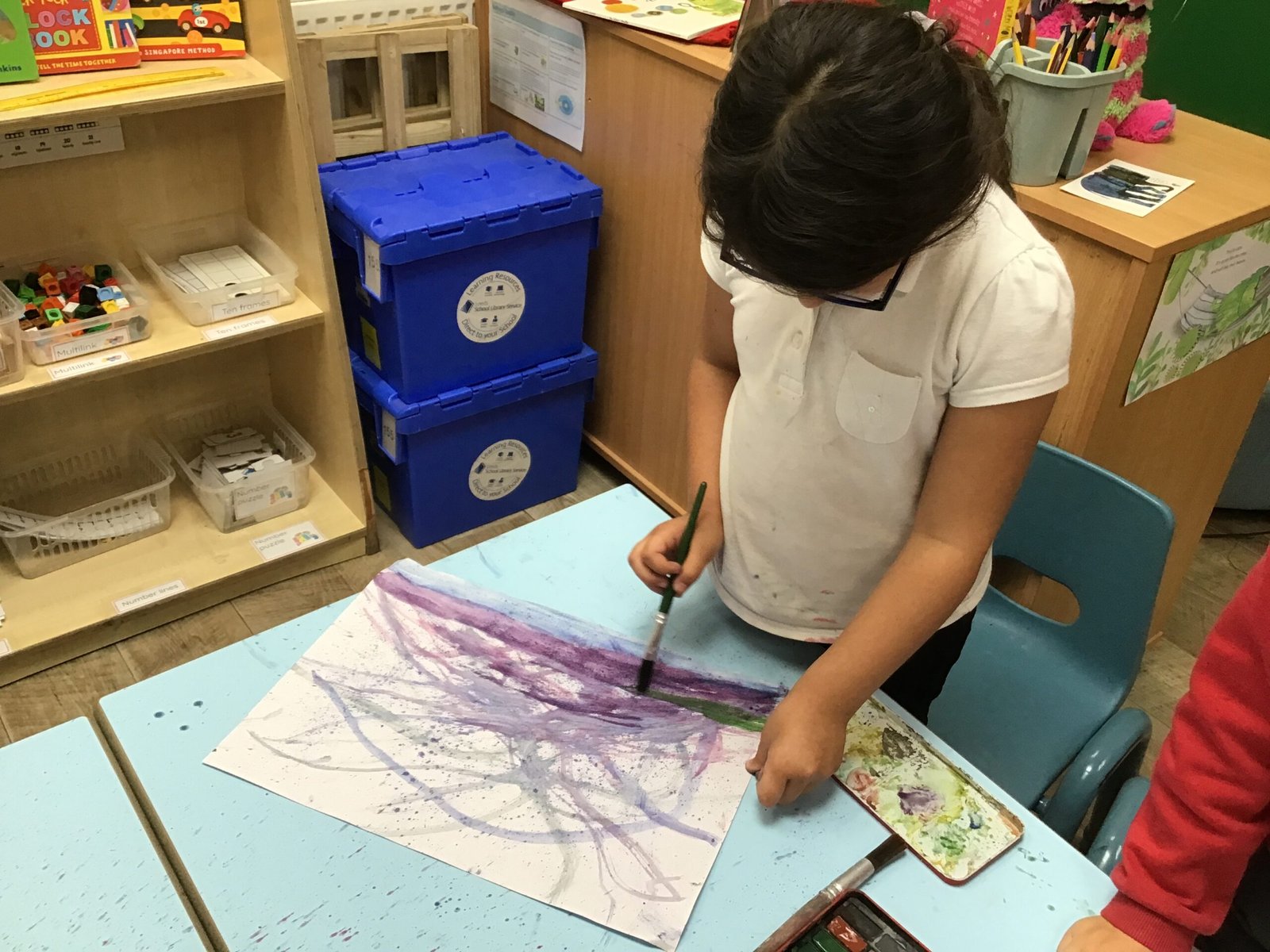
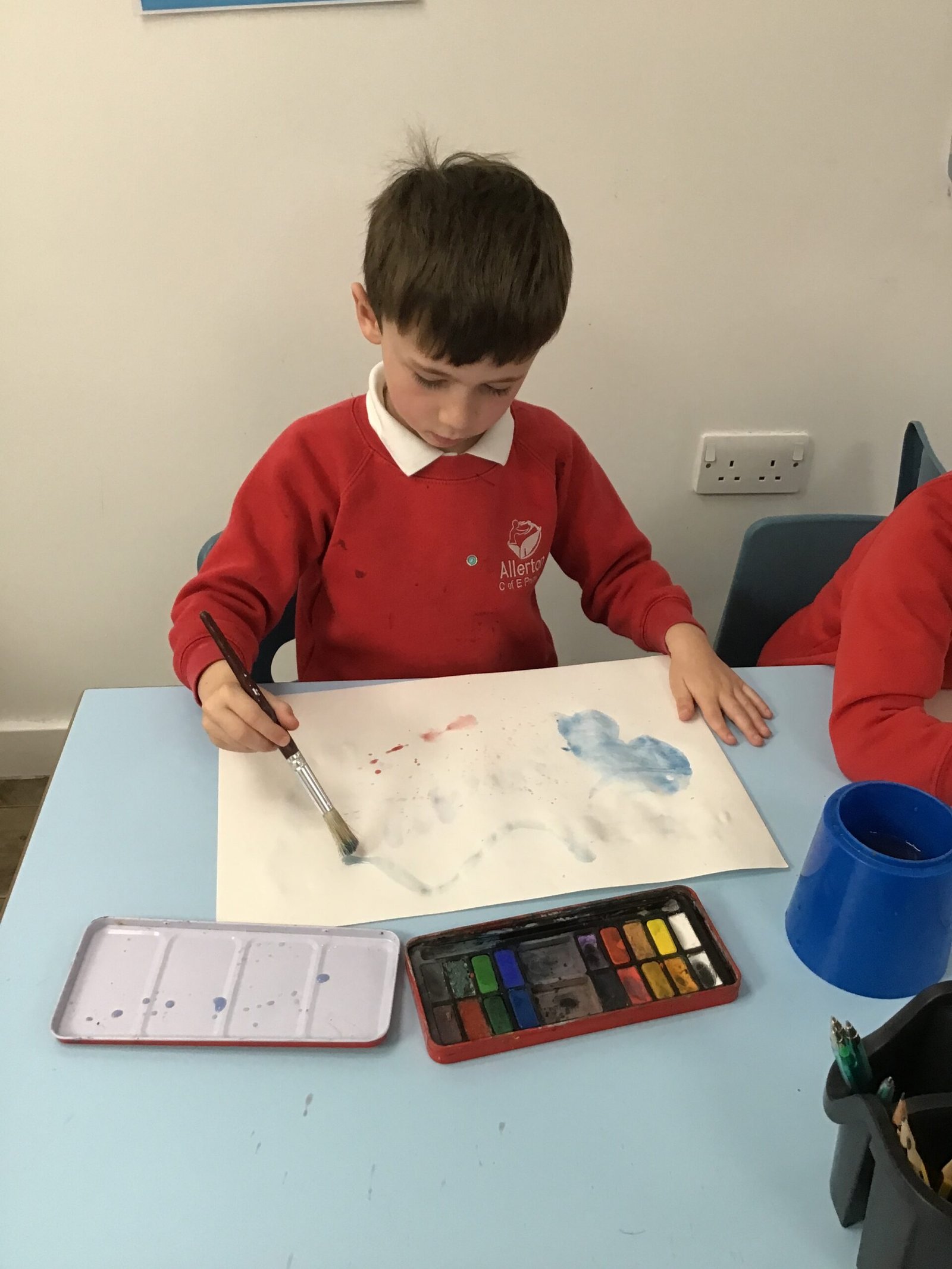
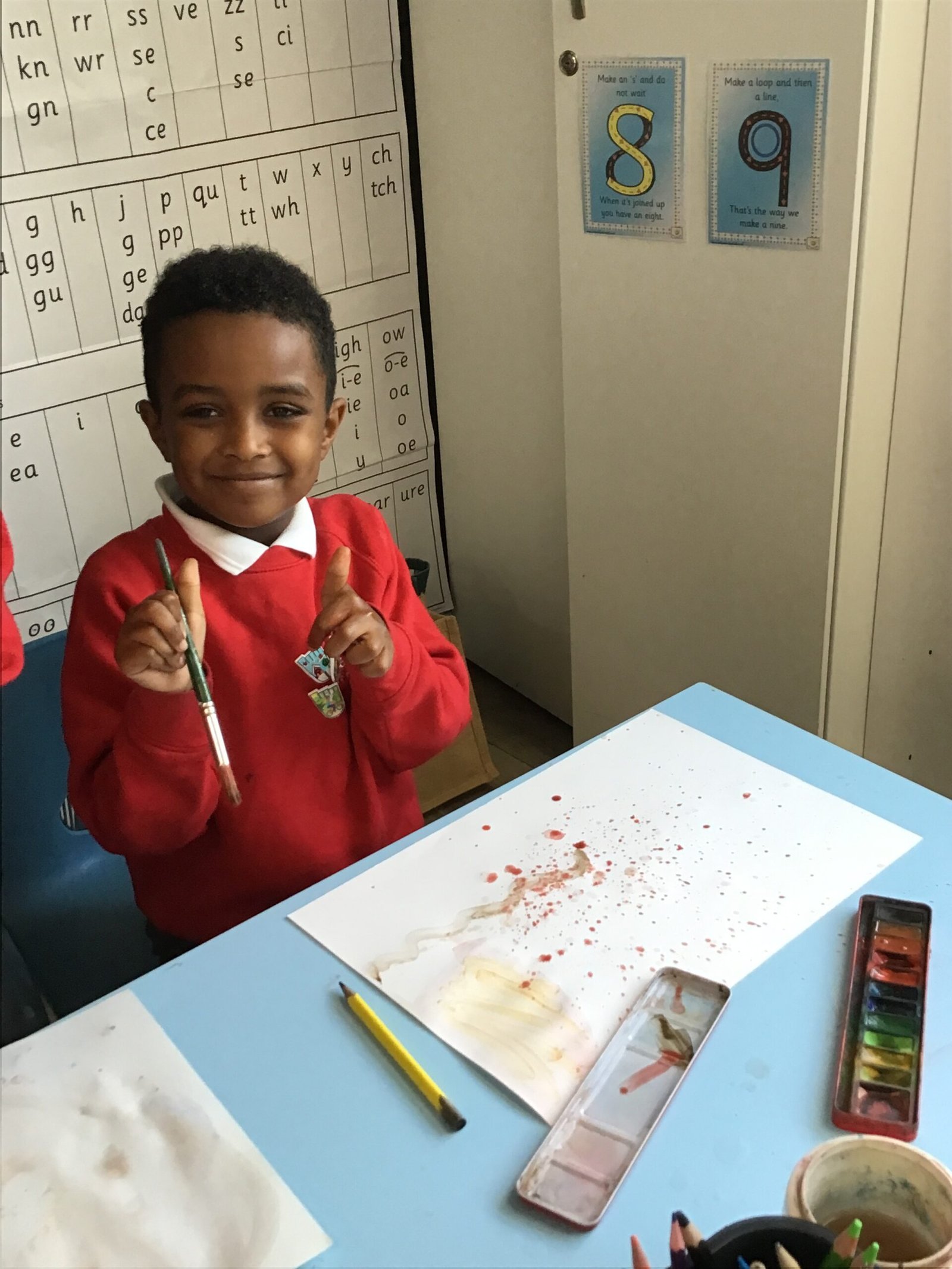
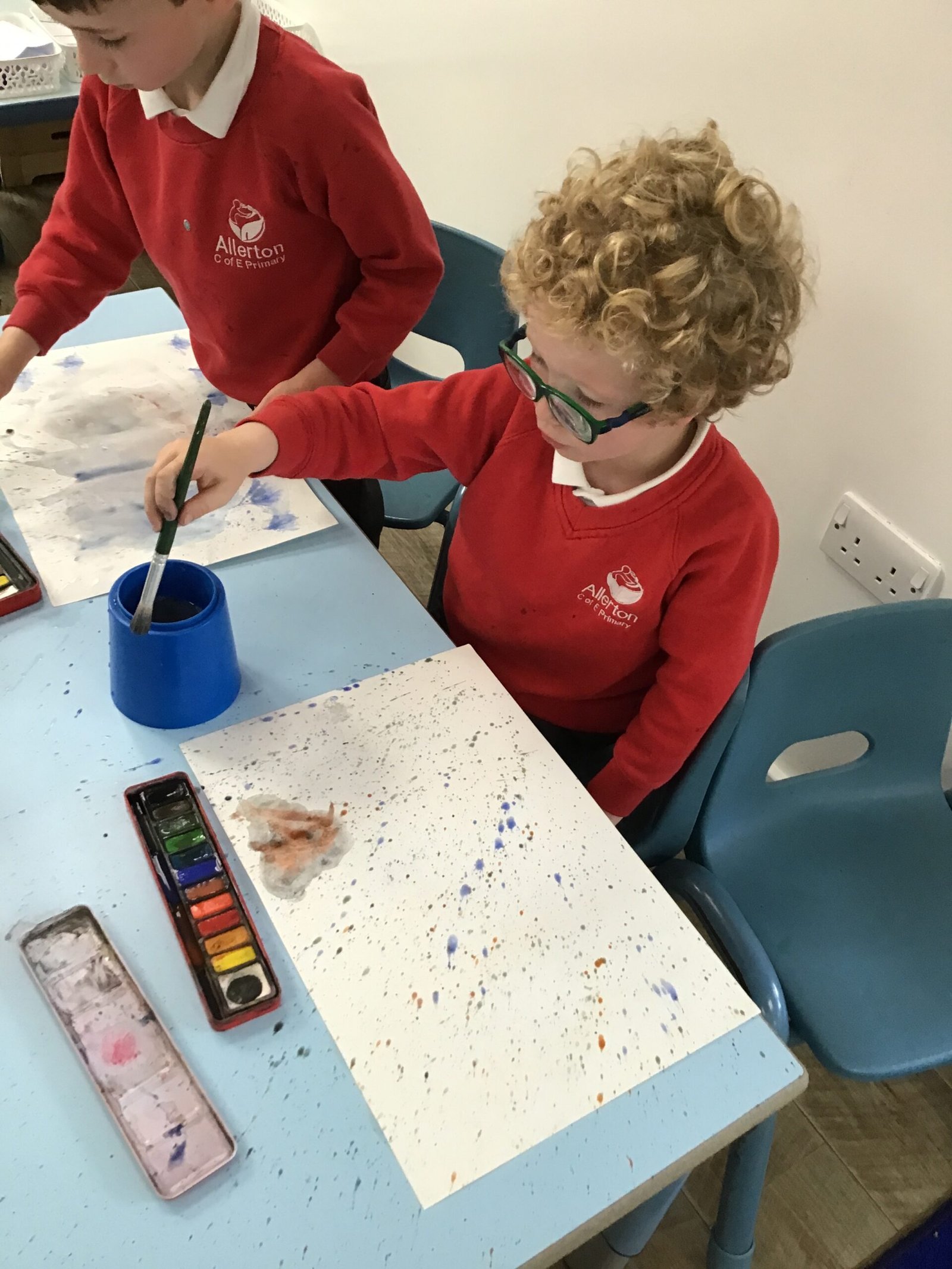
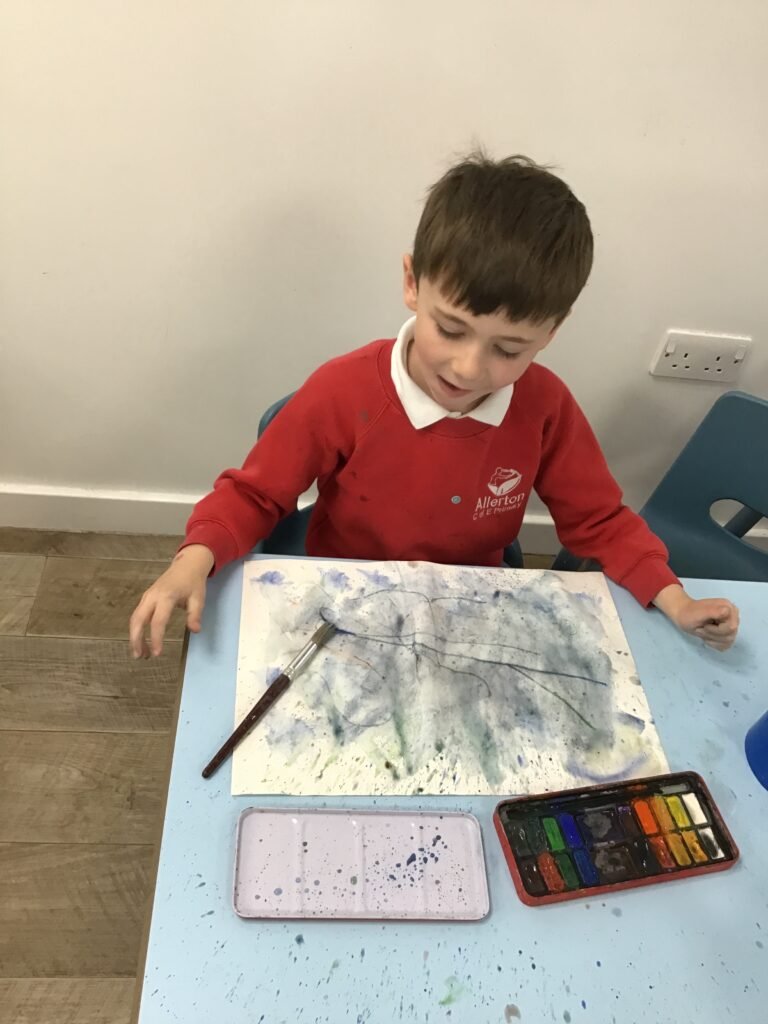
This week in art, we experimented with different watercolour techniques.
We wanted to explore what we can do with watercolour. We added some water to the metal lid of our water colours and then mixed in a colour. So we began by making some lines, squiggles, and shapes on the page. We learnt how to use our brush in different ways, stroking, wiggling and splattering, ( we loved this one!). We even used the side of the brush and the wrong end of the brush.
We experimented with the wet in wet technique, by adding water to the paper first and then adding the wet paint.
We lifted our paper up and let the water mix the colours together. We experimented and enjoyed it, and didn’t worry about making a pretty picture or to make it look like anything in particular, we are just experimenting!
This week we started our ‘Lifesavers’ topic with a poem called ‘Voices of Water’ by Tony Mitton. The children enjoyed reading the poem aloud and identifying words that describe how water moves and sounds. We talked about babbling brooks, splashing waves, dripping taps and rushing rivers. The poem inspired us to think about water in our own experiences and use our imaginations.
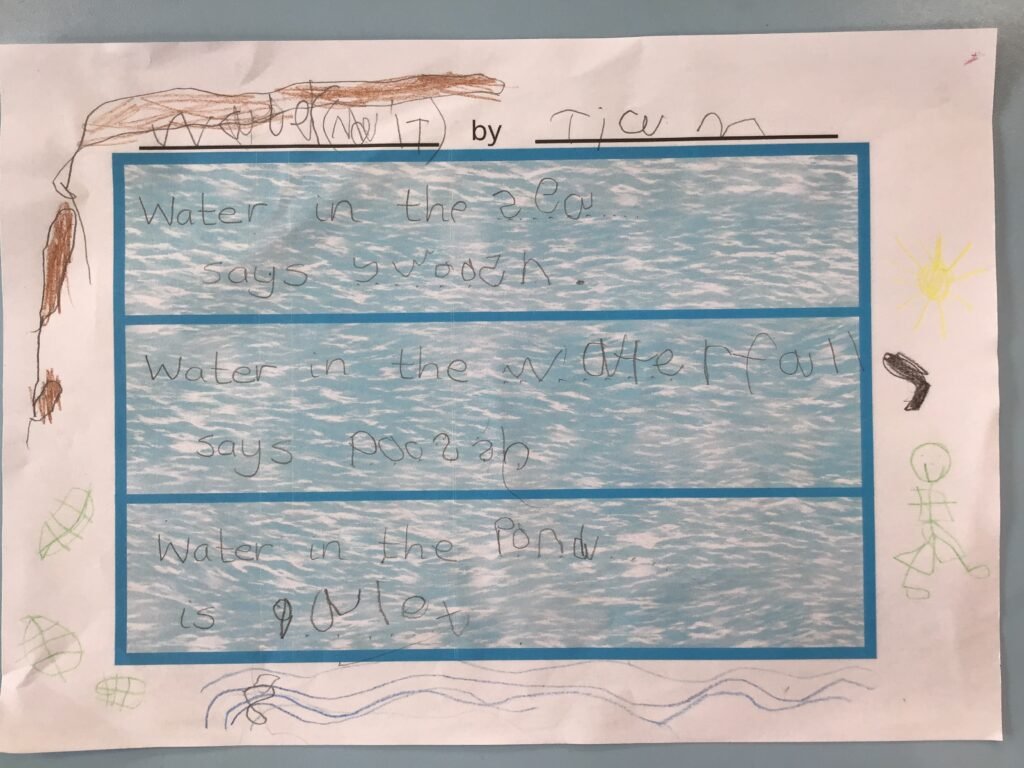
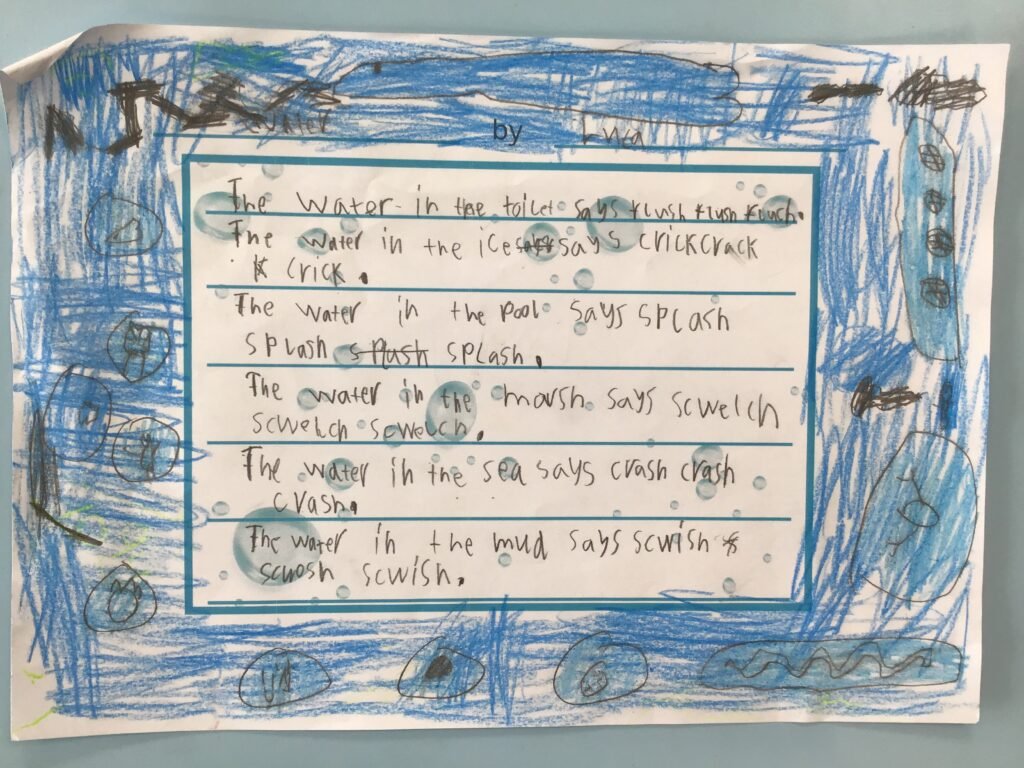
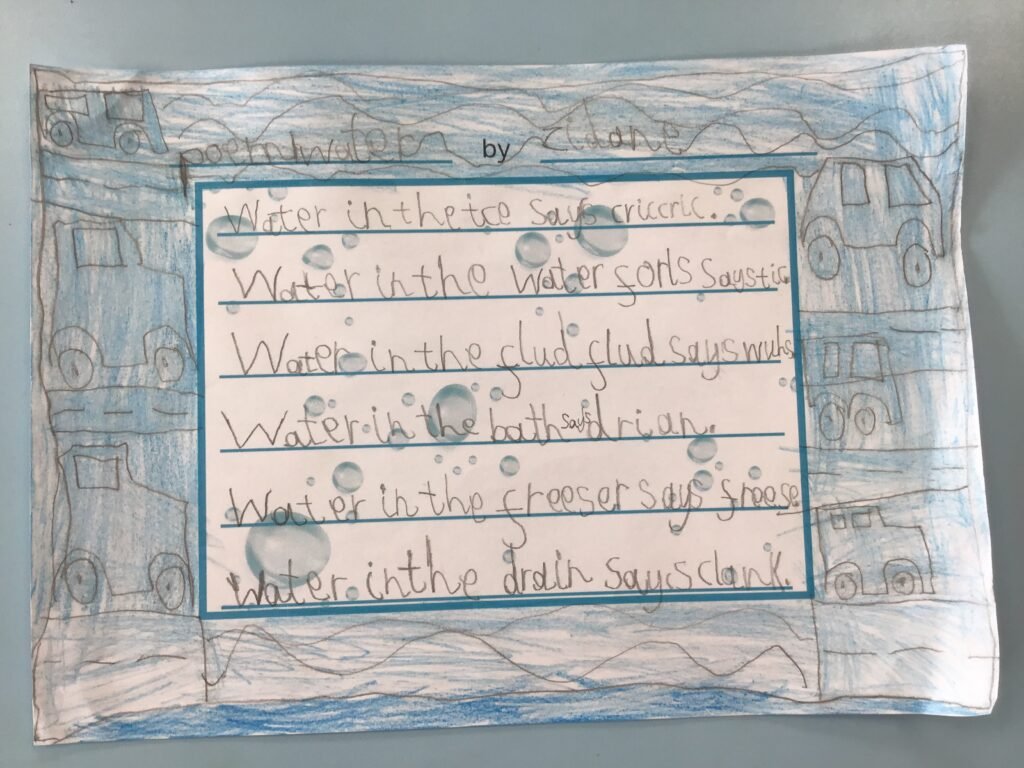
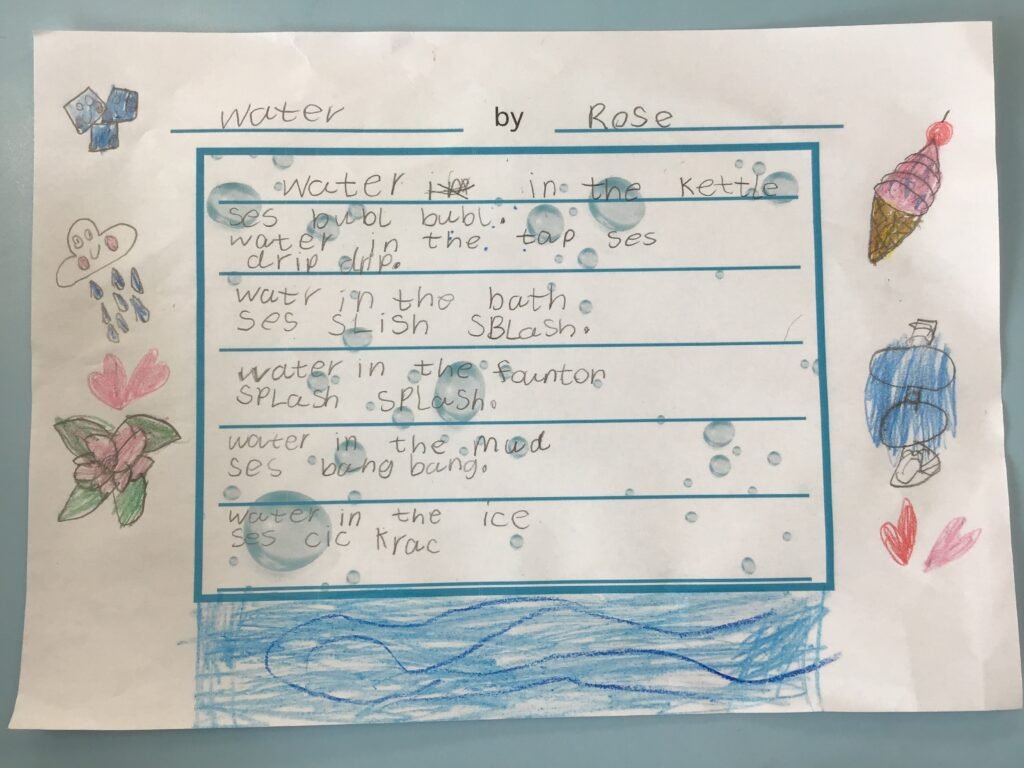
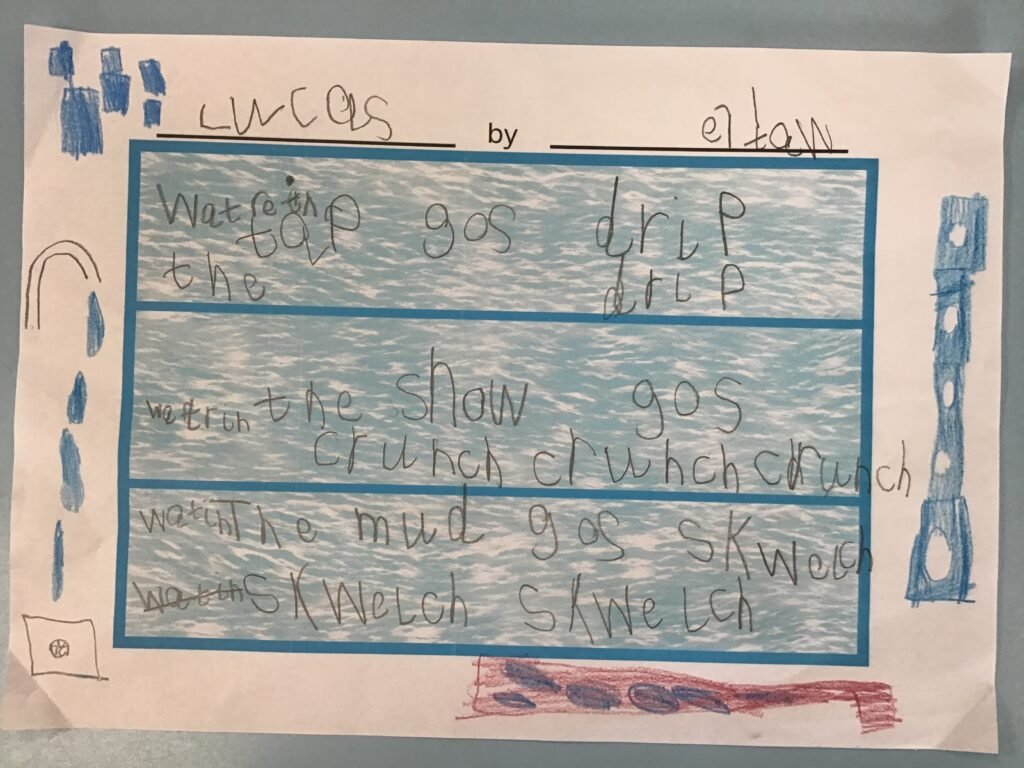
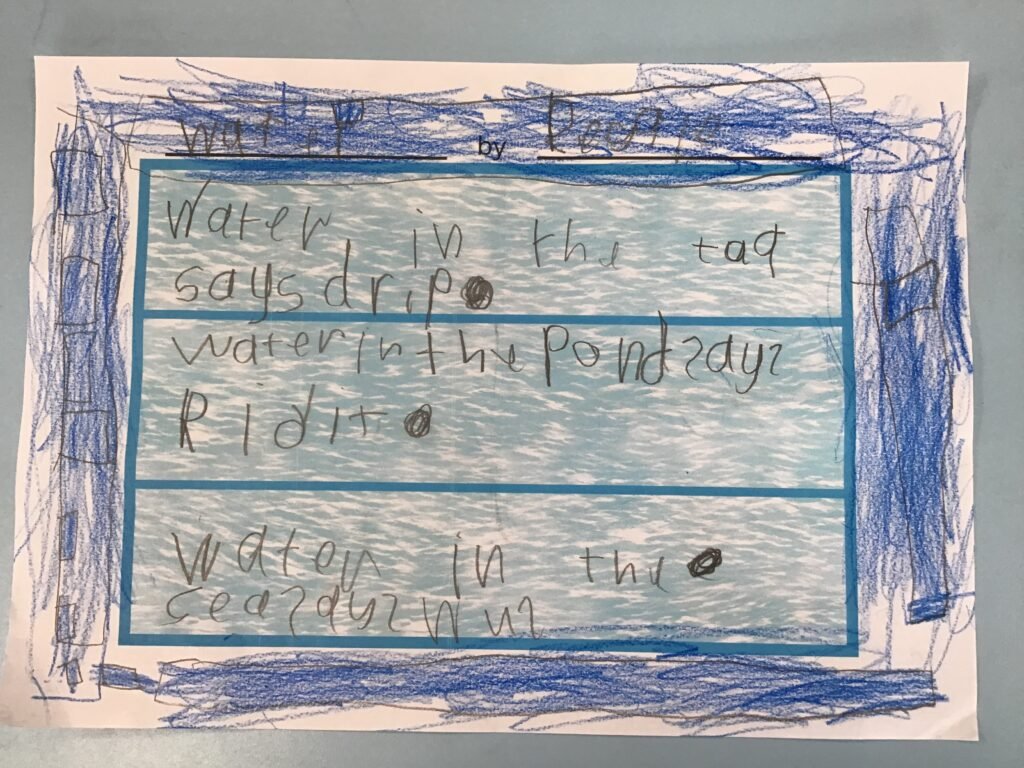
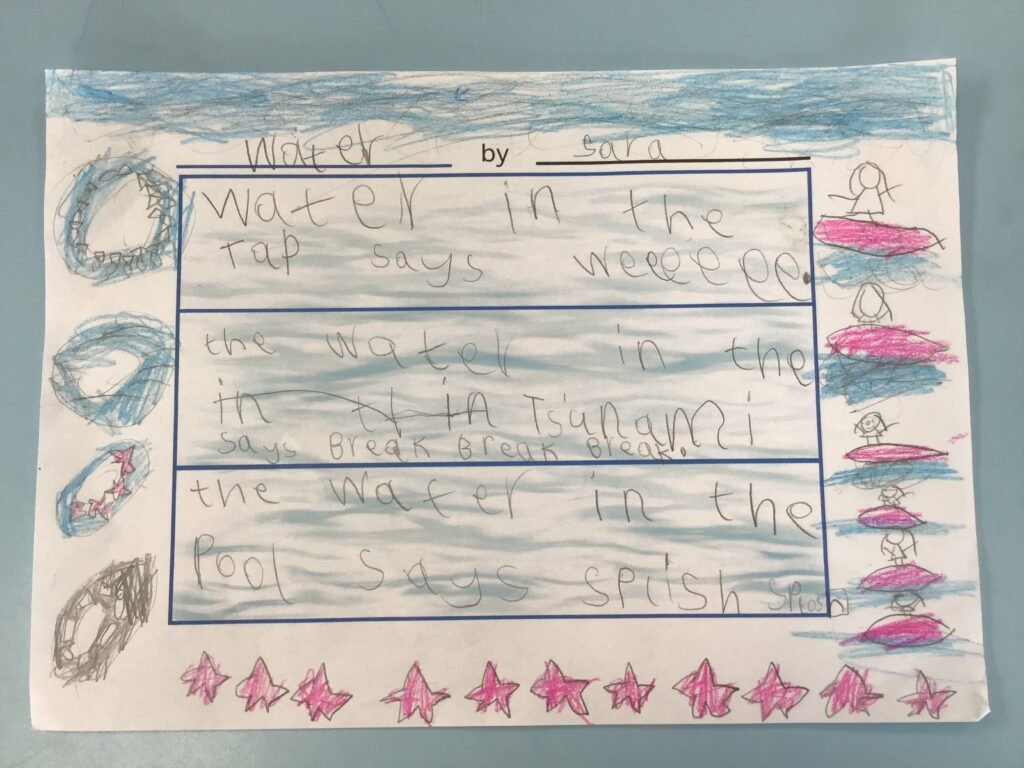
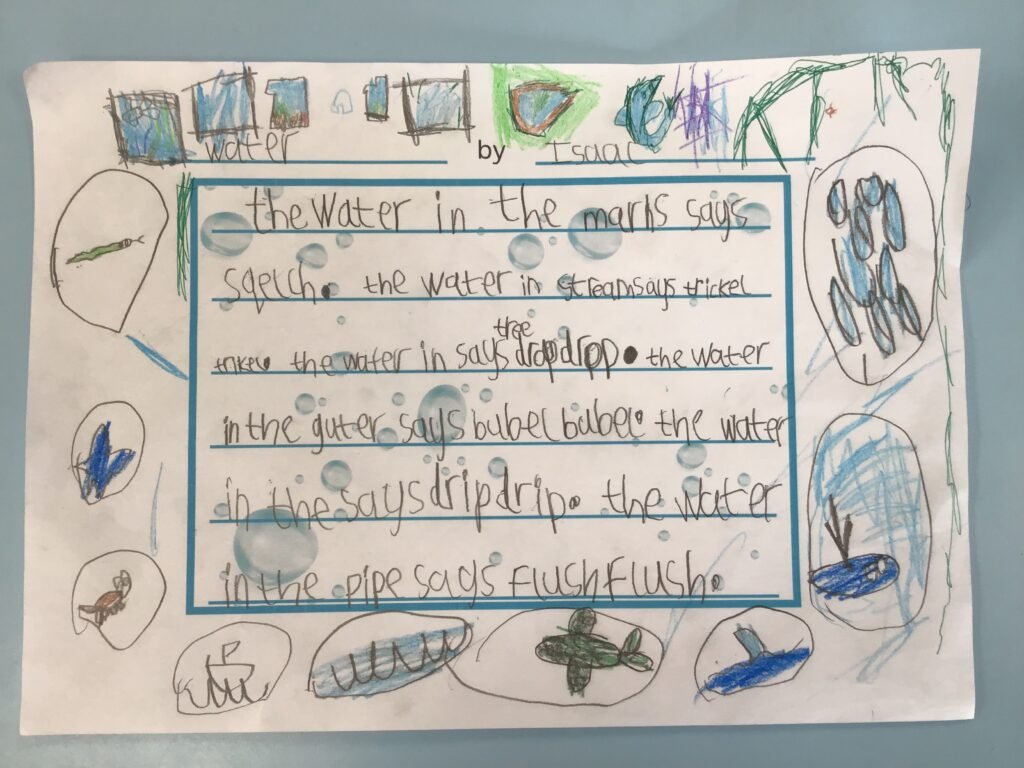
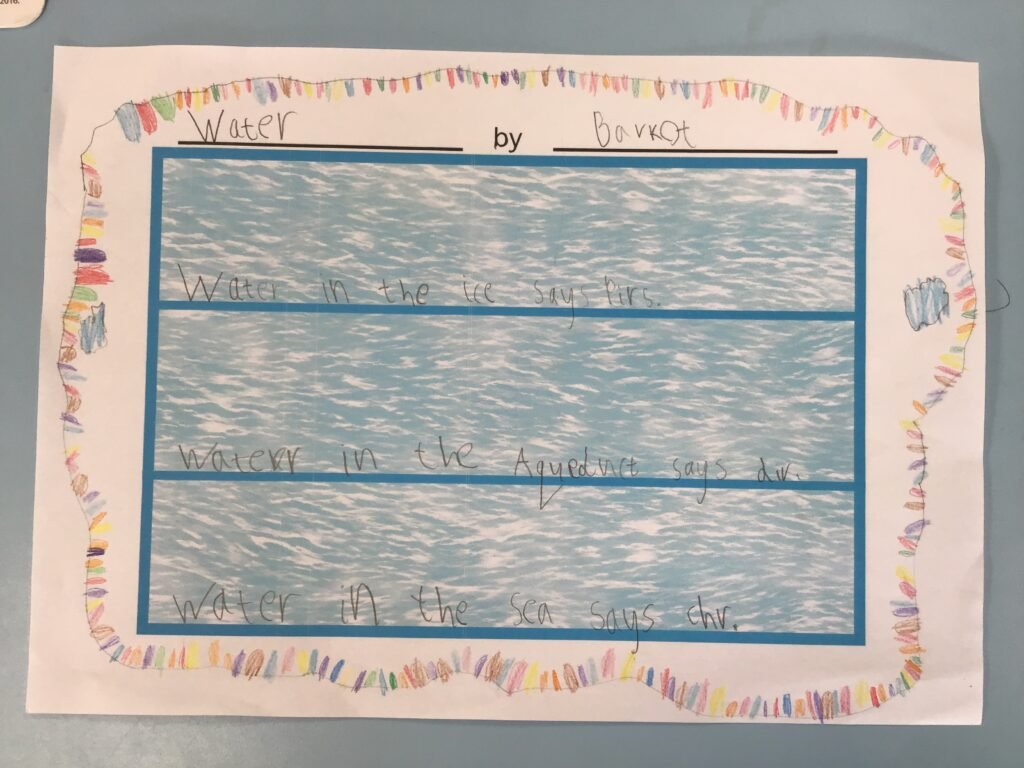
Using Tony Mitton’s poem as a model, the children created their own water poems. They thought carefully about powerful verbs and sound words to bring their writing to life. We were amazed by their creativity and the descriptive language they used.
Here are some of our poems:
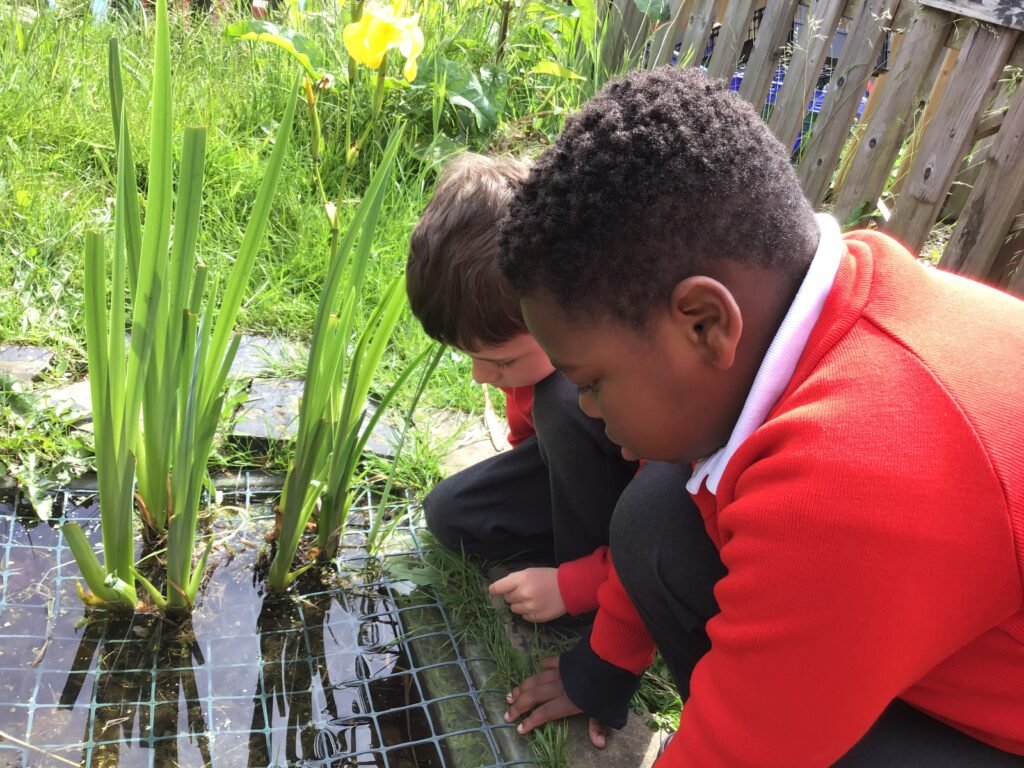
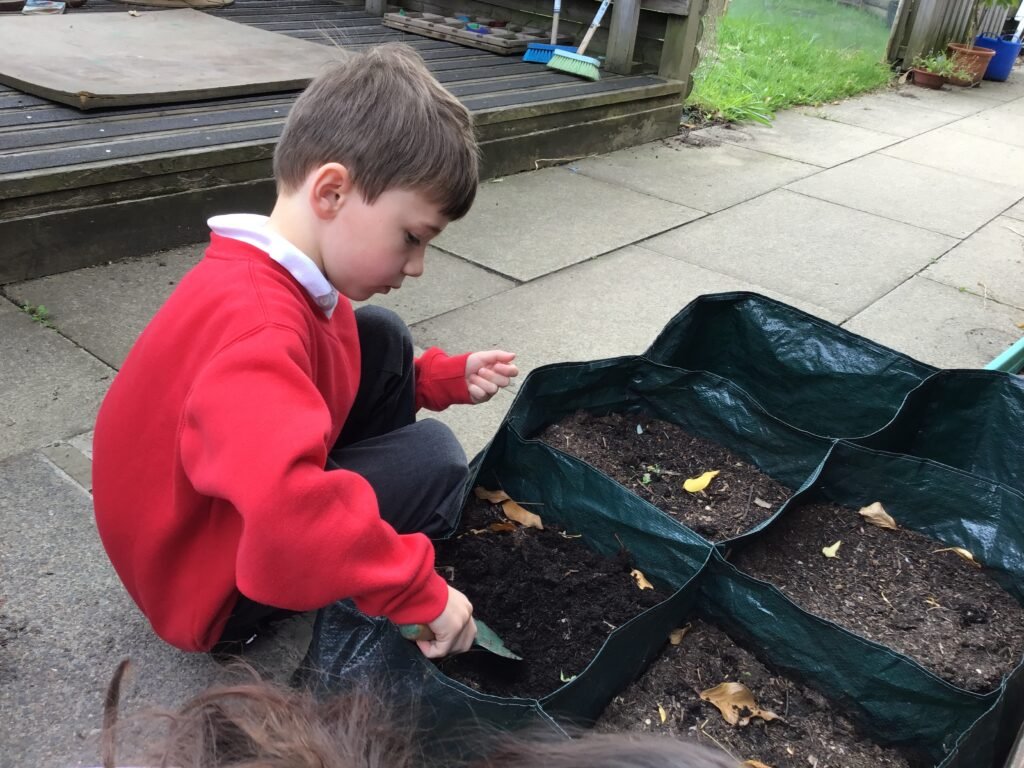
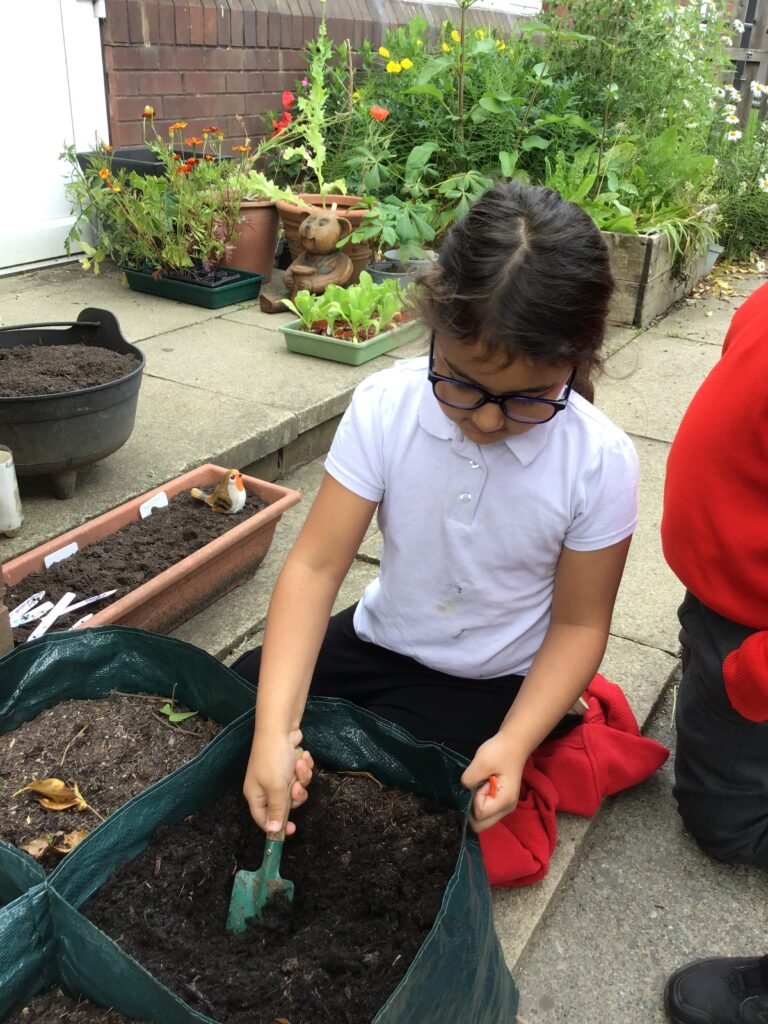
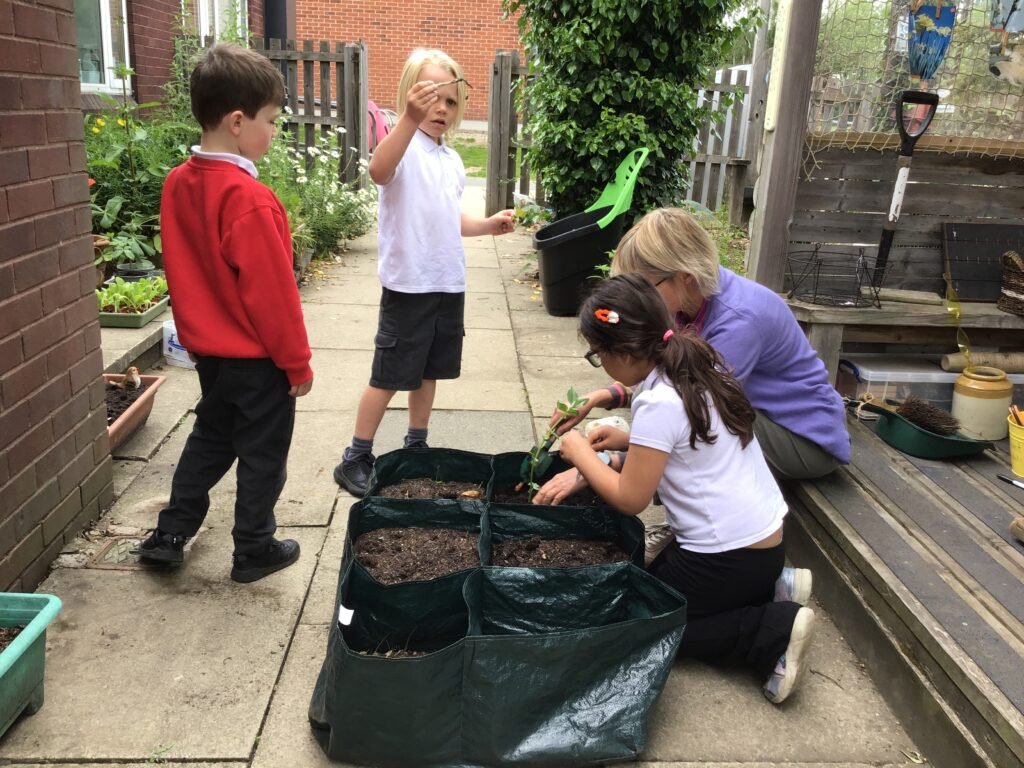
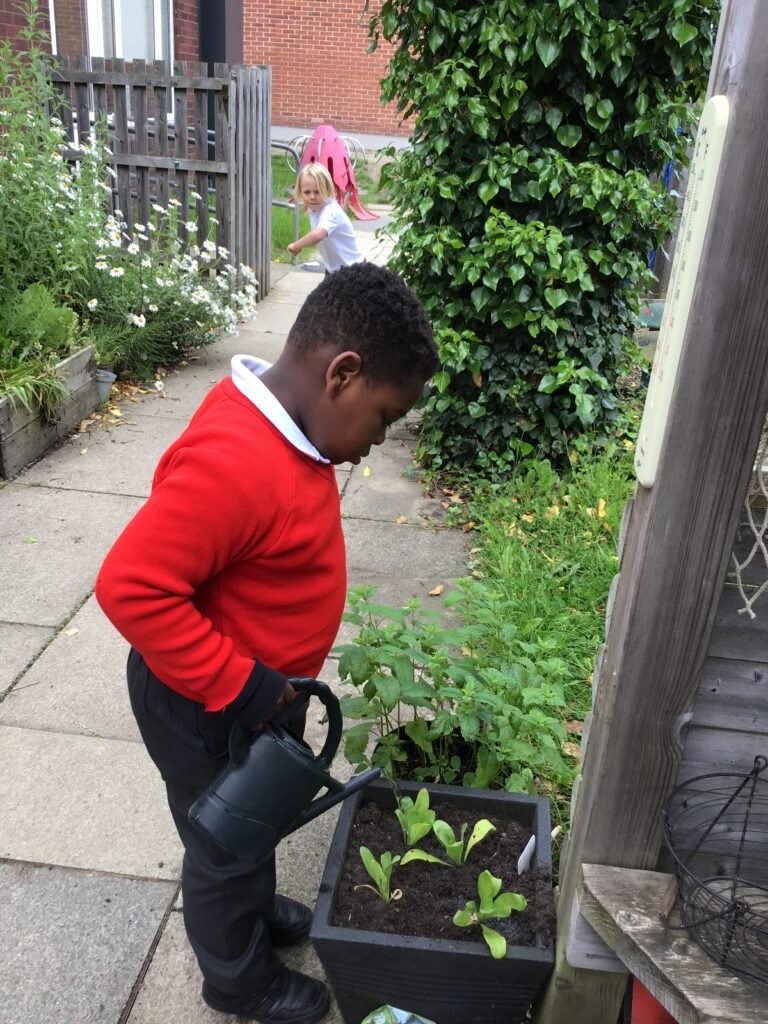
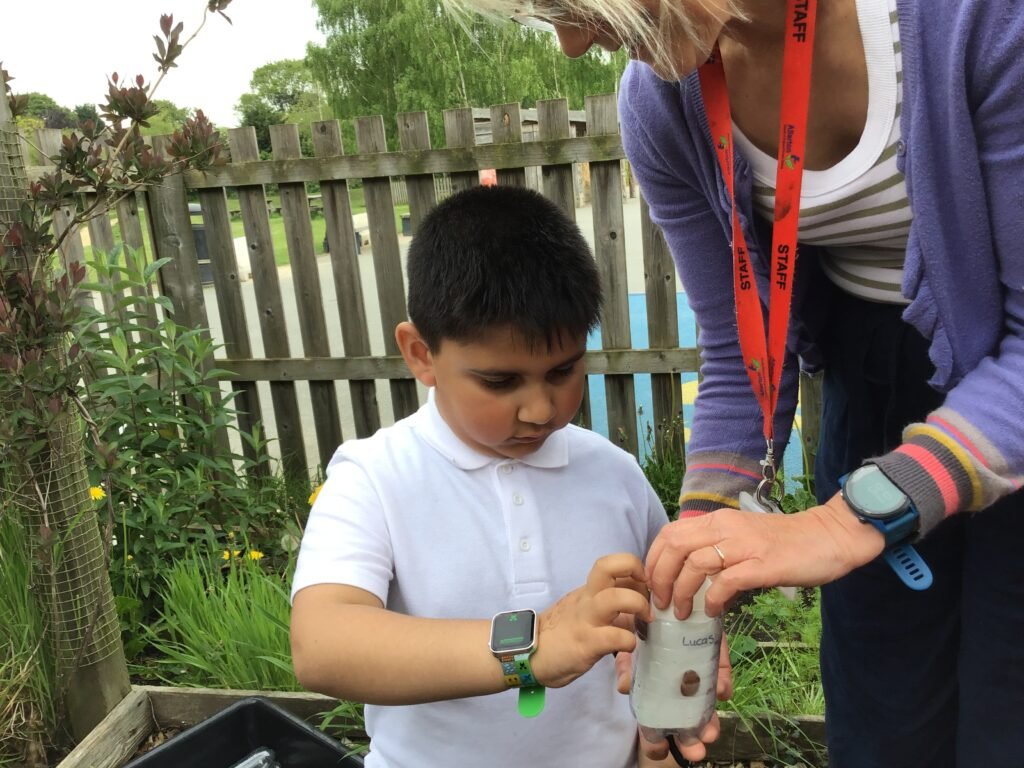
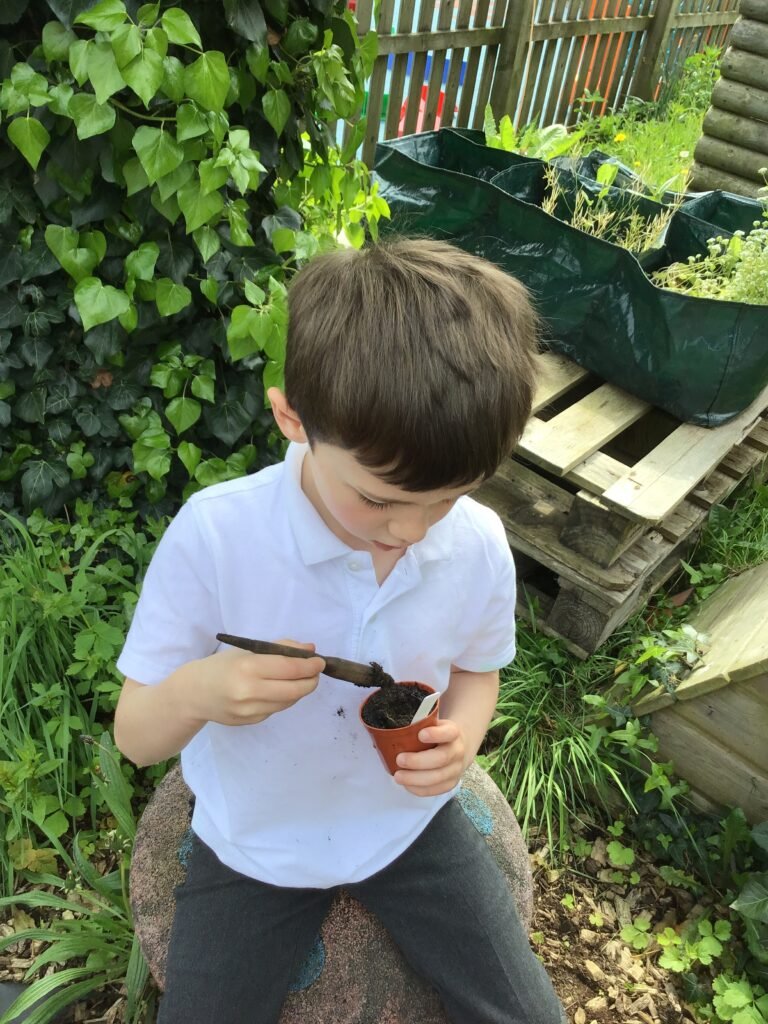
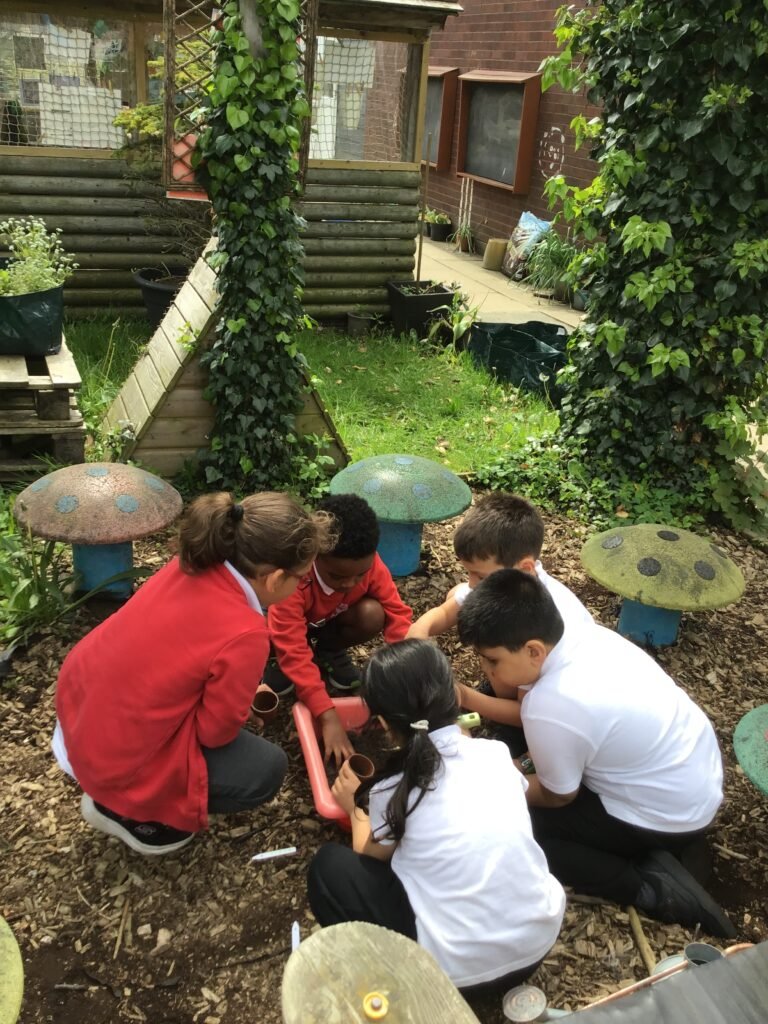
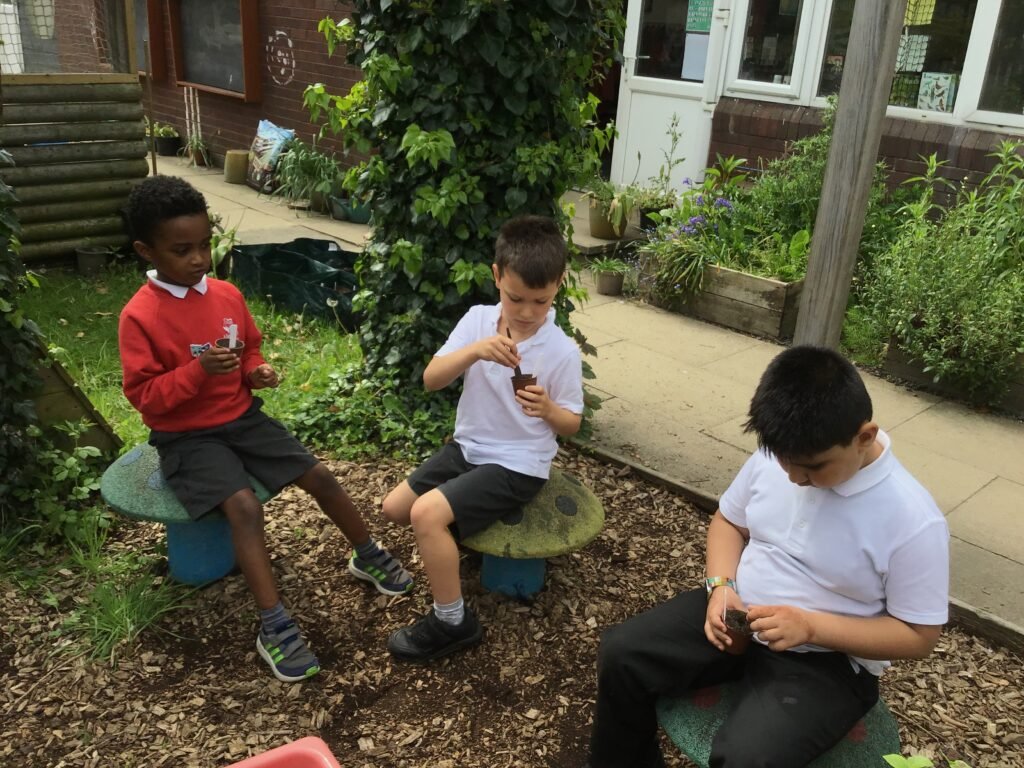
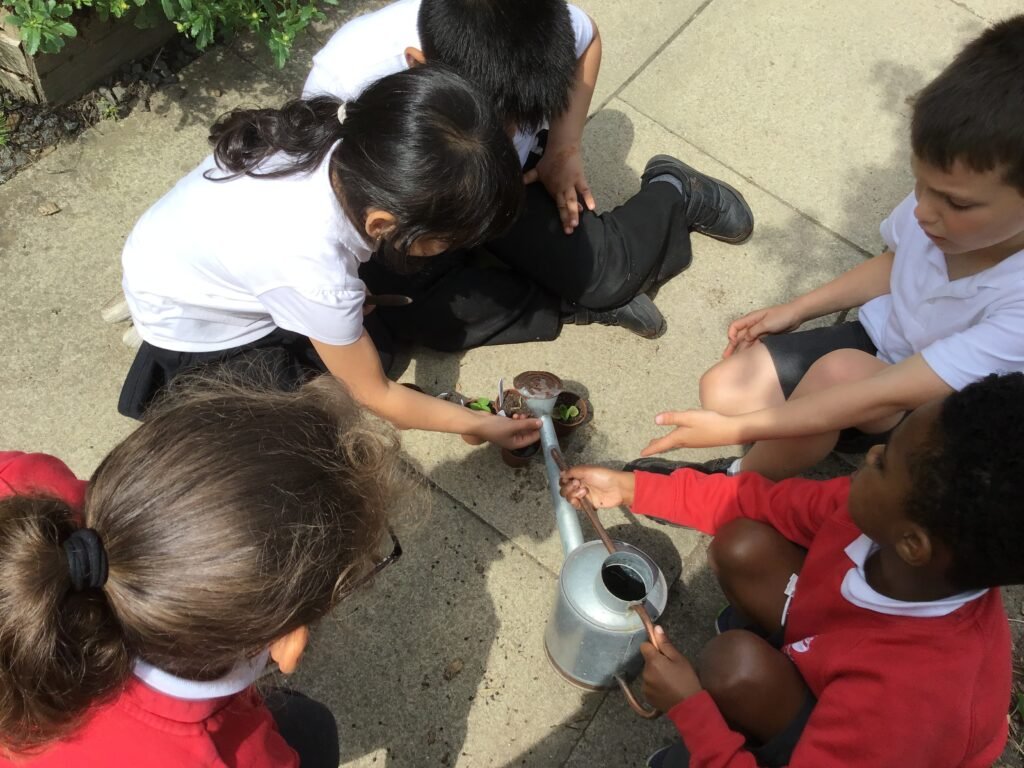
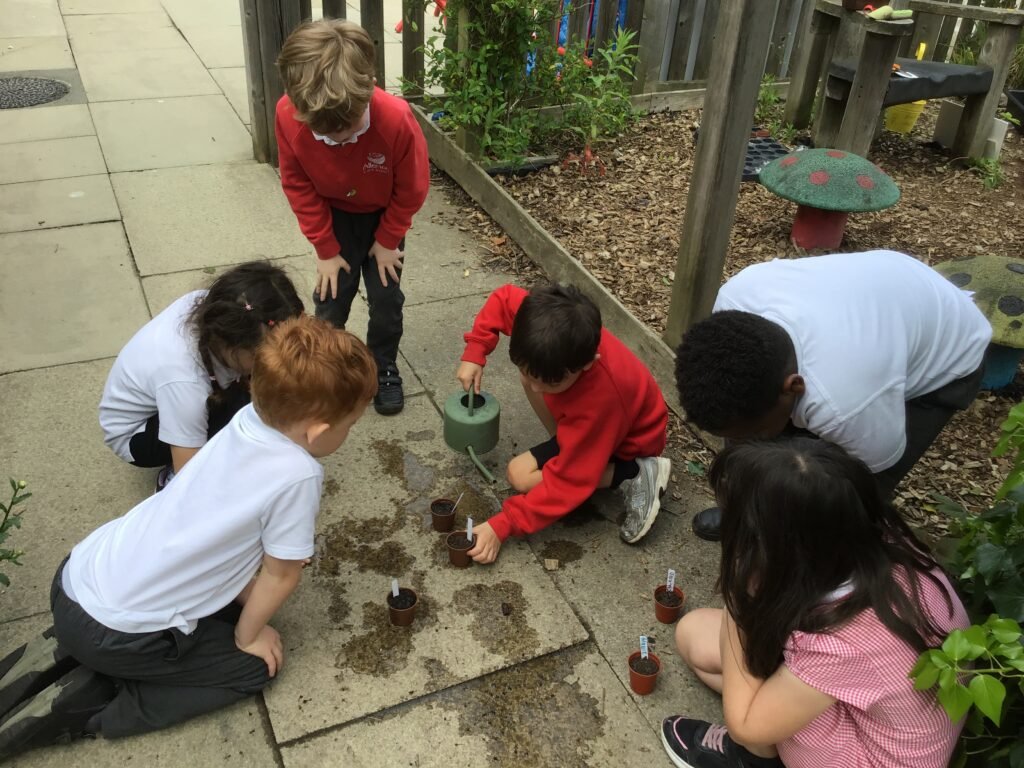
Today, Year 1 became gardeners as we planted out the broad beans we have been growing in class.
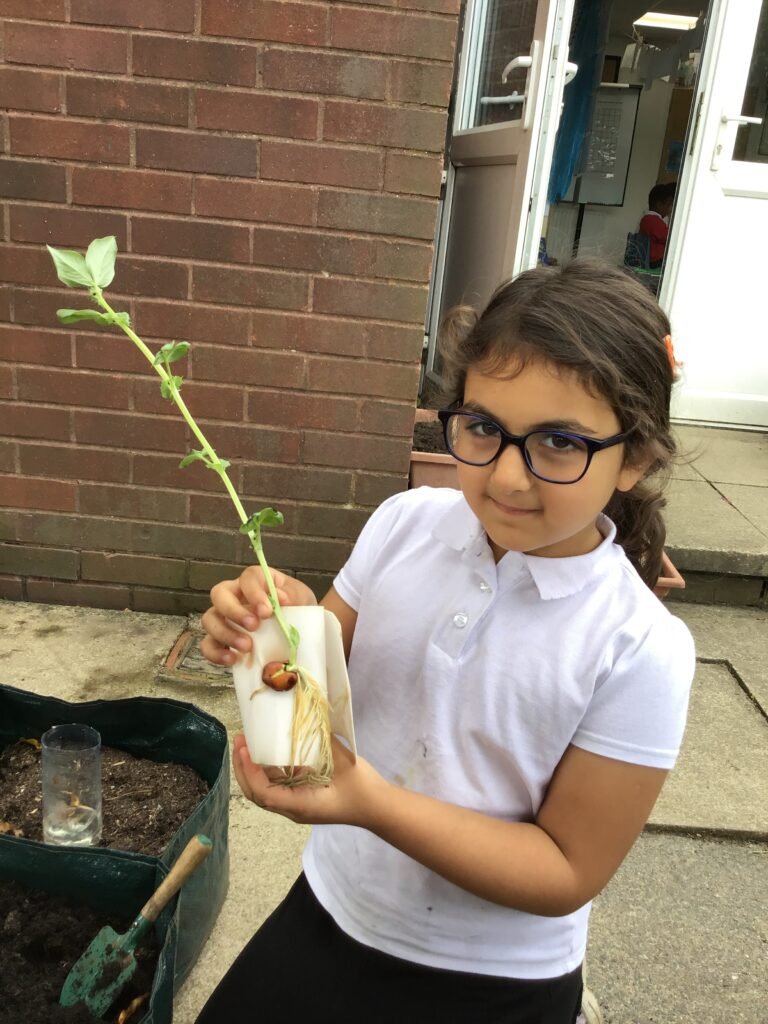
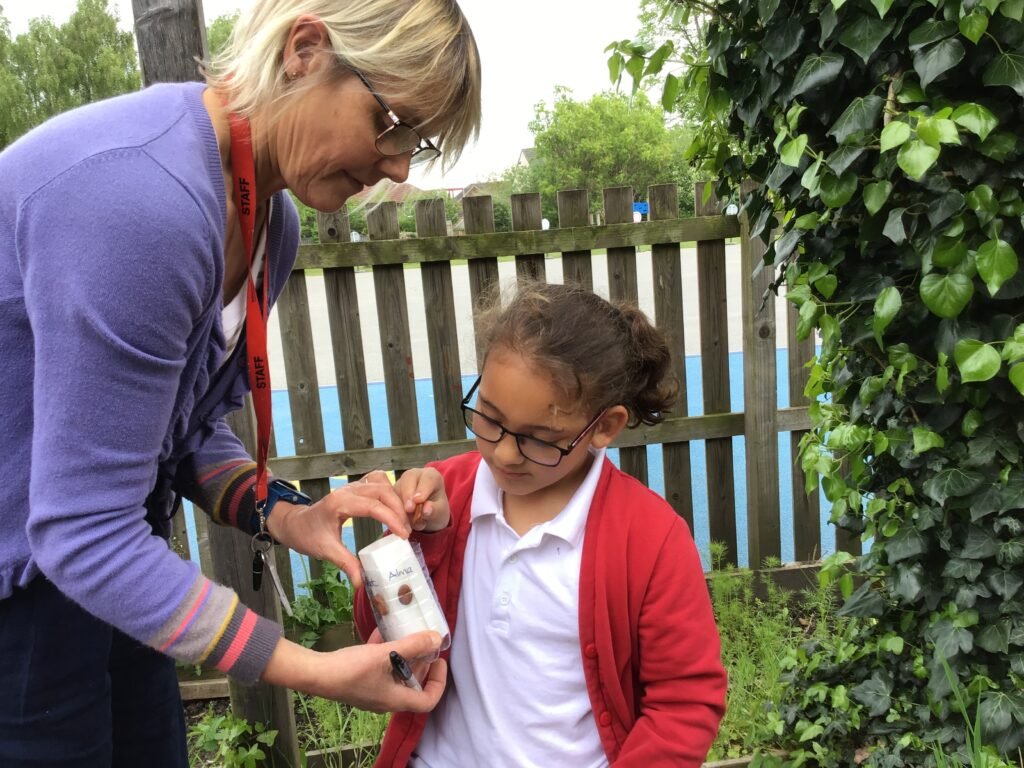
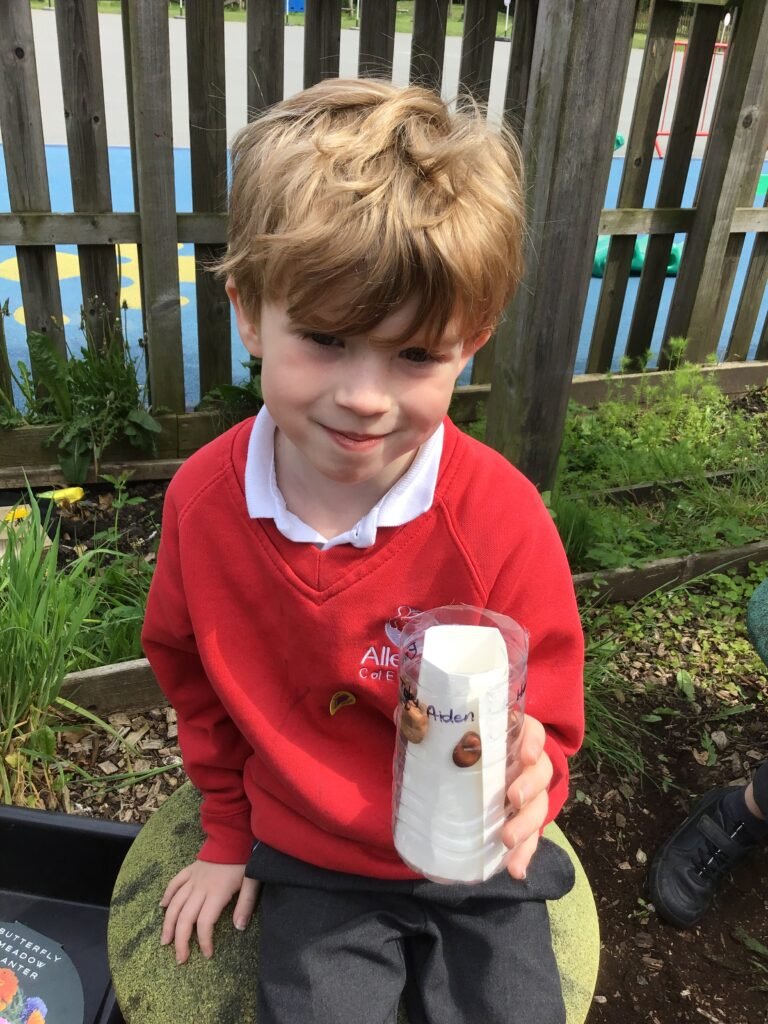
Over the past few weeks, we have been carefully observing our broad beans grow inside bottles lined with blotting paper. This allowed us to see the seeds germinate and watch the roots and shoots develop. We enjoyed checking on them each day and recording the changes we noticed.
Today was an exciting day because our broad bean plants were ready to move into soil. We carefully removed the plants from their bottles and planted them in the garden.
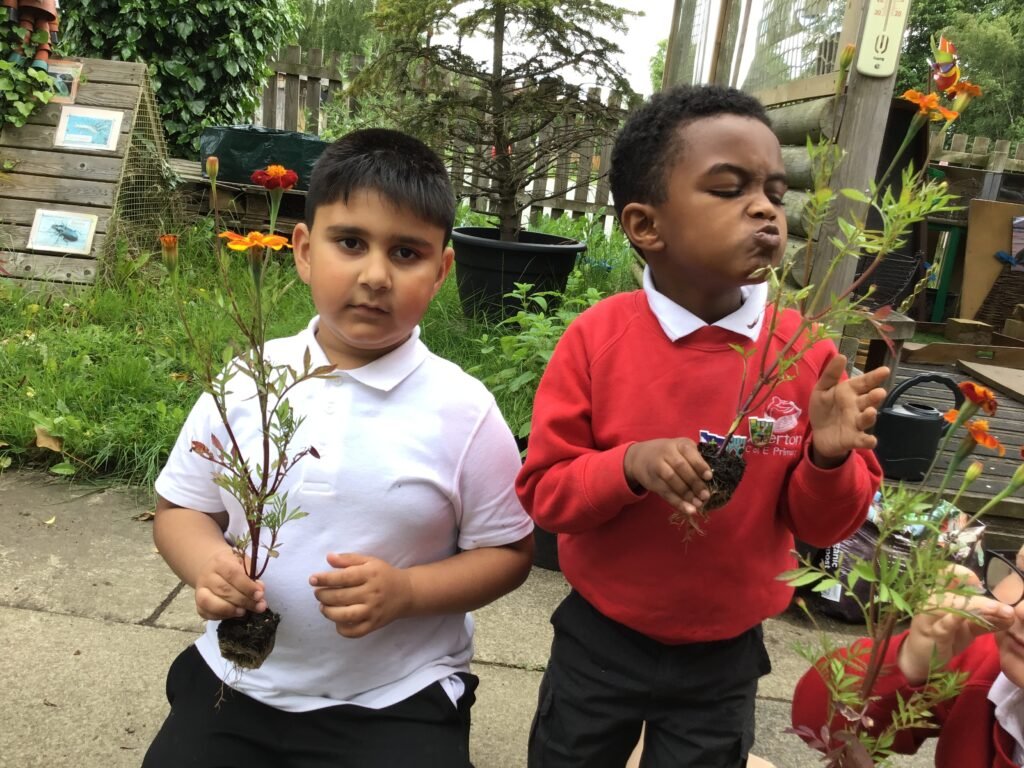
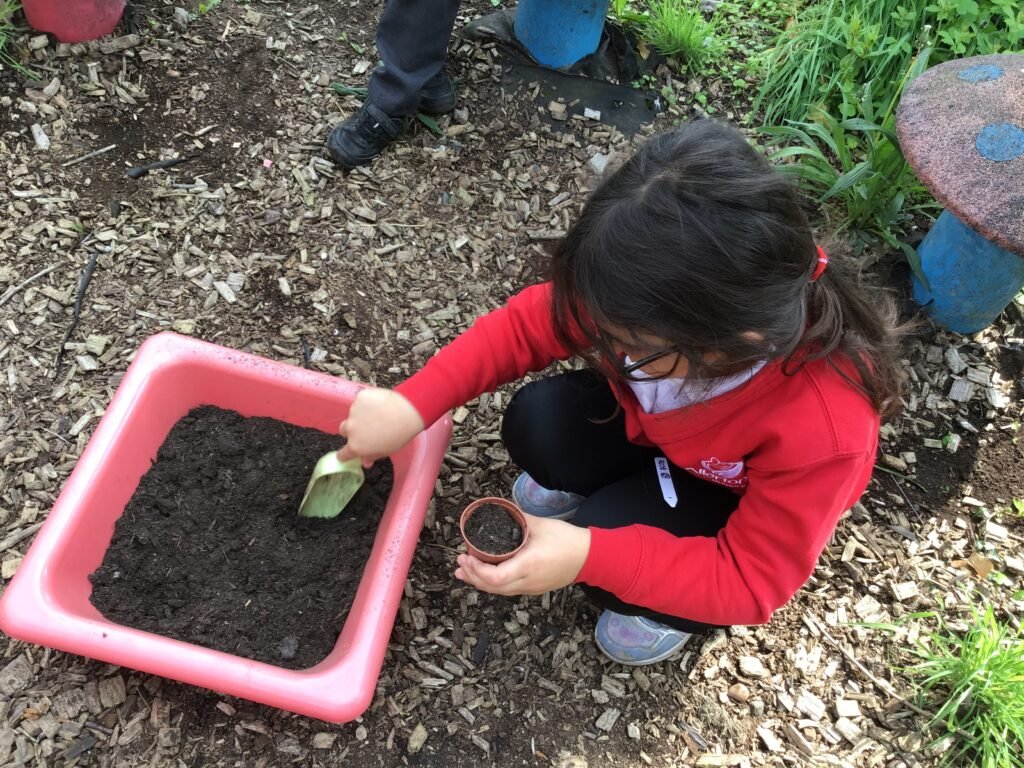
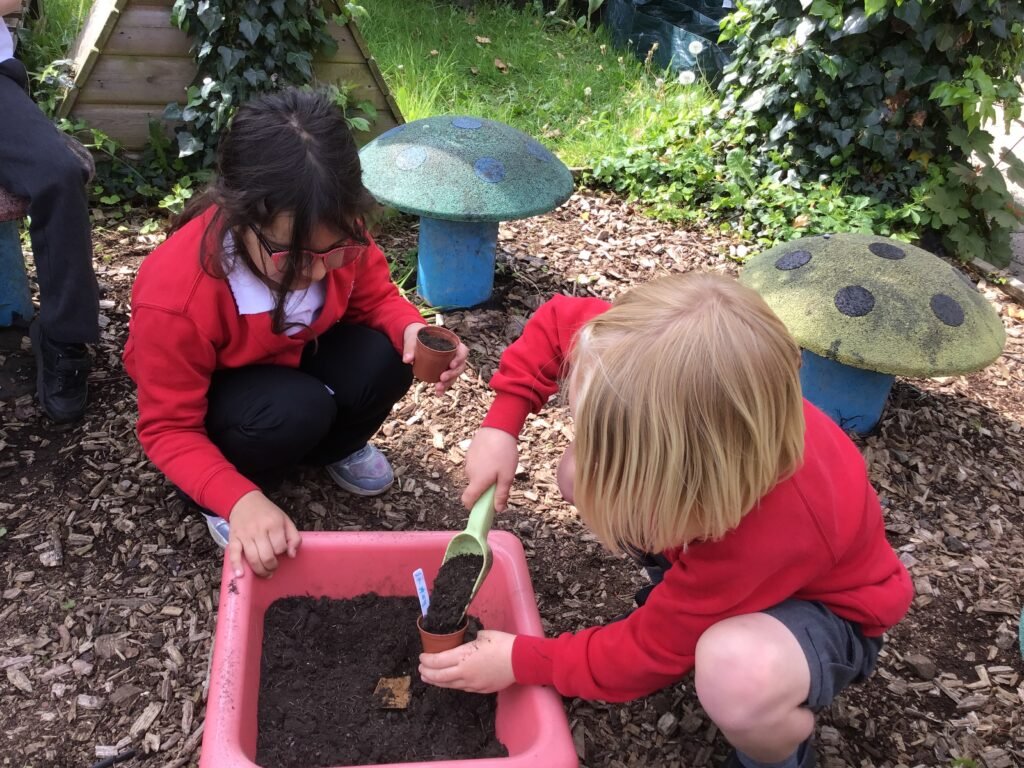
We also planted up some pots outside the classroom door to ensure we have plenty of wild life!
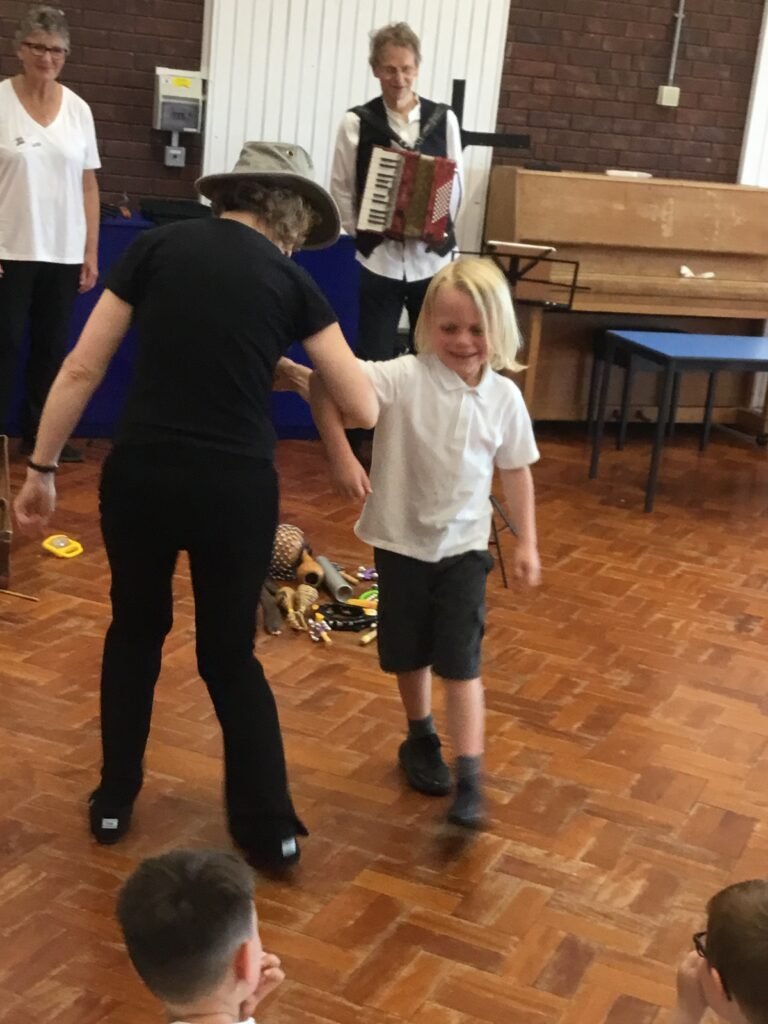
Also Happy Birthday to Adrian! We hope you enjoyed us singing to you this morning!
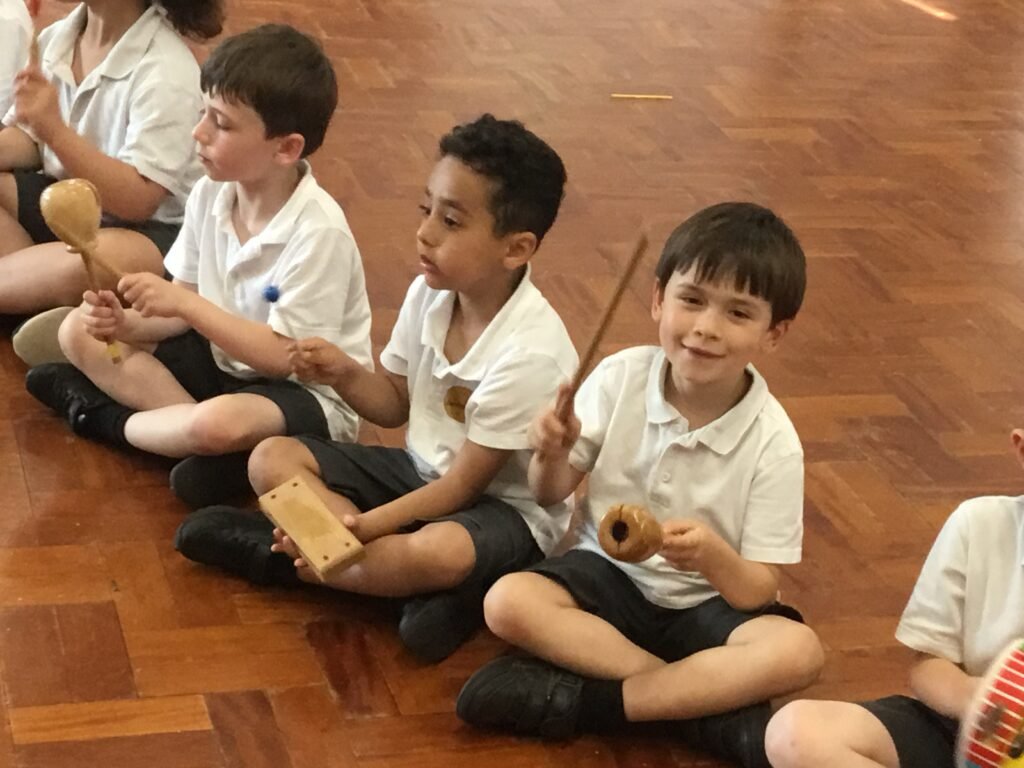
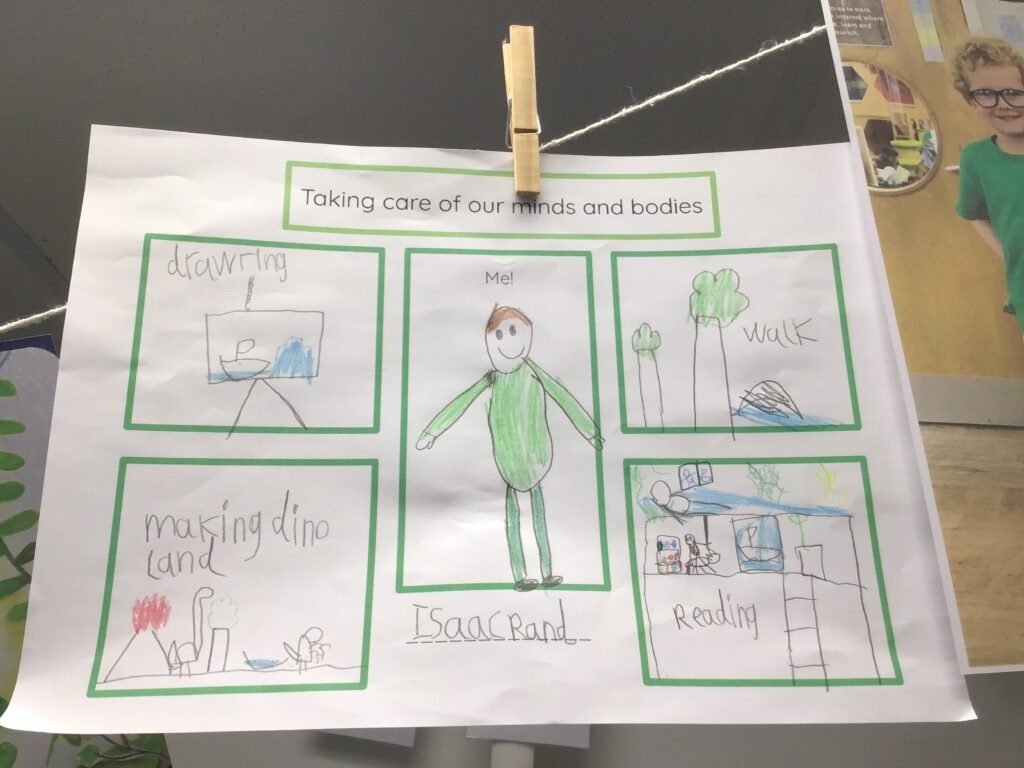
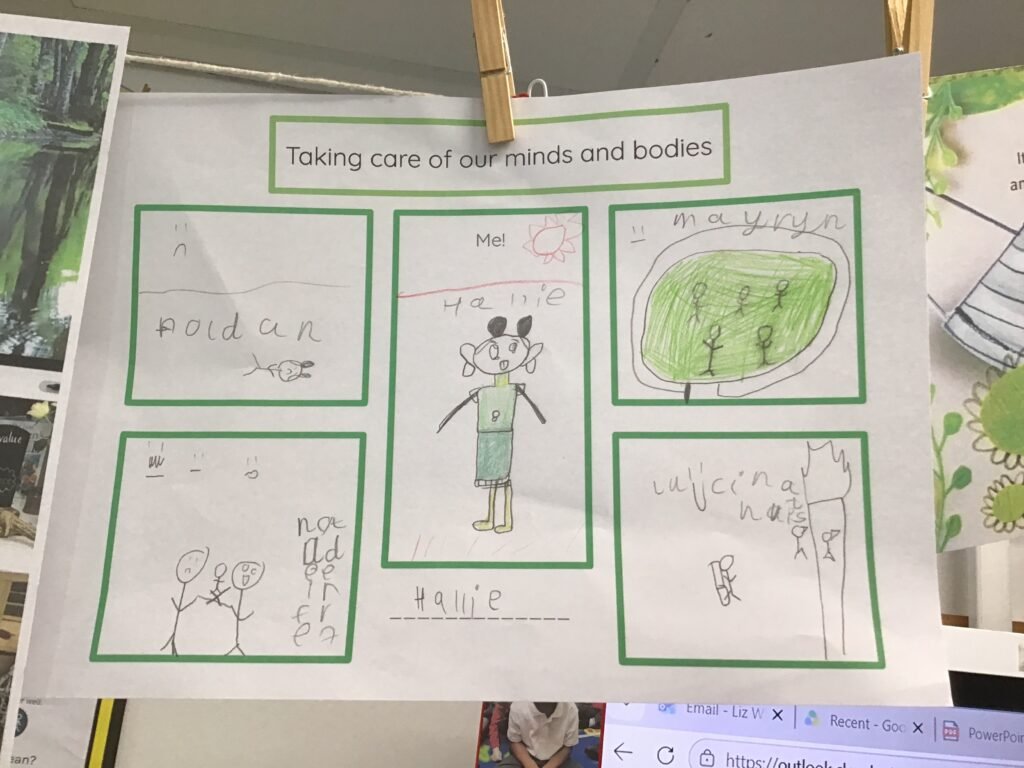
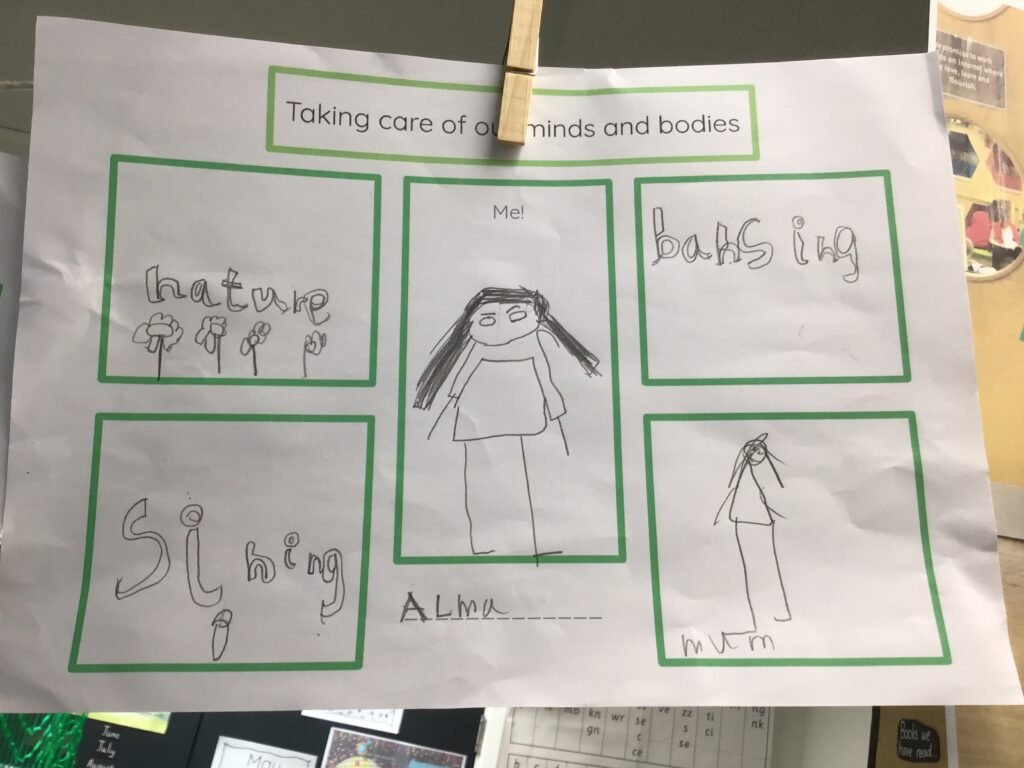
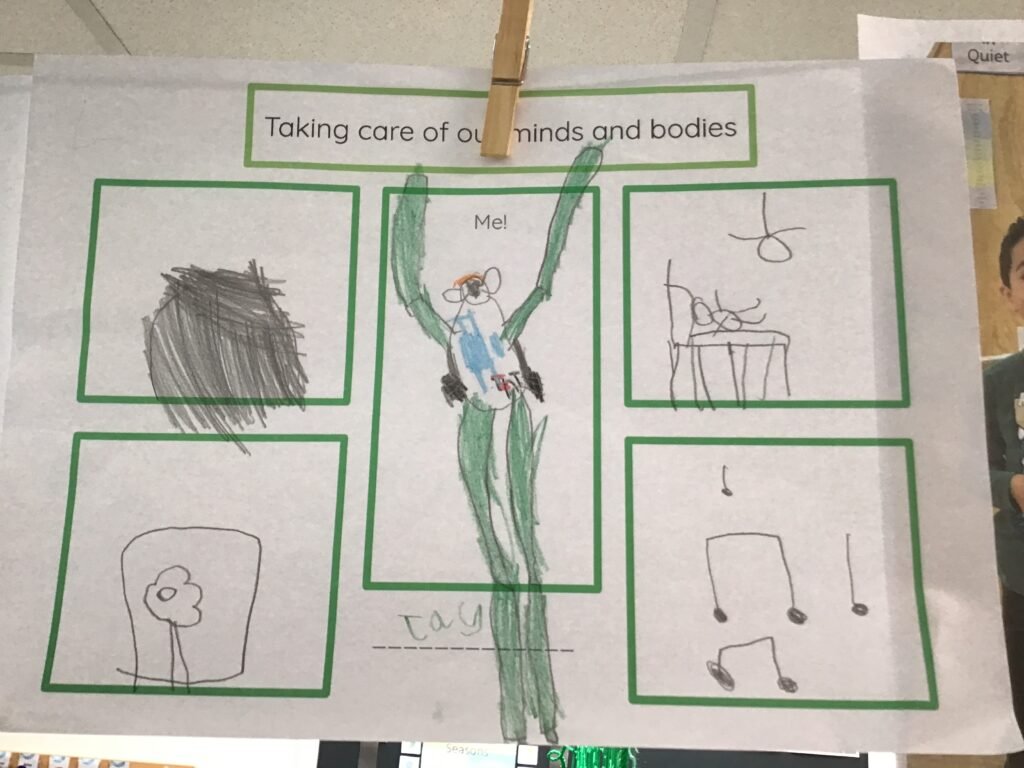
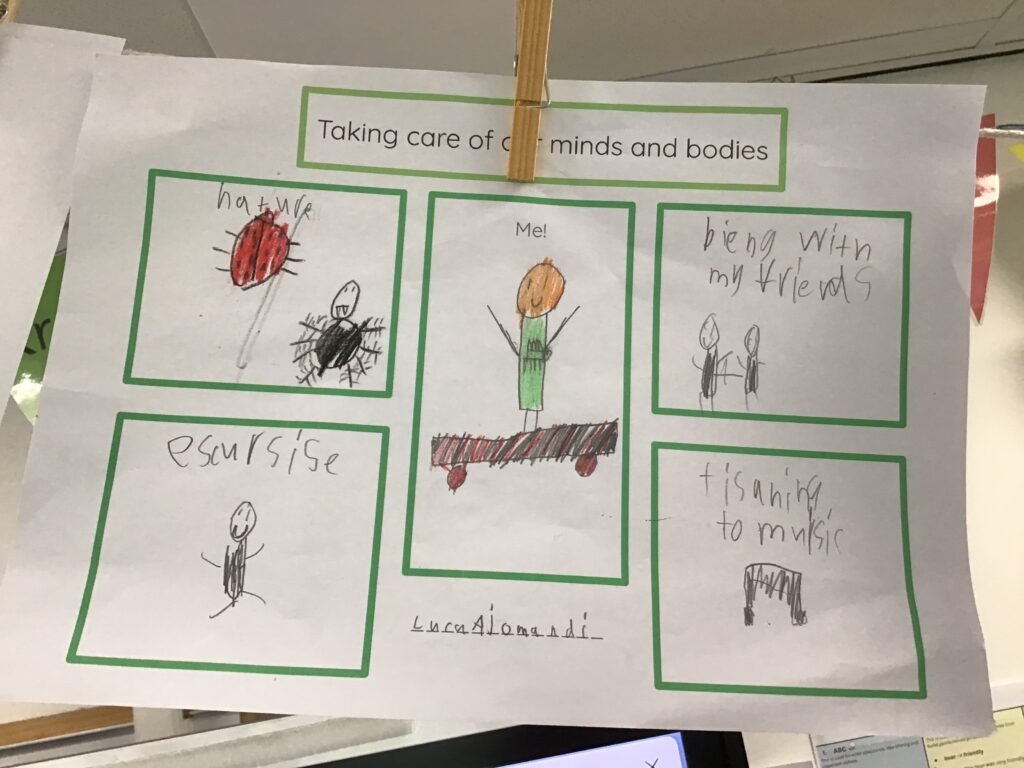
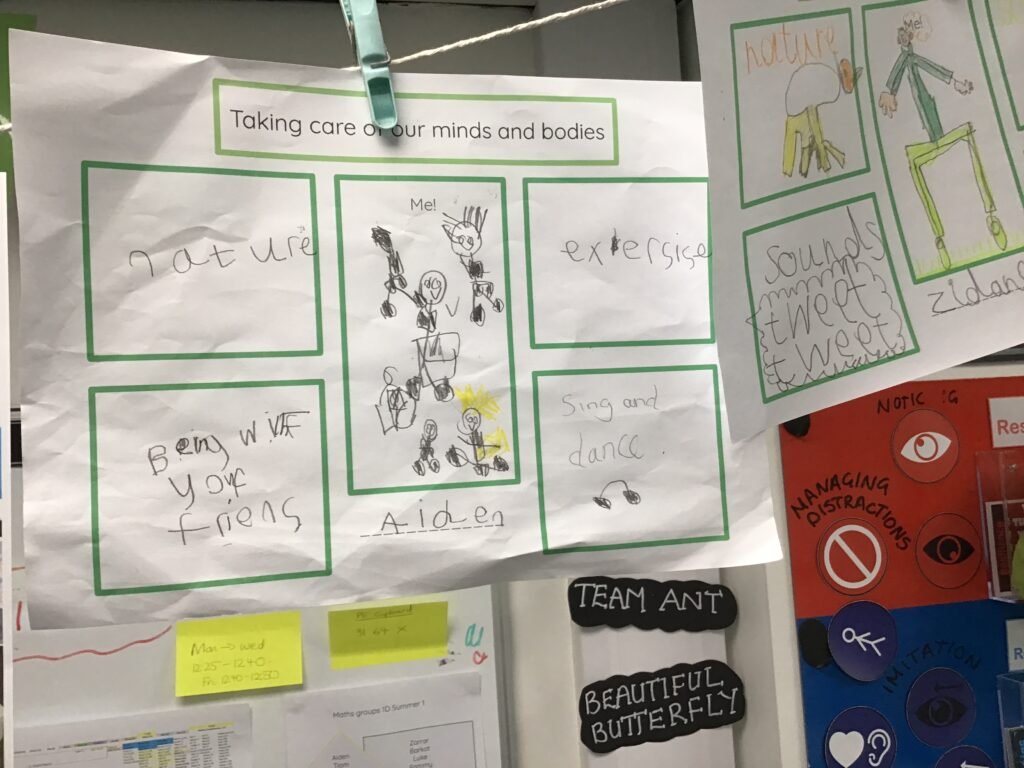
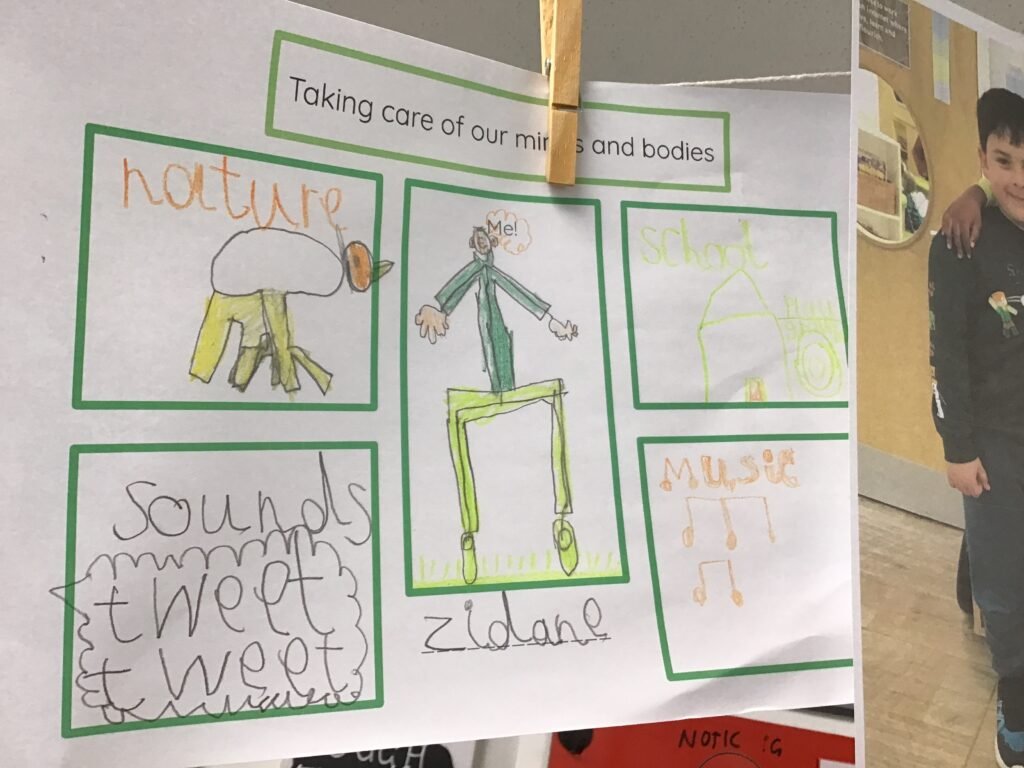
This week, 1D have been learning all about Mental Health Week and how important it is to take care of both our minds and our bodies.
We talked about the different things that help us to feel happy, calm, and healthy. The children shared lots of wonderful ideas such as spending time with family and friends, playing outside, getting enough sleep, eating healthy foods, and talking to someone when we feel worried or upset.
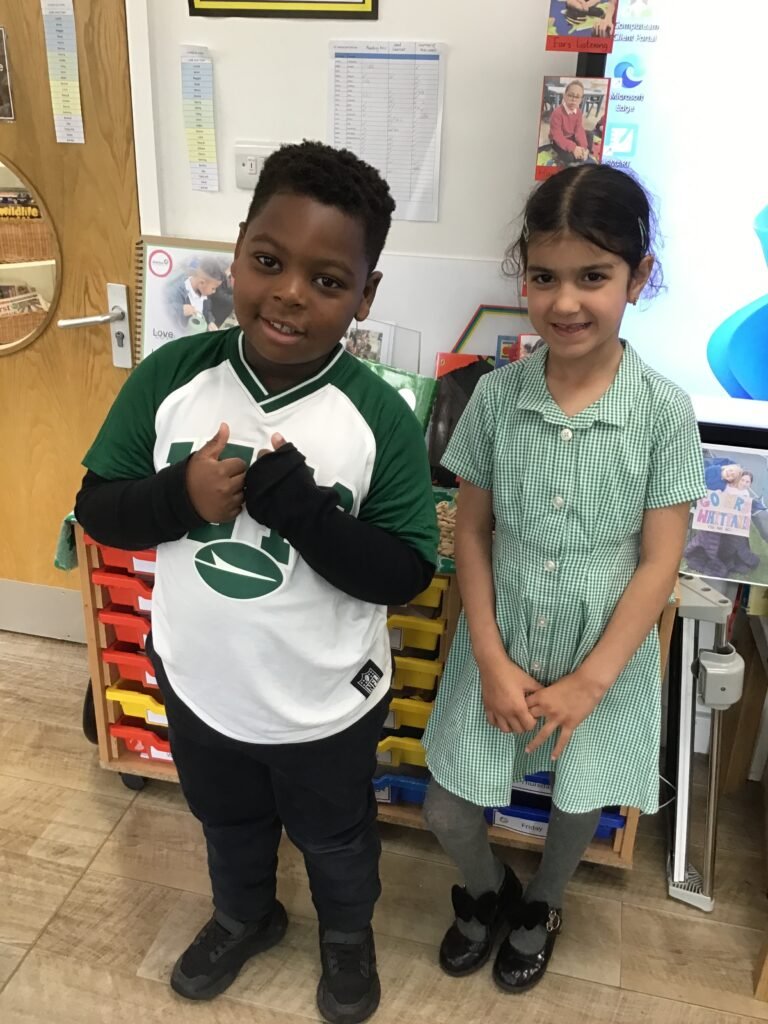
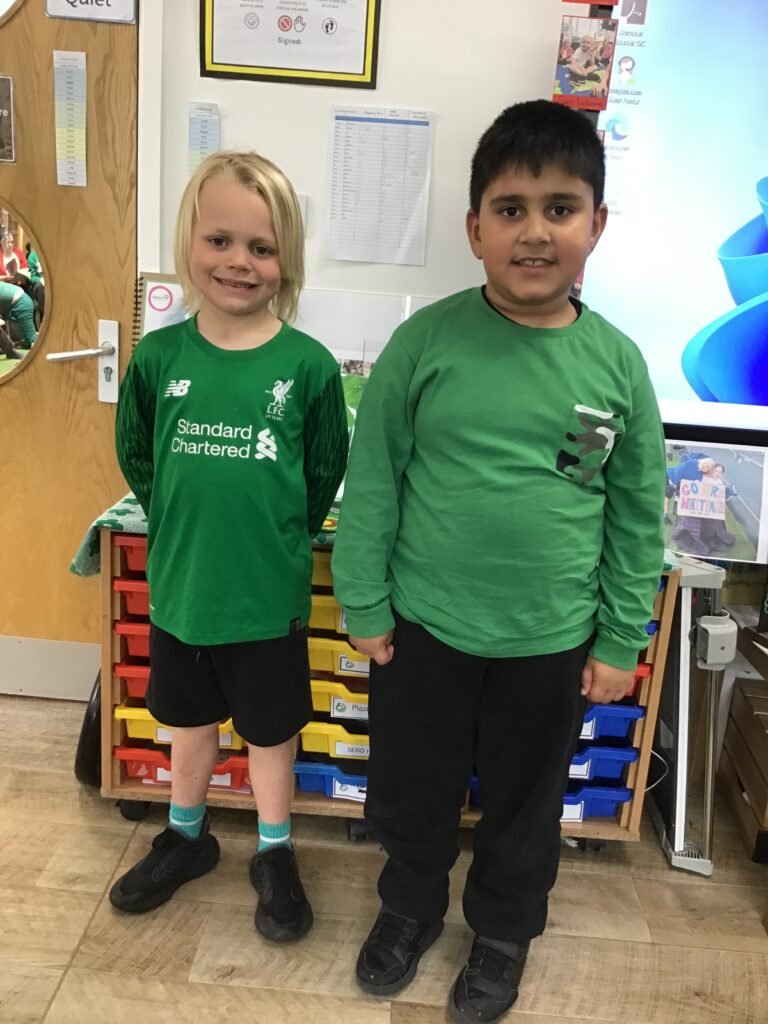
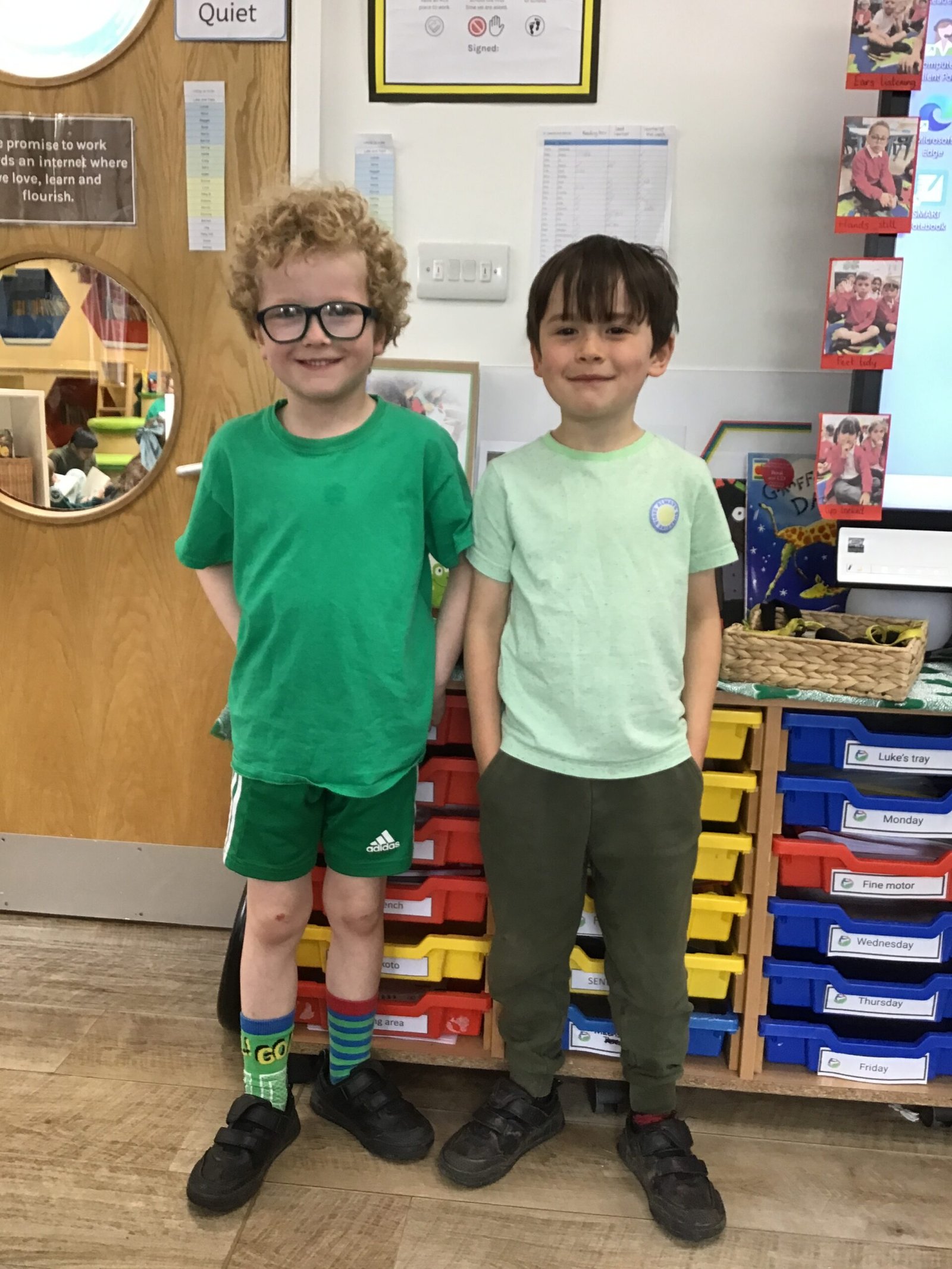
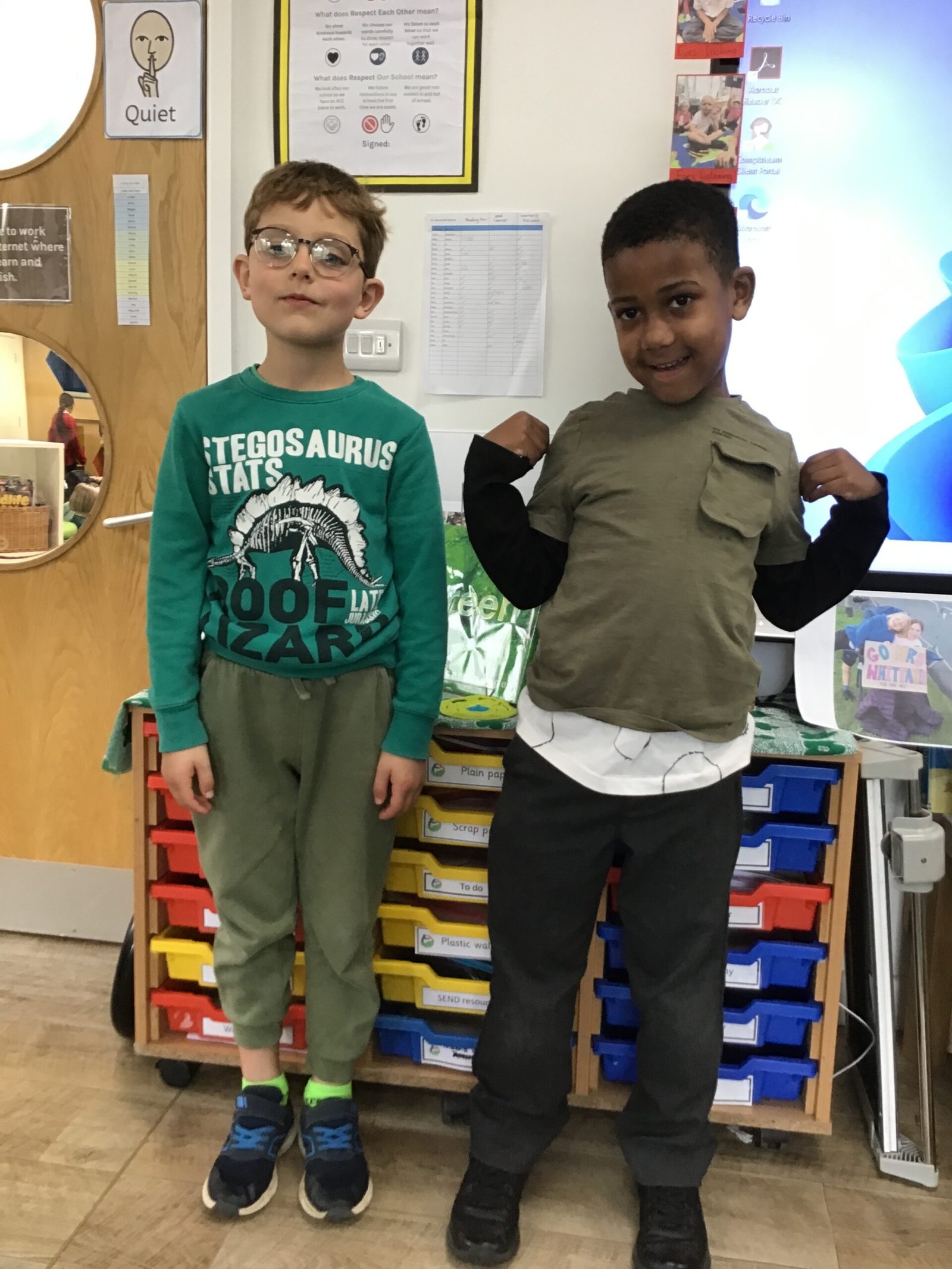
We celebrated Wear Green Day, and the children looked fantastic dressed in green to show their support for Mental Health Week.
We read stories about feelings and emotions, helping us to understand that all feelings are important and that it is okay to ask for help when we need it.
Taking care of our mental health is something we can practise every day, and Year 1 have learned lots of simple ways to keep their minds and bodies healthy and strong.
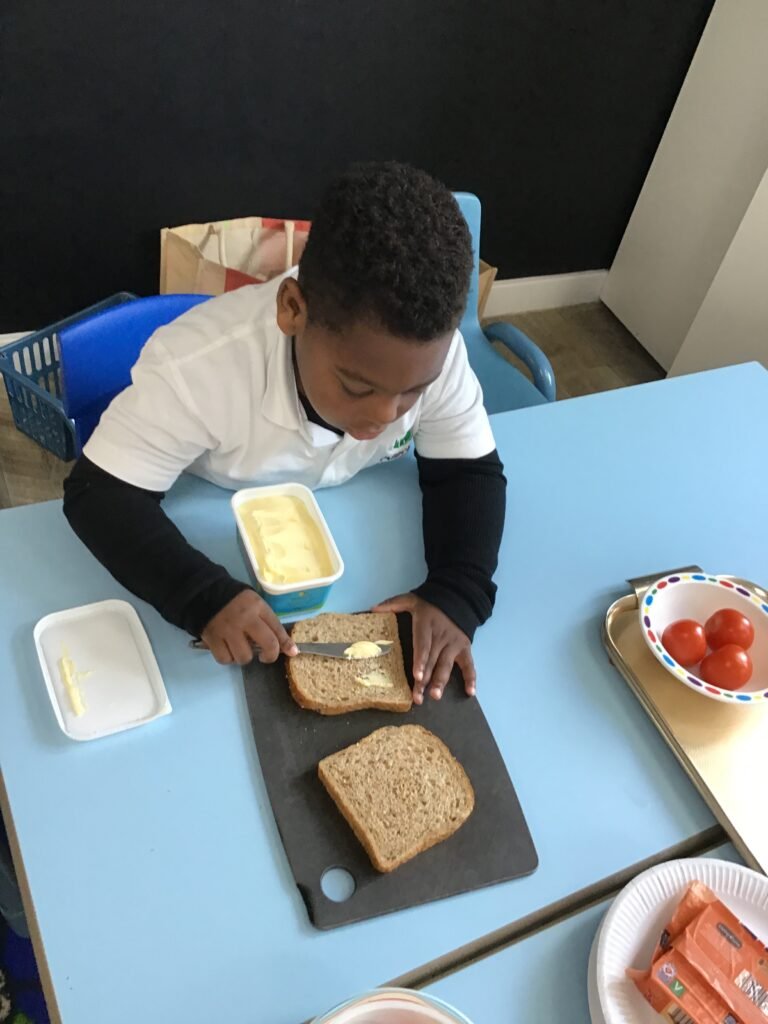
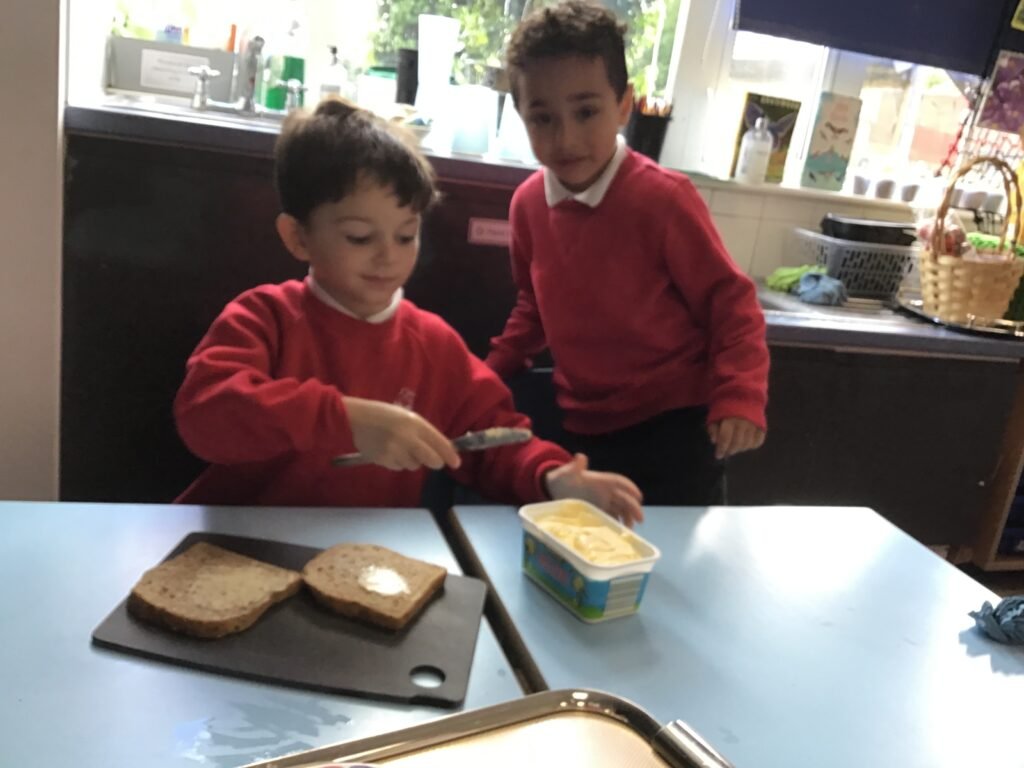
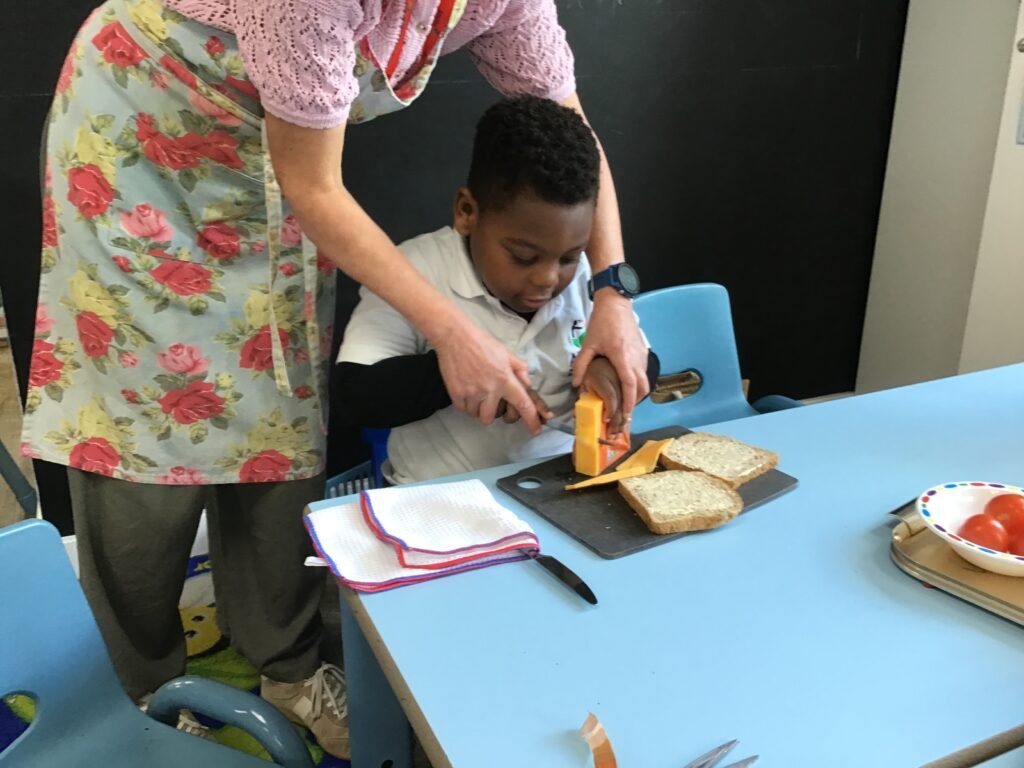
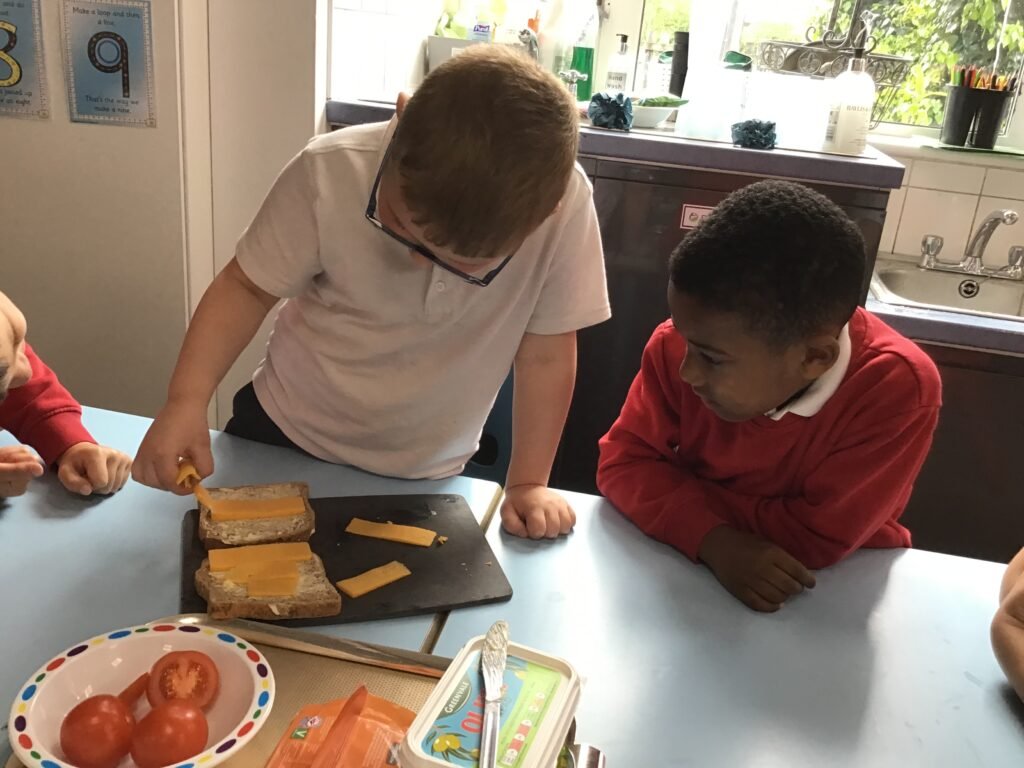
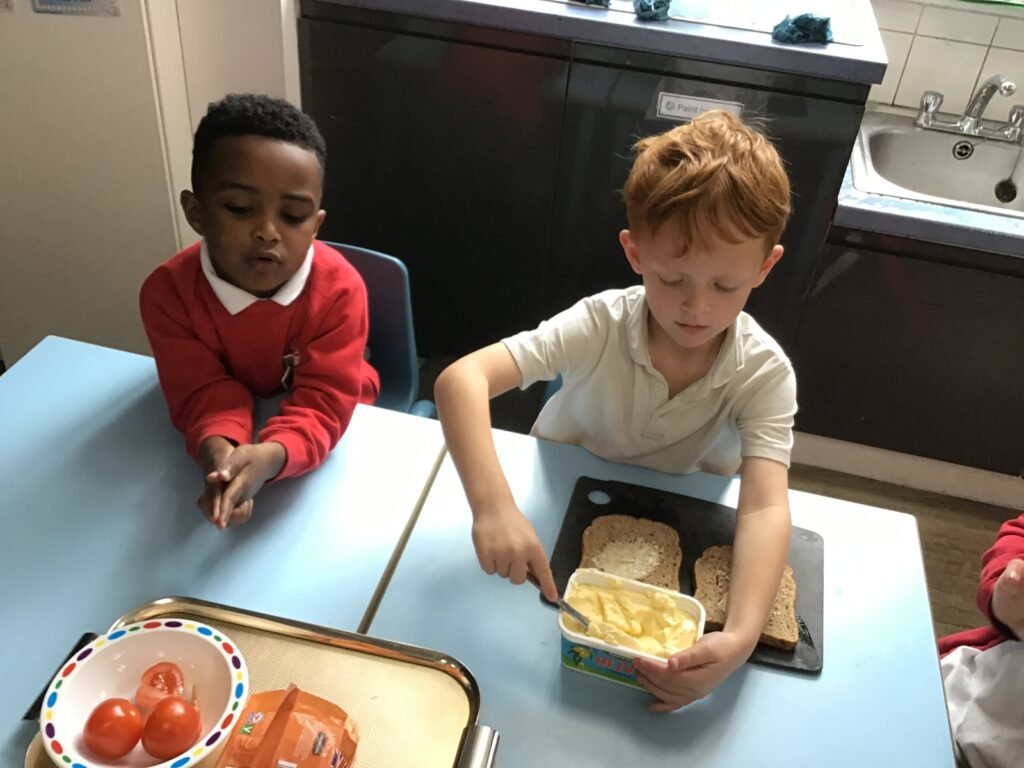
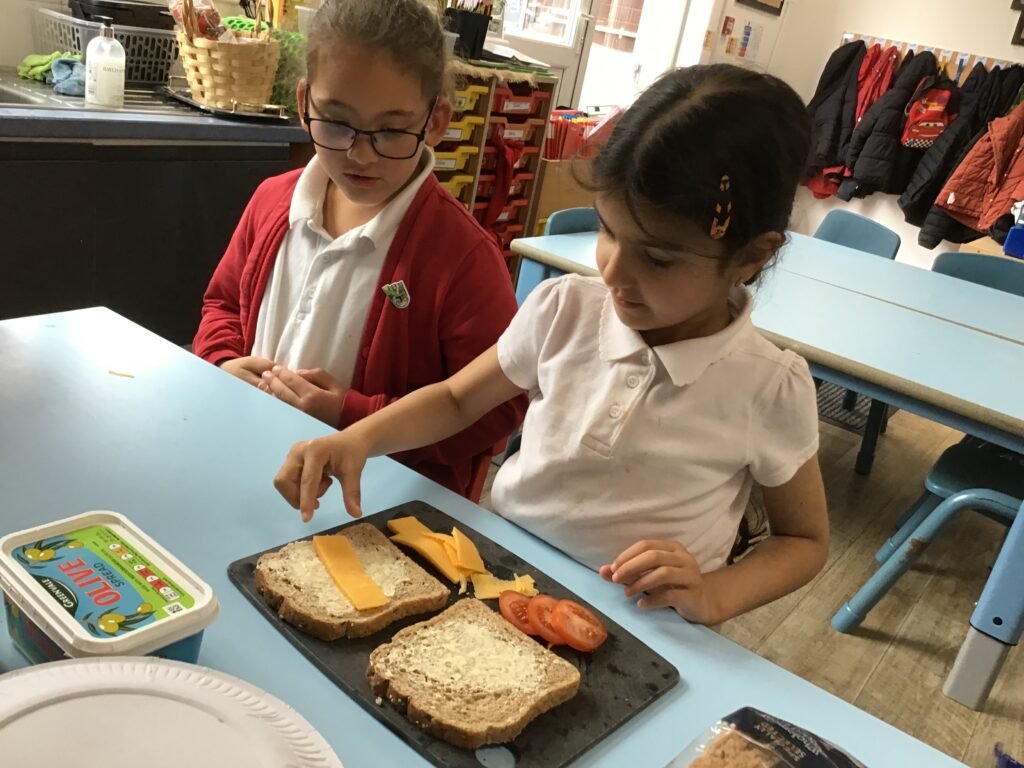
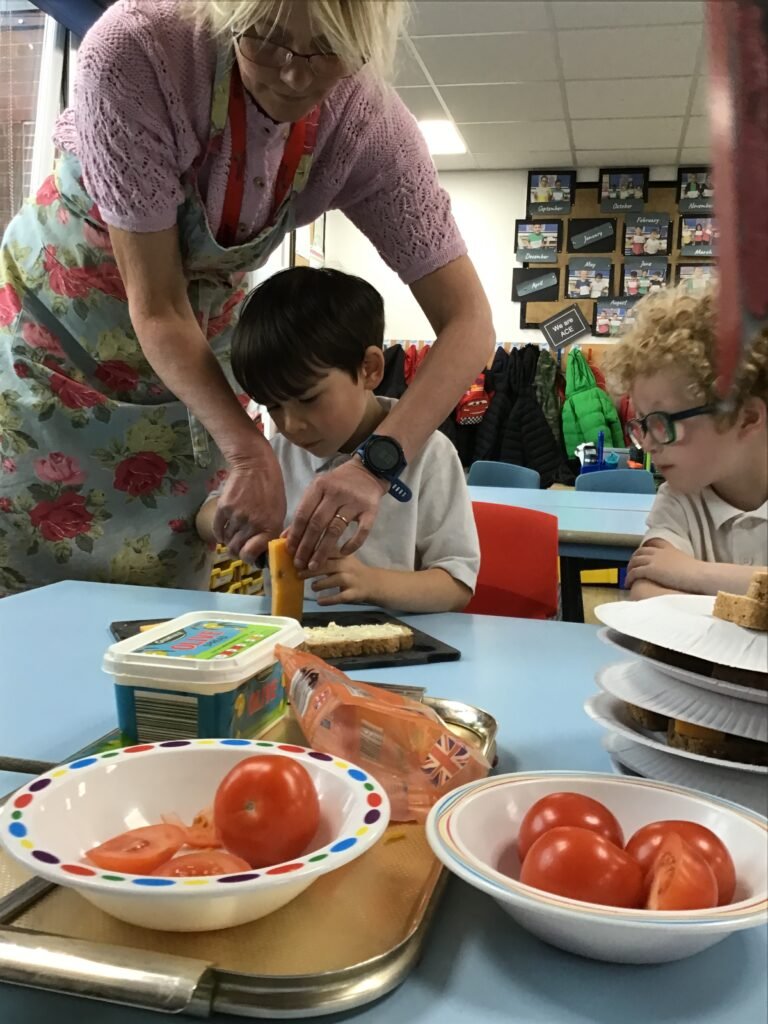
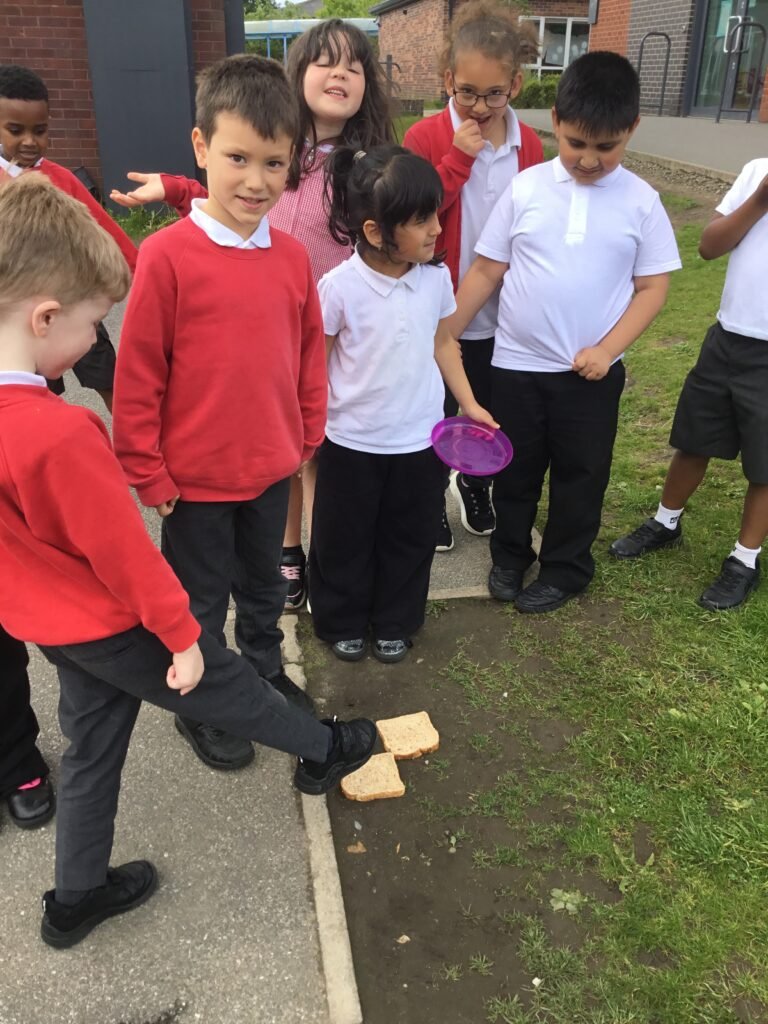
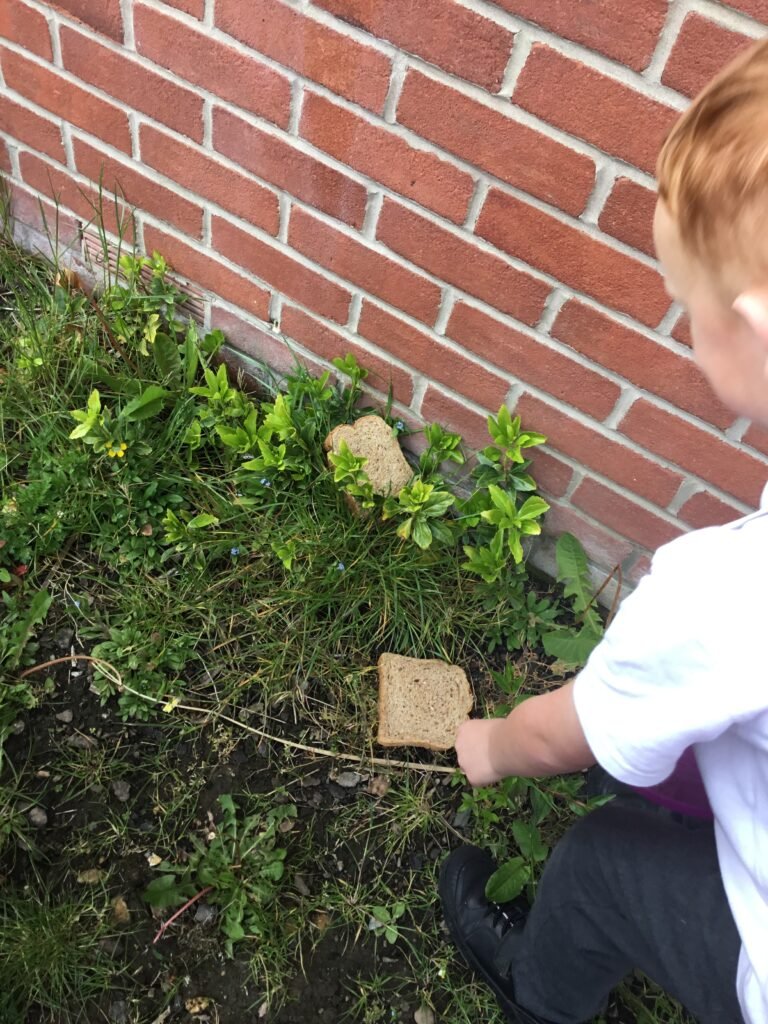
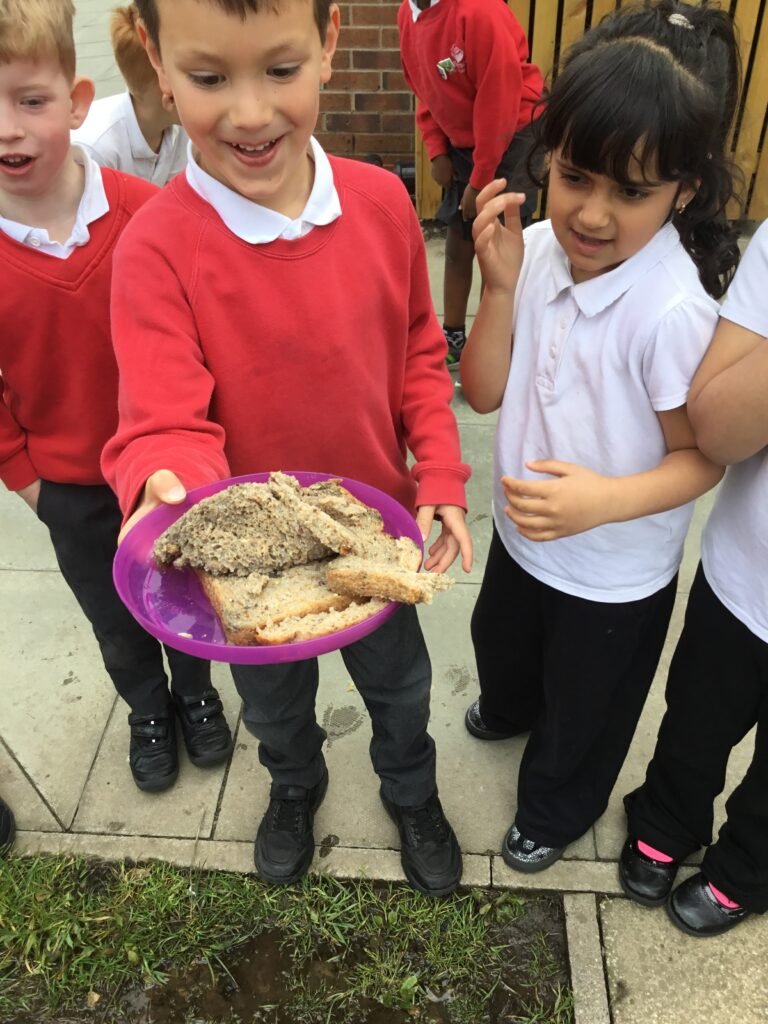
We finished our theme of the disgusting sandwich this week by first making a very tasty cheese sandwich and then a very disgusting sandwich!
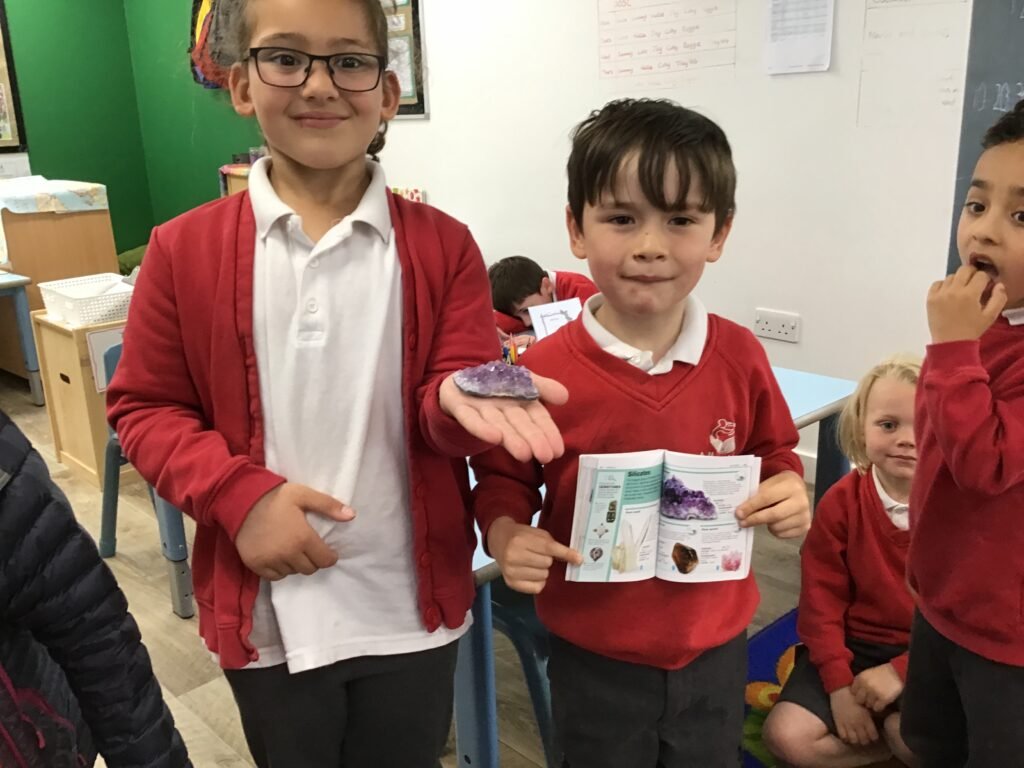
Show and Tell this week was fun, especially seeing half marathon and marathon medals in the show and tell box! We had plenty to talk about! Isaac brought in a book about rocks and gems and Maria brought in a piece of Amethyst. So the book came in very handy as we could identify it straight away! Keep bringing in items from home that you would love to share with us on Mondays.
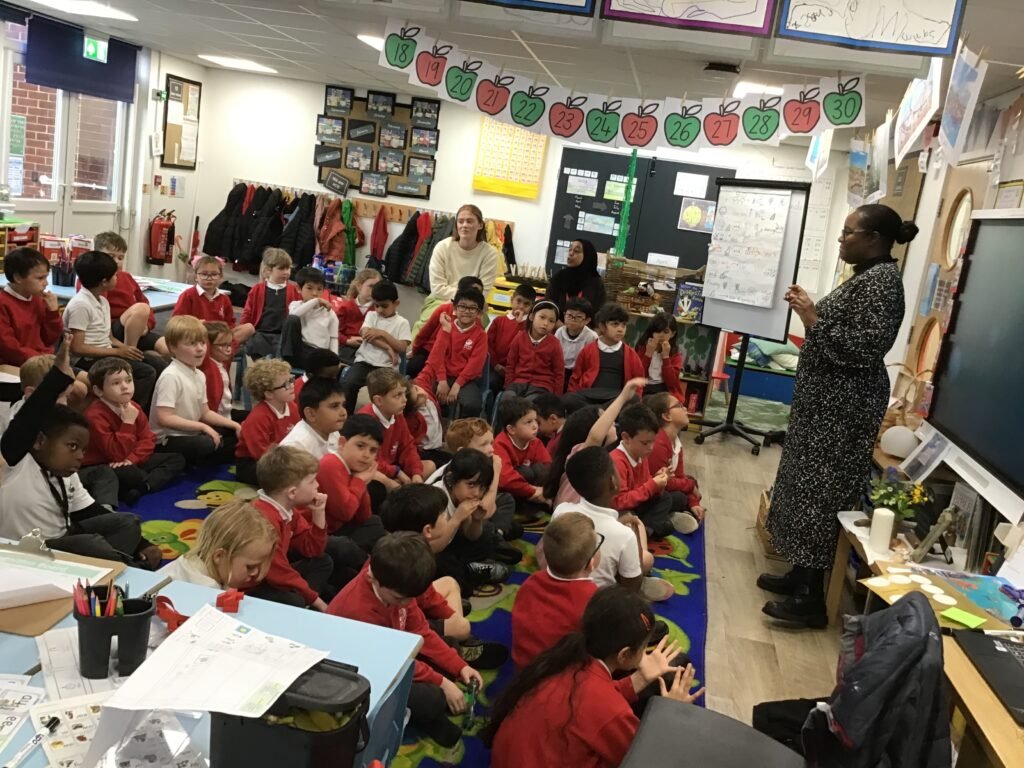
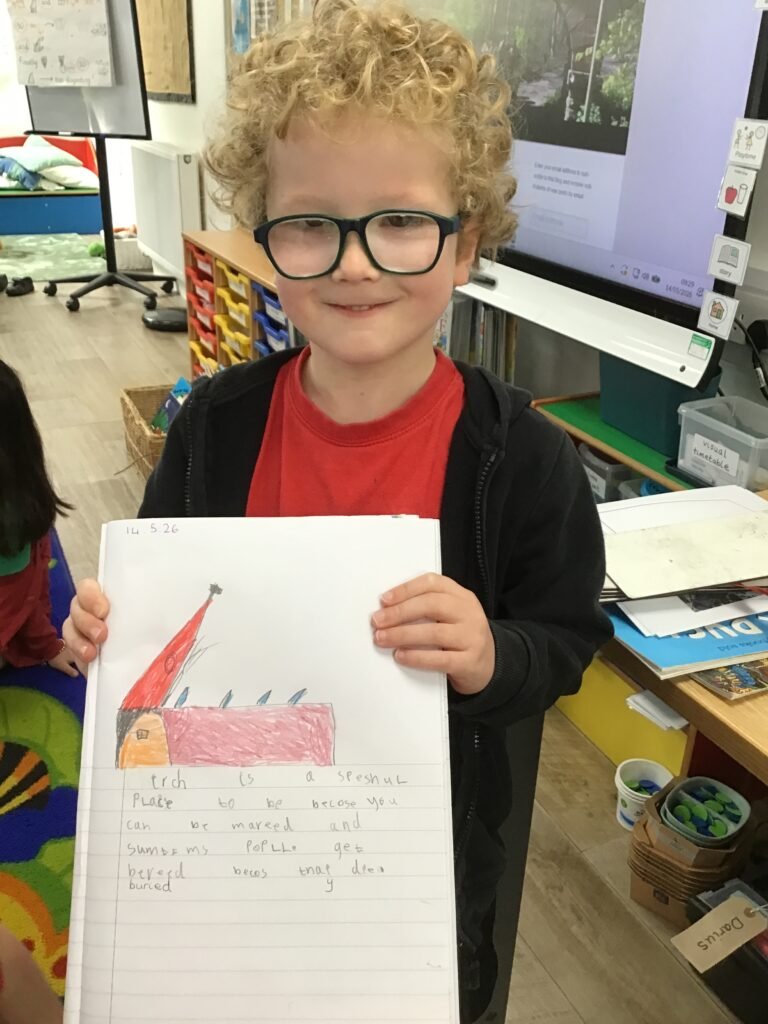
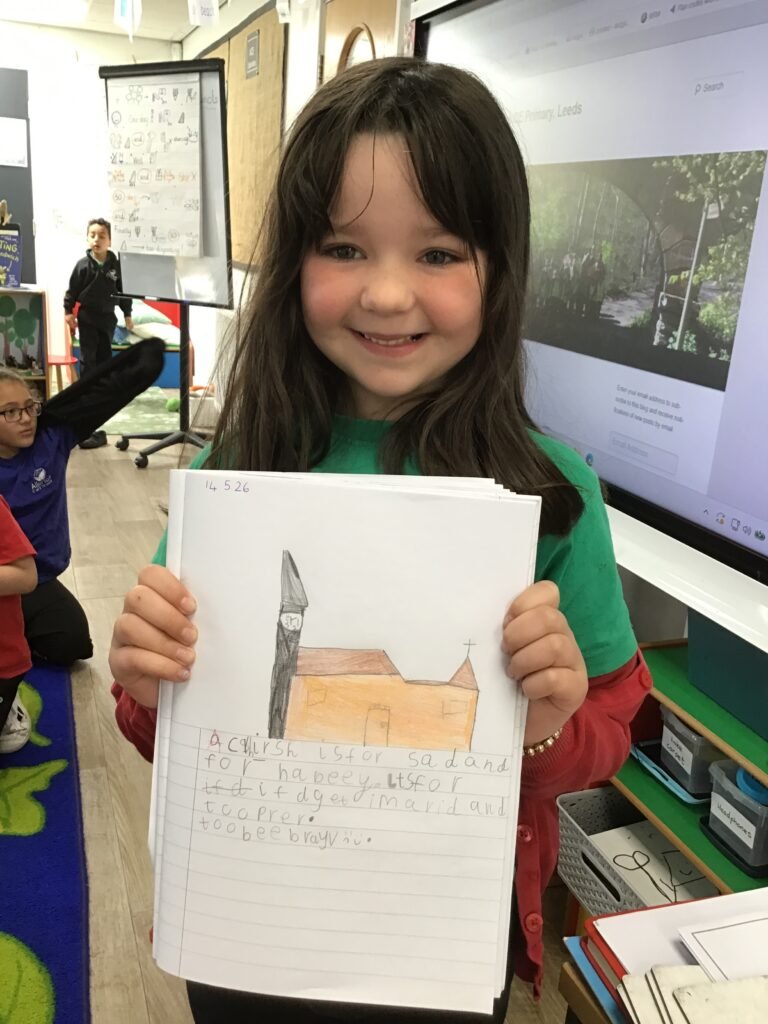
This week Reverend Sharon came to talk to Year 1 about what makes her Church a special place to be. We talked about going to church for happy occasions such as weddings, and for sad occasions such as funerals. The children listened carefully and talked about their experiences of going to church. Next week Miss Tarbin is going to talk about her special place- the Mosque.
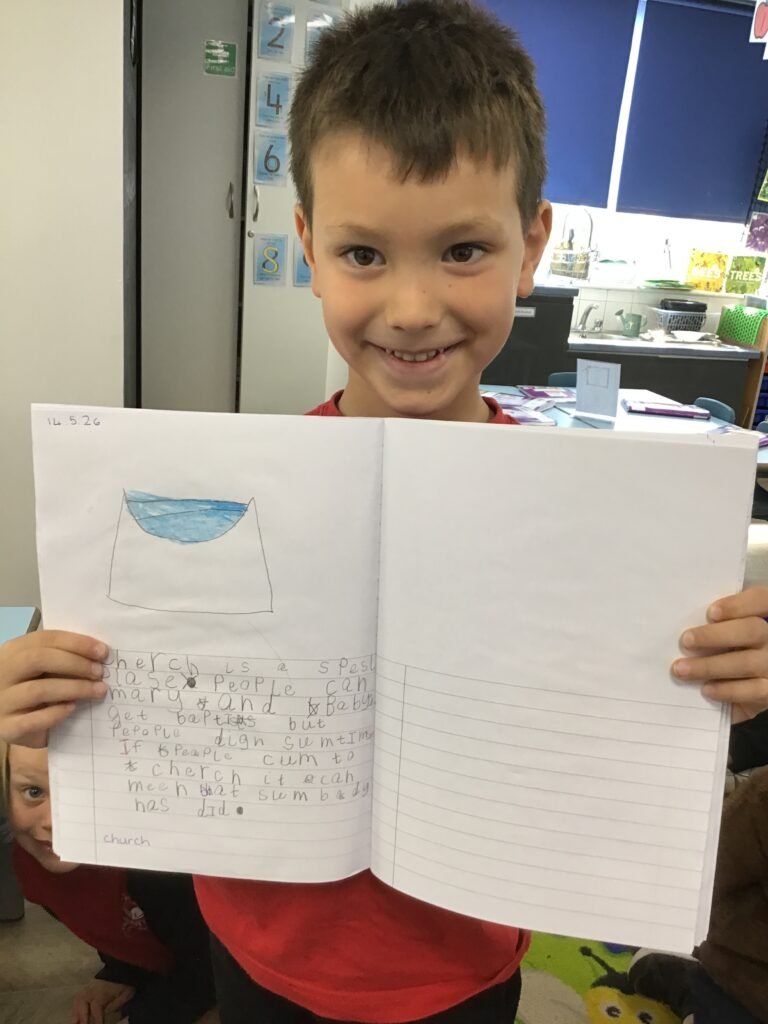
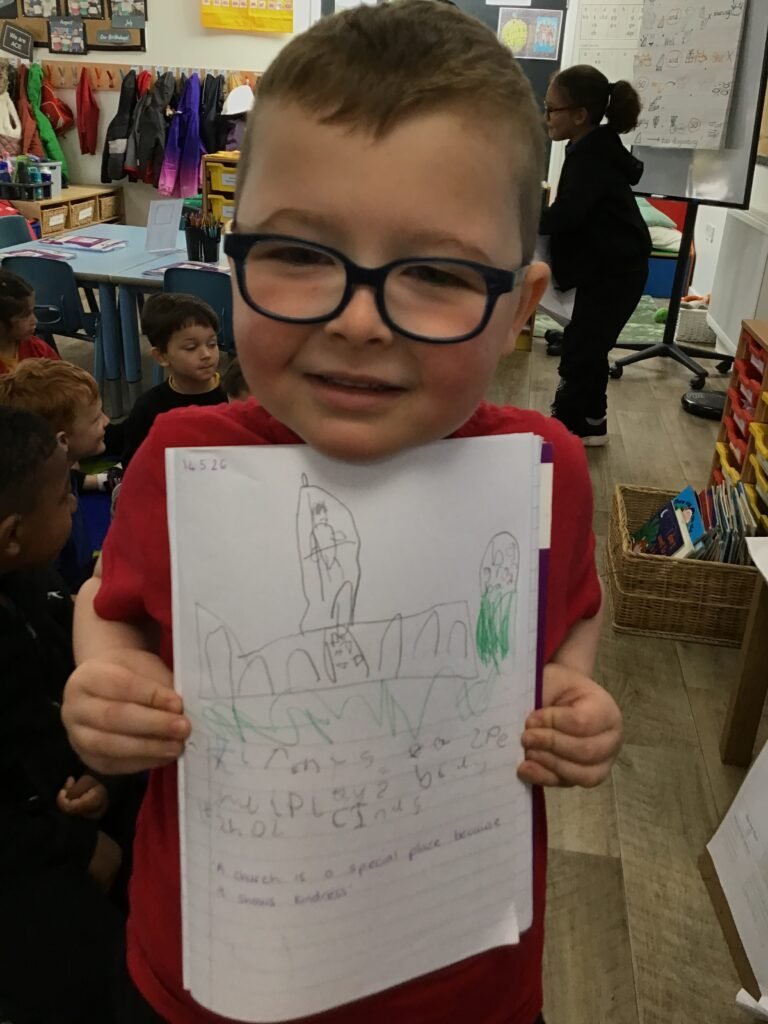
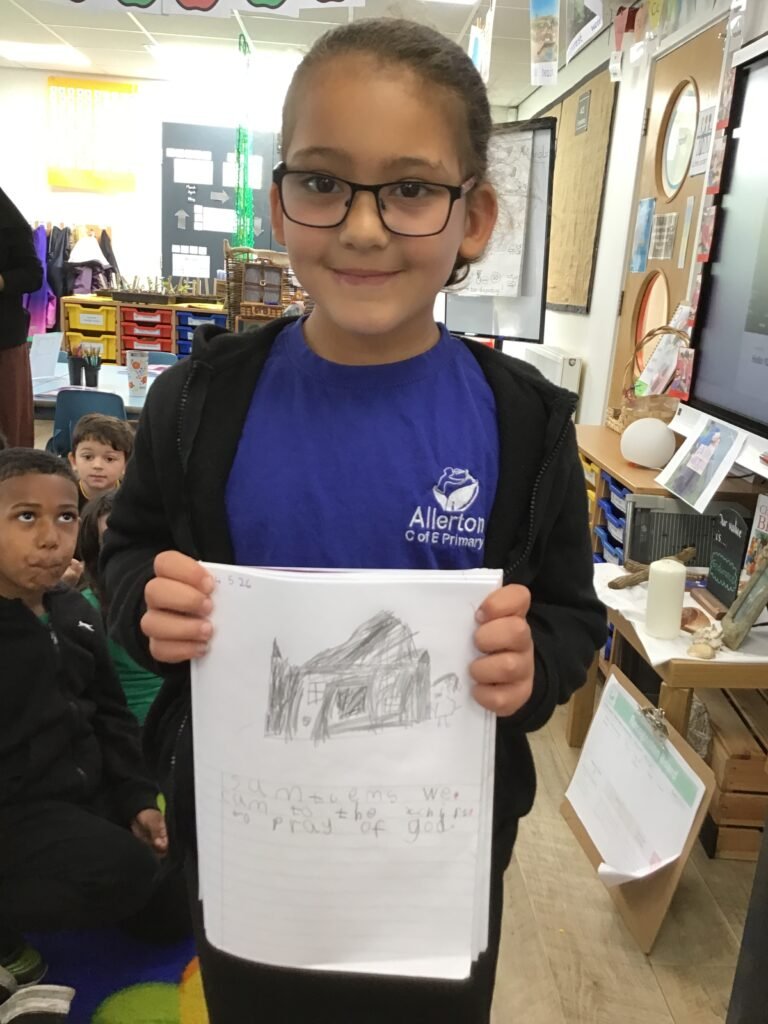
The next day, the children wrote about what makes a church special, we were so impressed with their writing!
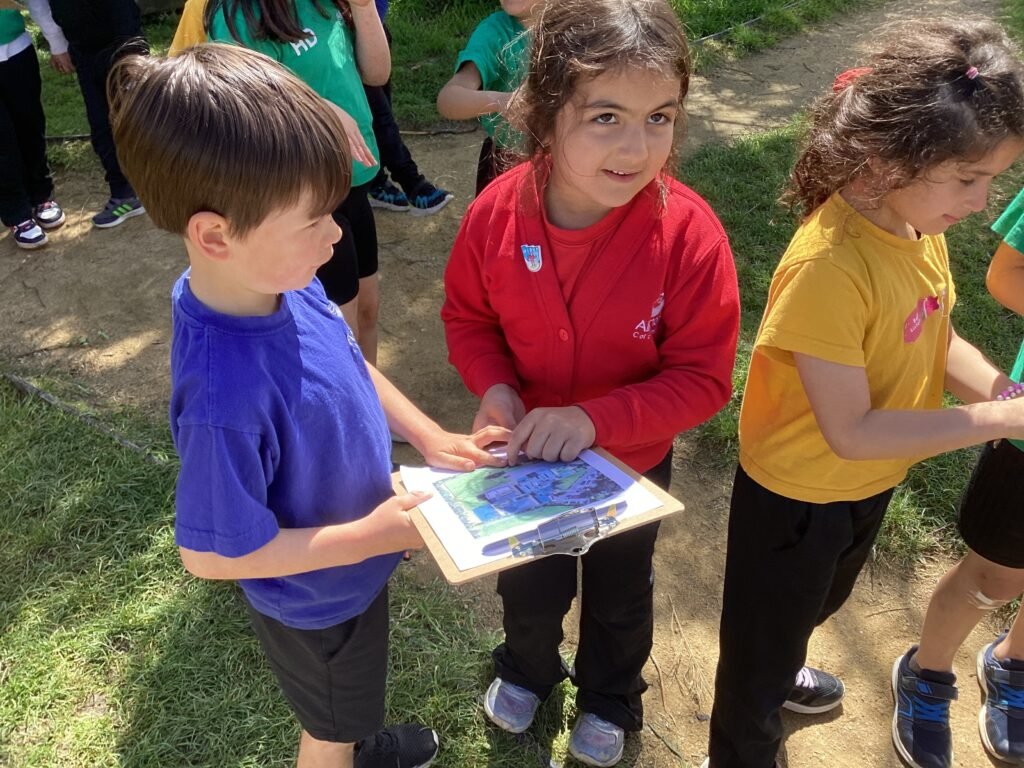
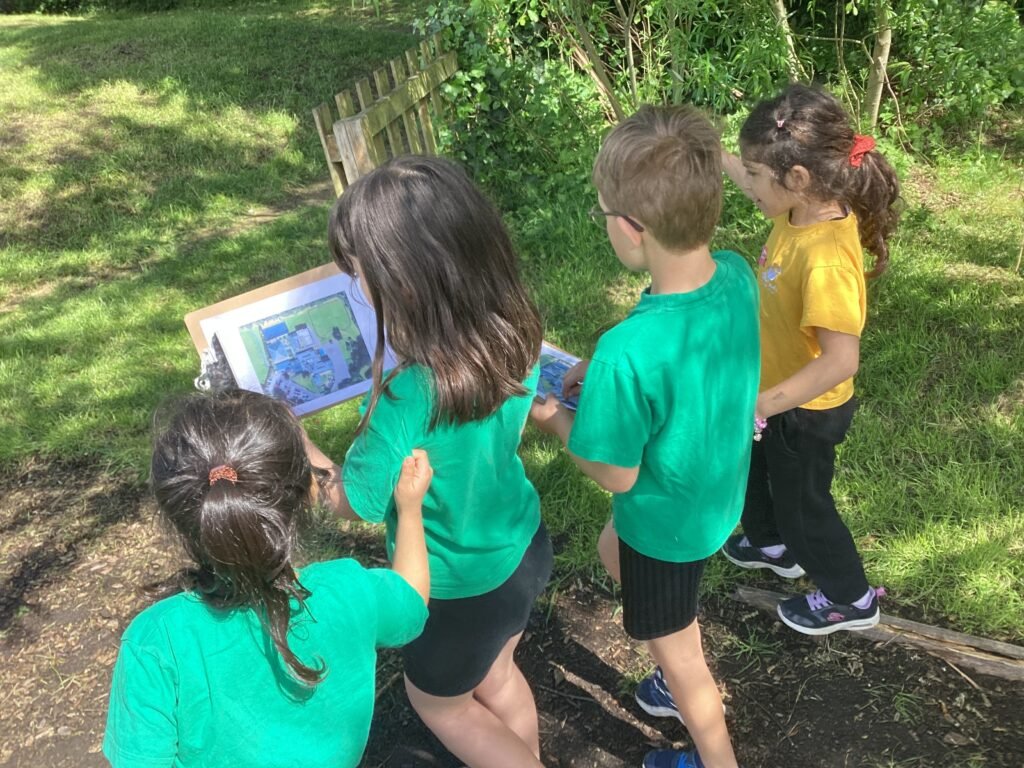
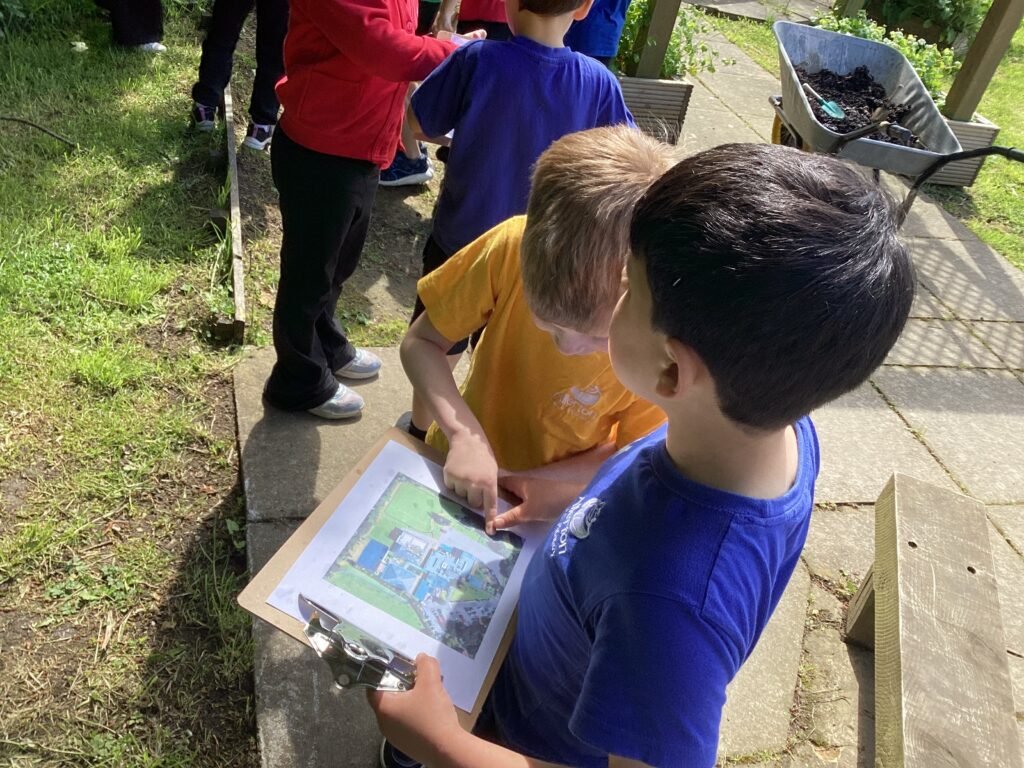
In Geography this week we looked at an aerial map of the school grounds and went outside to see if we could follow the map! Mr Arnott, our Geography lead came to join us and took these photos showing the children using the maps.
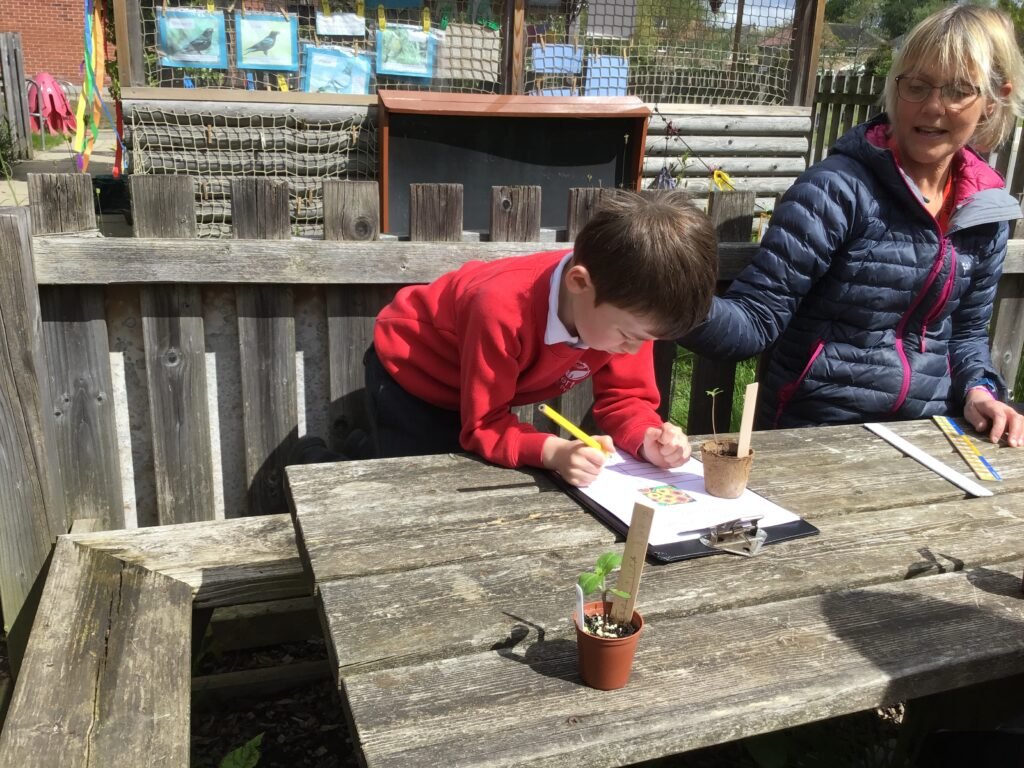
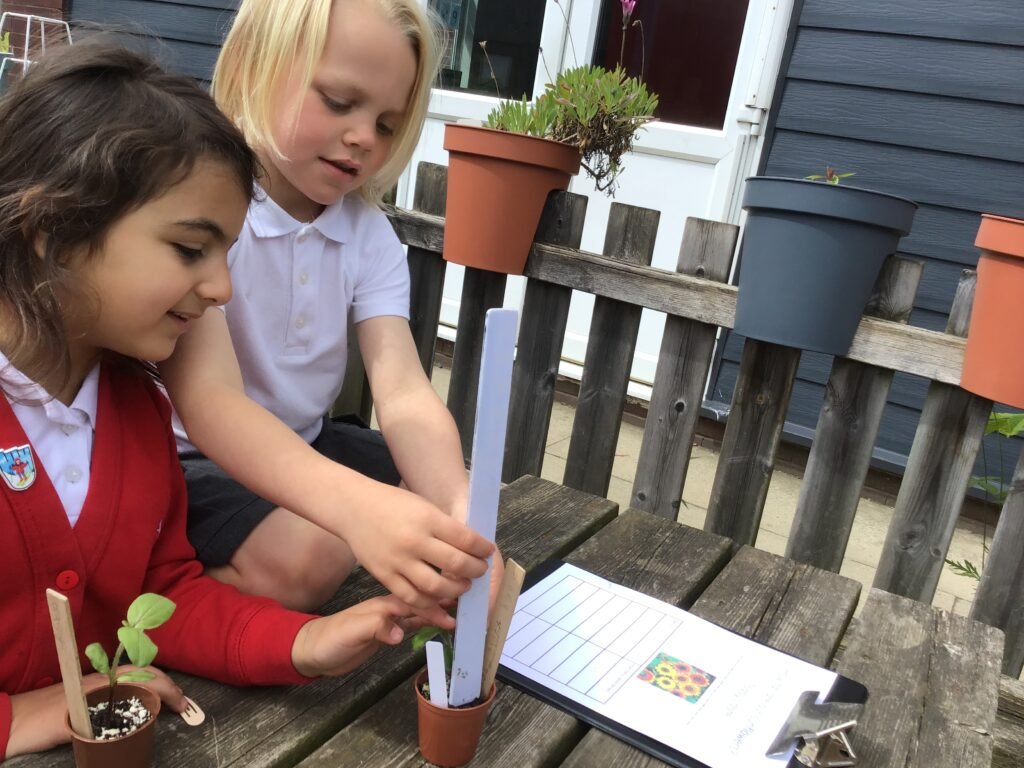
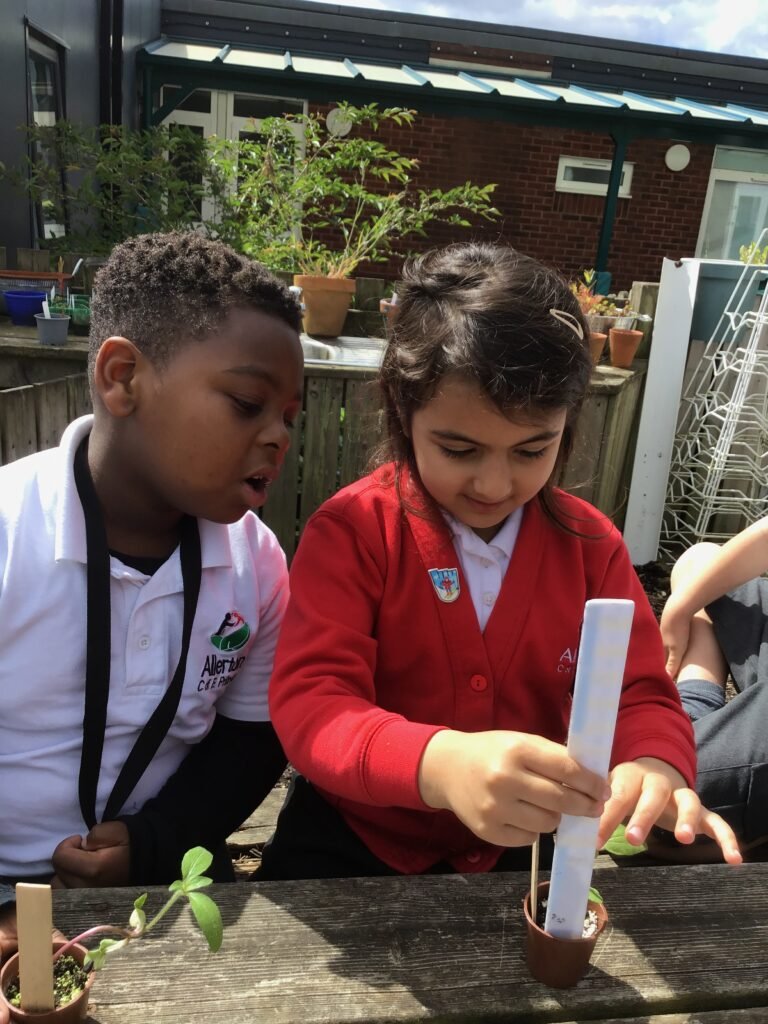
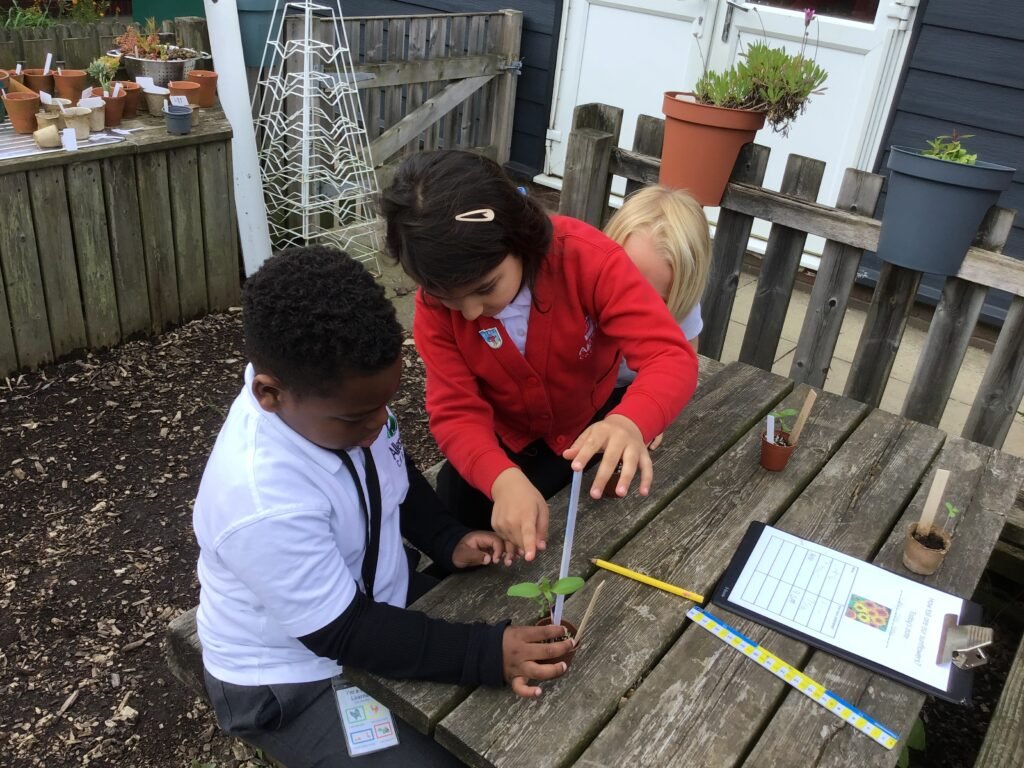
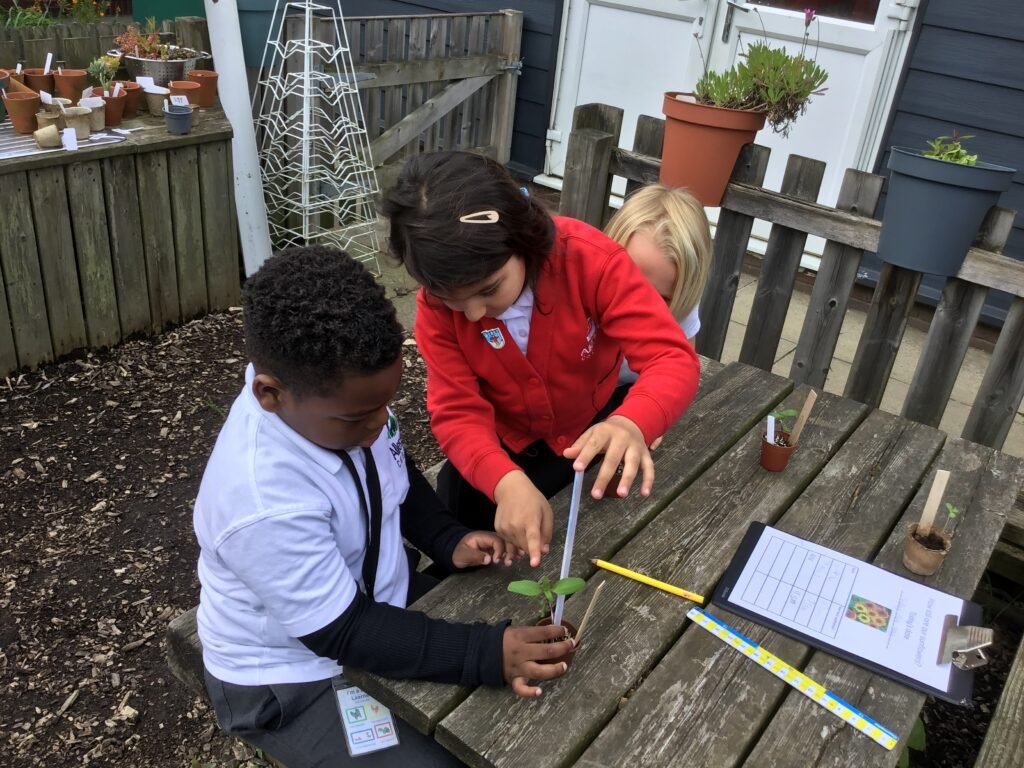
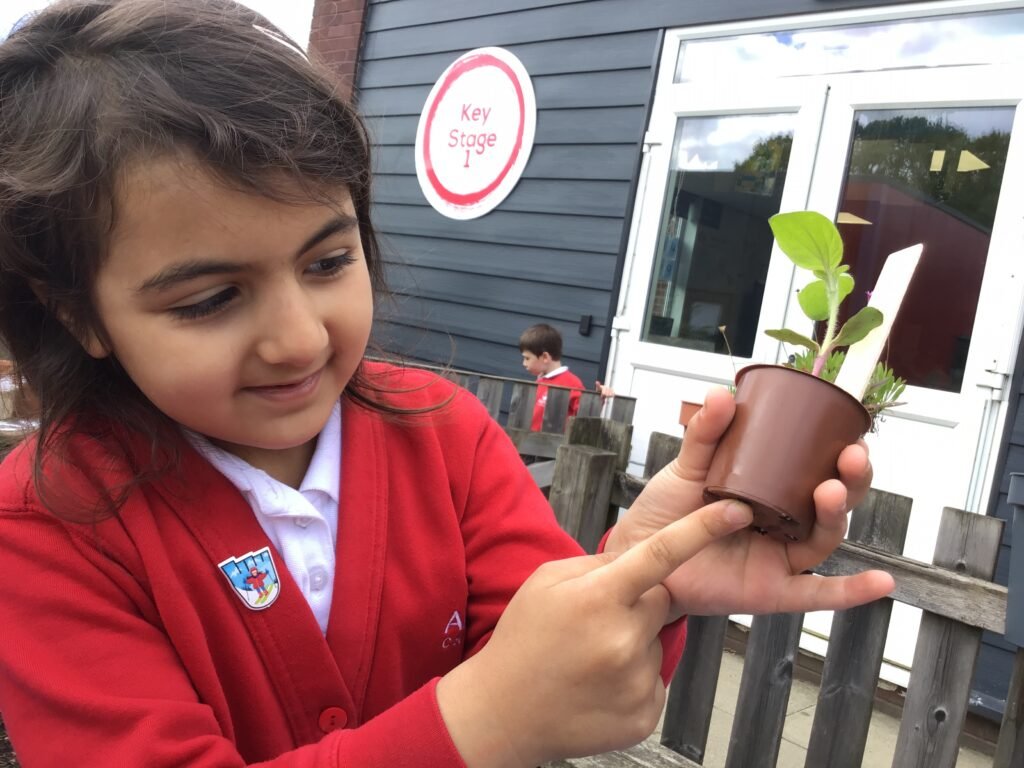
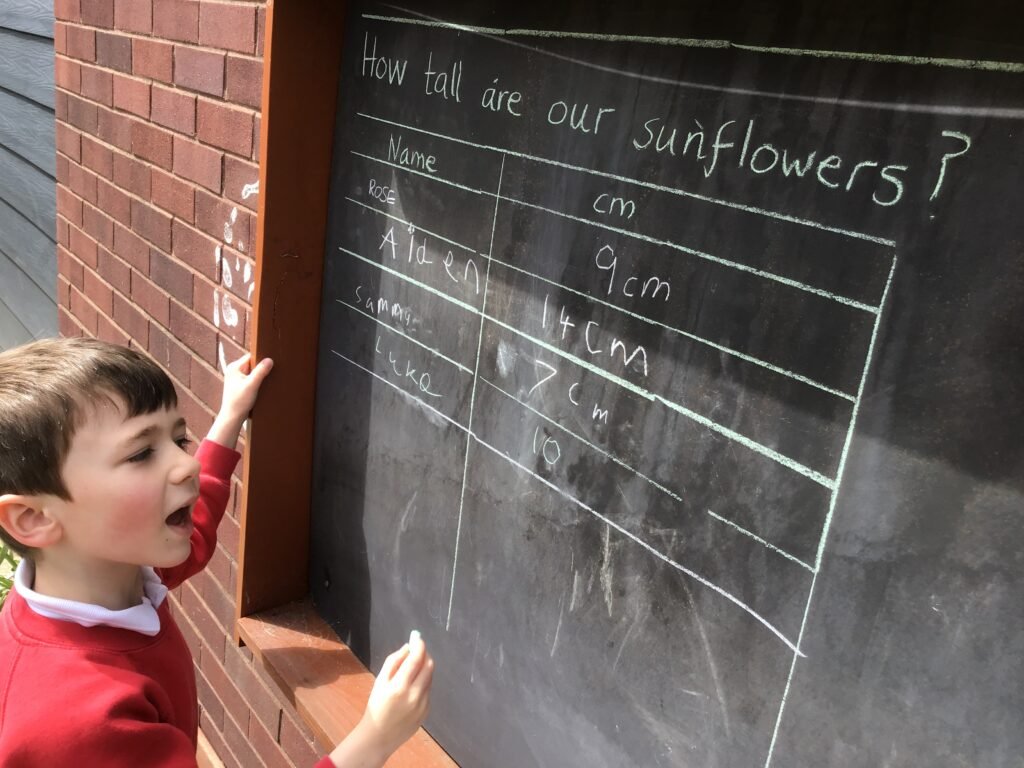
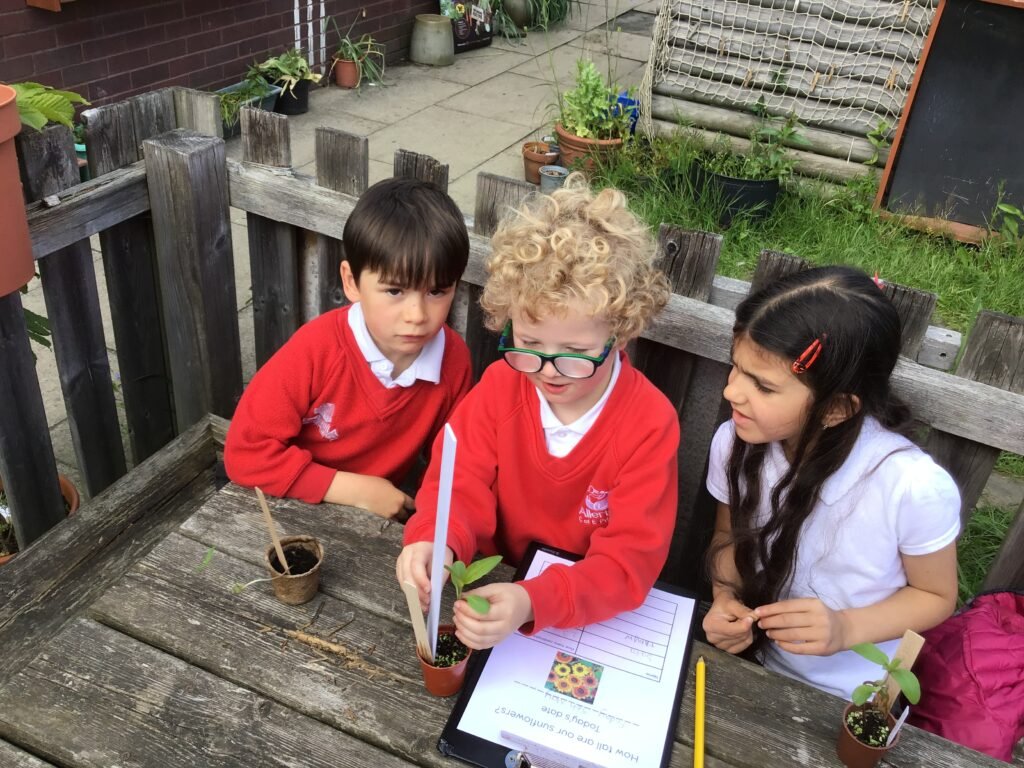
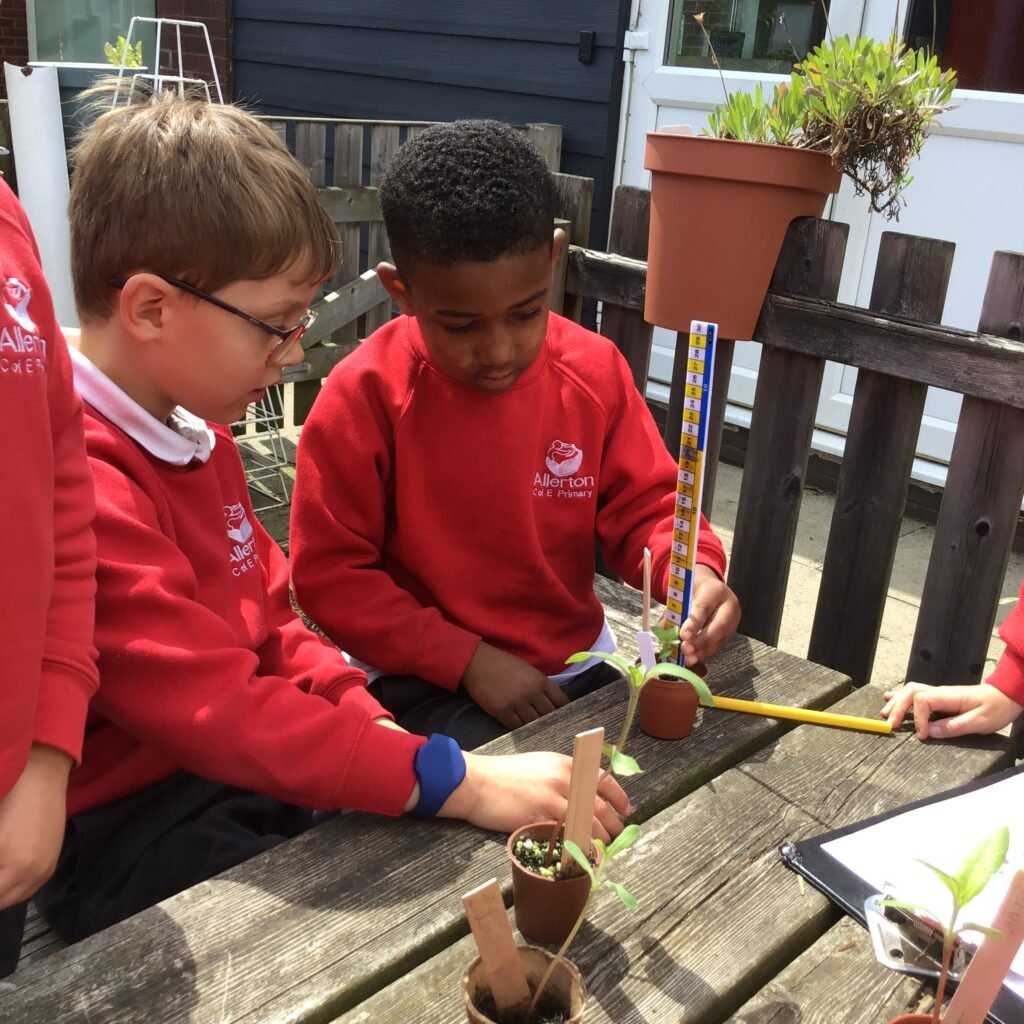
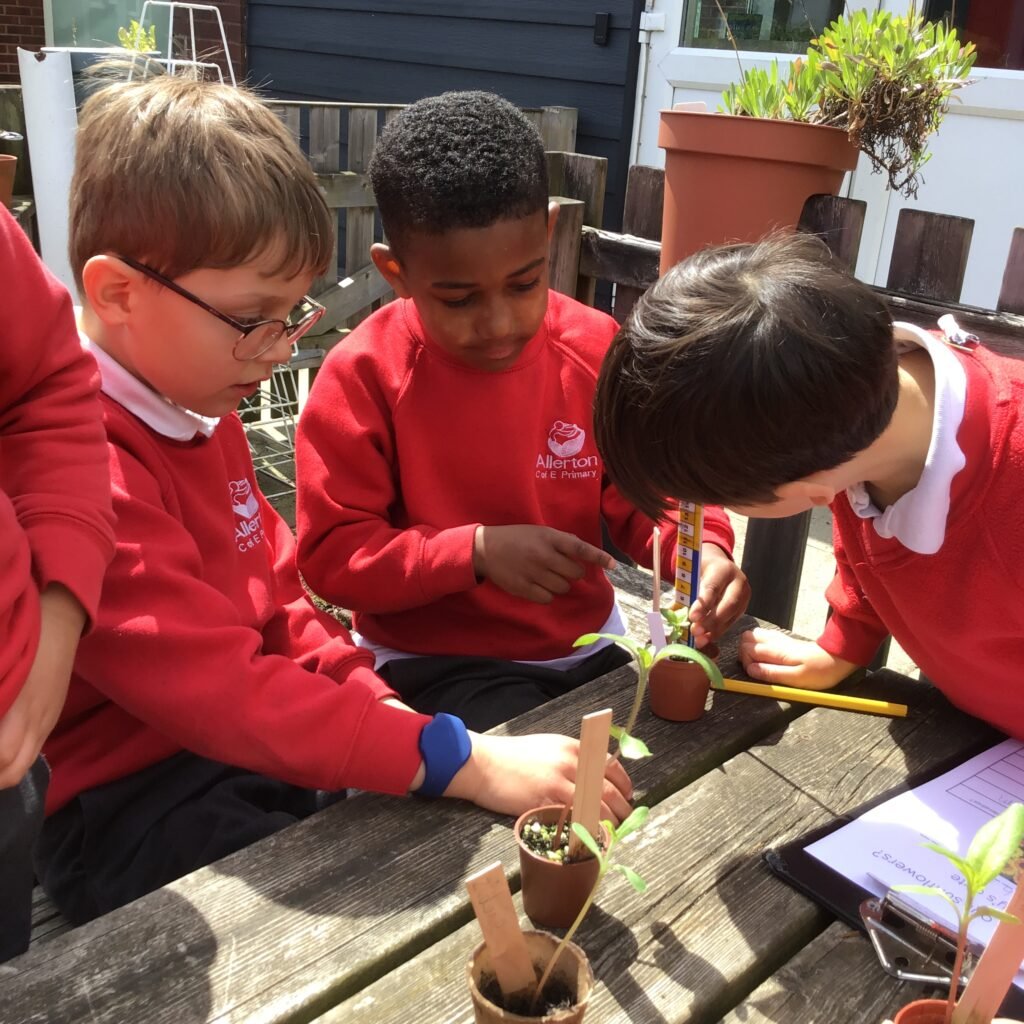
Finally, today we went outside and measure the heights of our sunflowers. Next week they will home their plants and hope you can plant them outside!
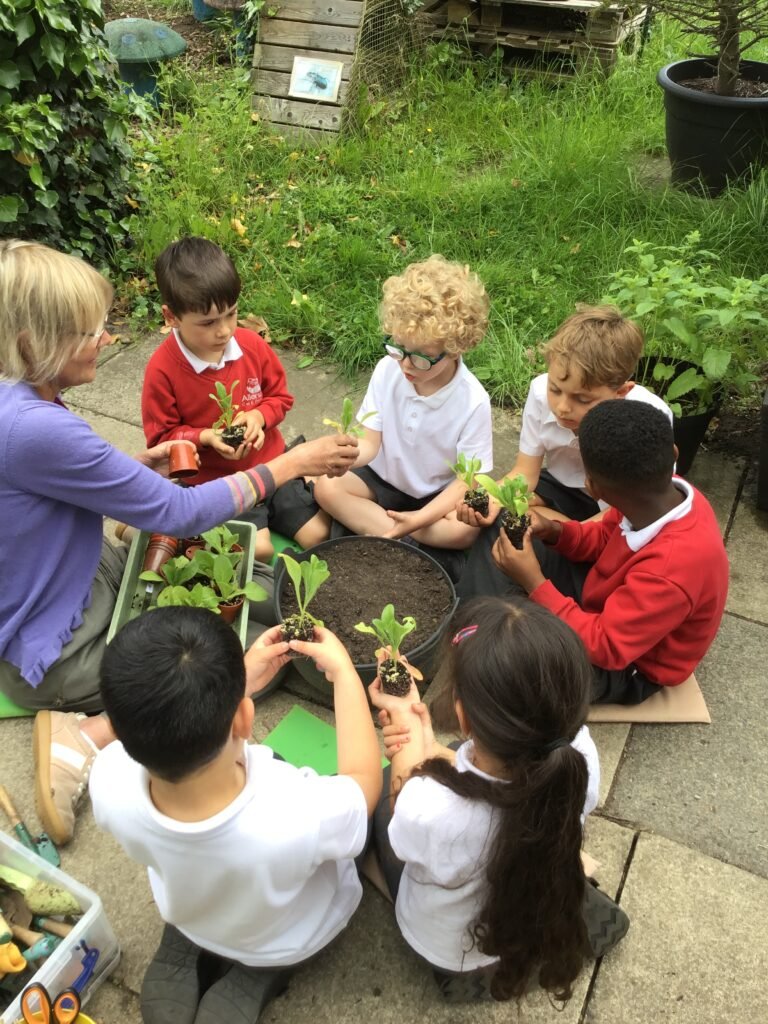
This week, the children started a science investigation with broad beans. We placed the beans on damp blotting paper inside a plastic bottle so that we can observe how seeds begin to grow. We talked about what seeds need to germinate, including water, warmth, and light. Will we the root or the shoot first?
The children showed excellent teamwork and great curiosity during our planting activities. We cannot wait to continue observing the changes in our plants and beans.
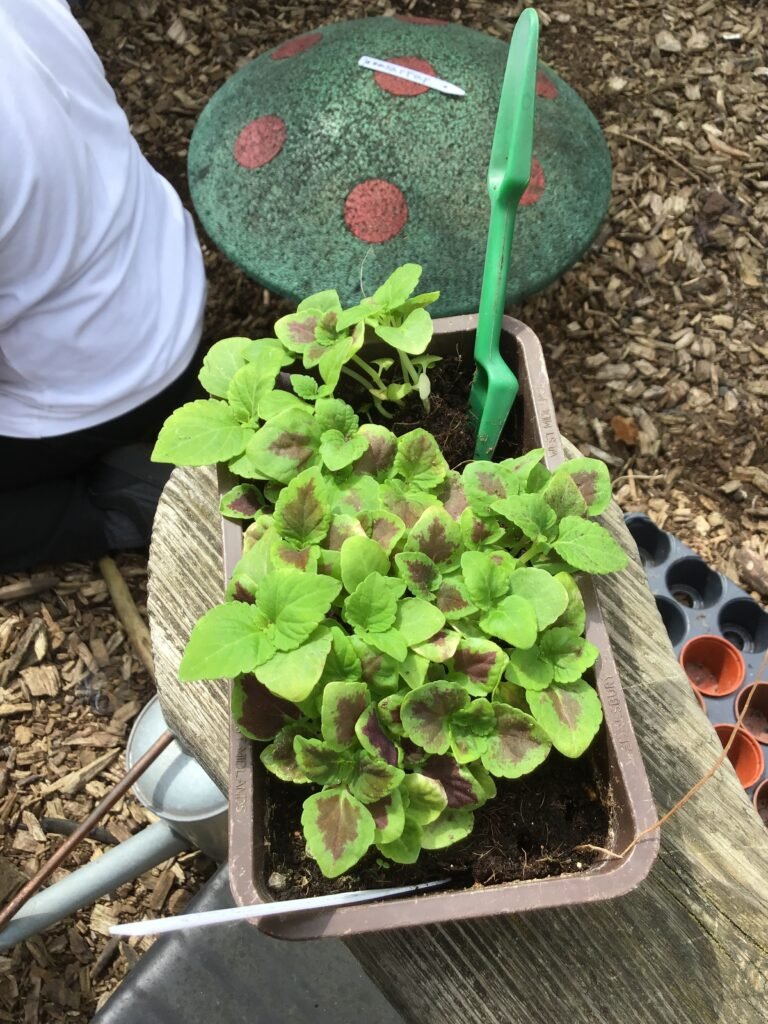
We also planted some coleus seedlings. These plants have really colourful leaves and will brighten up our classroom!
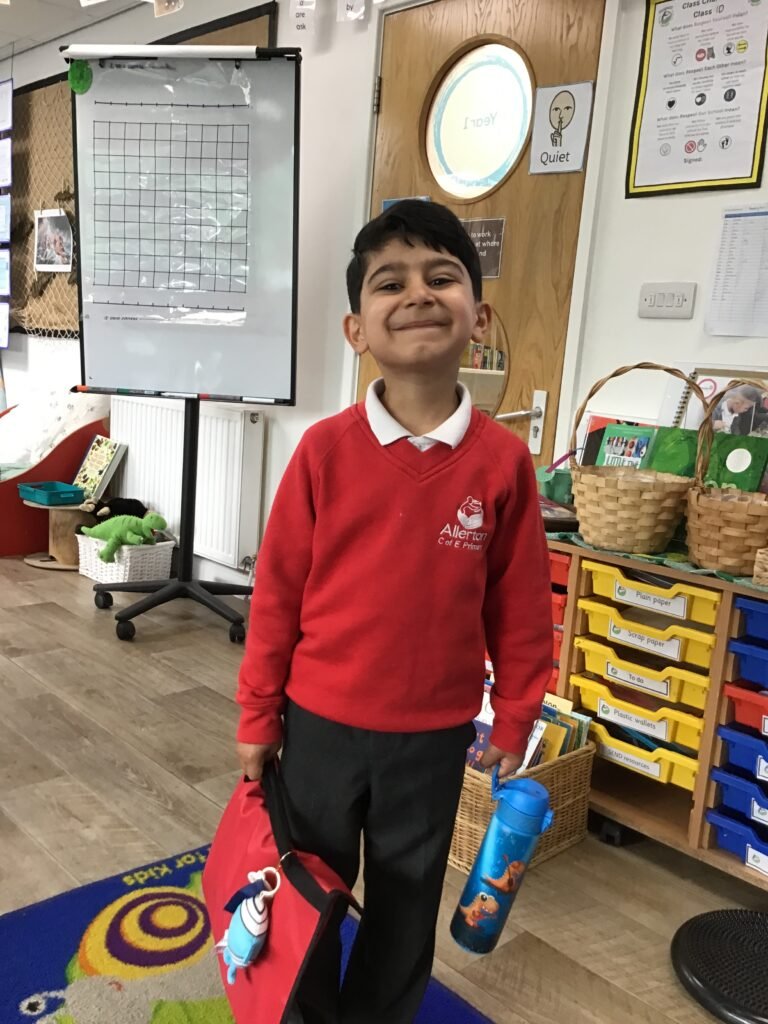
First, we filled a pot with compost and carefully made a hole in the soil. Then we placed a seedling in the hole and covered the roots with soil. We gave them plenty of water to help them grow strong and healthy. We are excited to watch the coleus plants grow over the next few weeks.
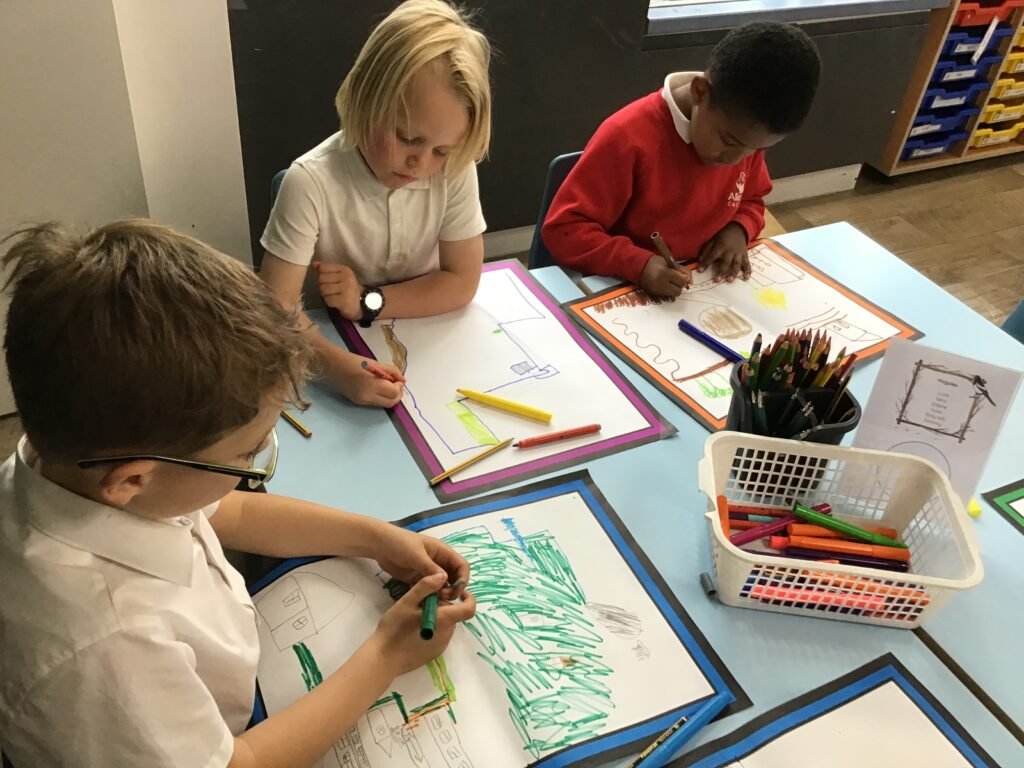
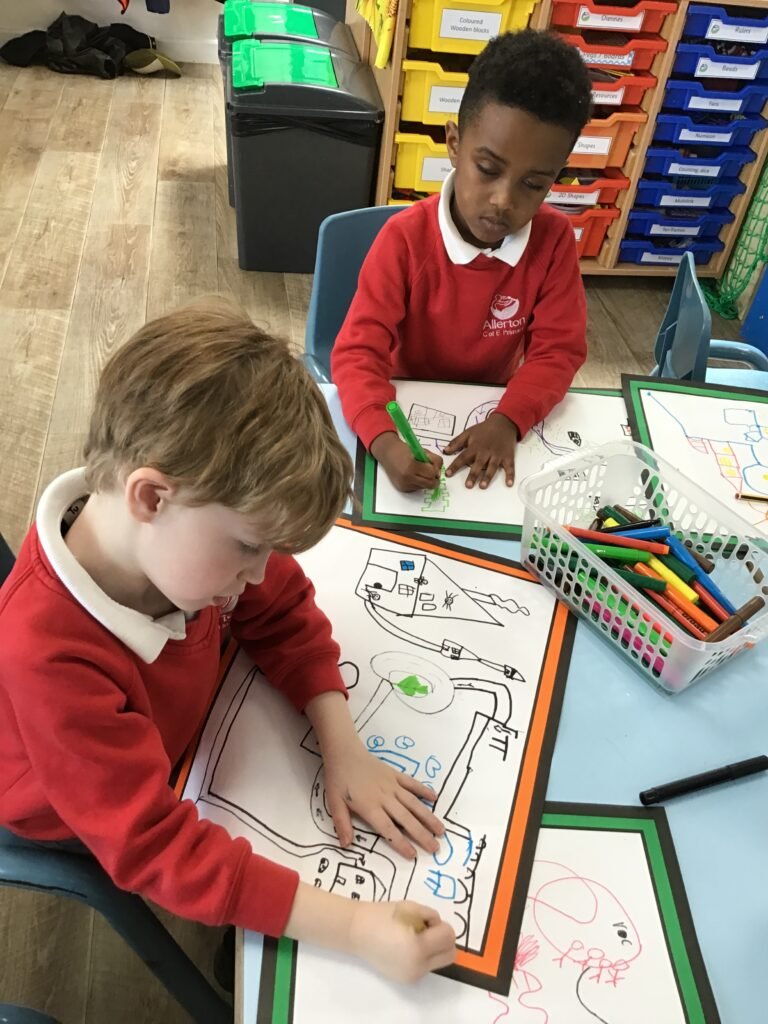
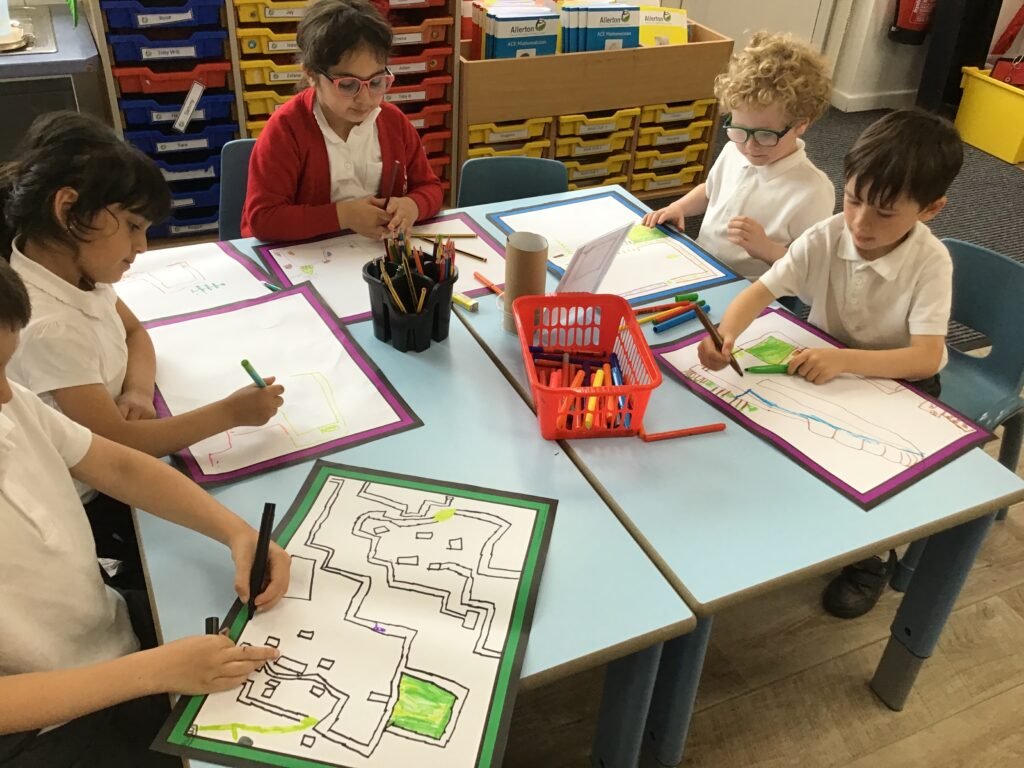
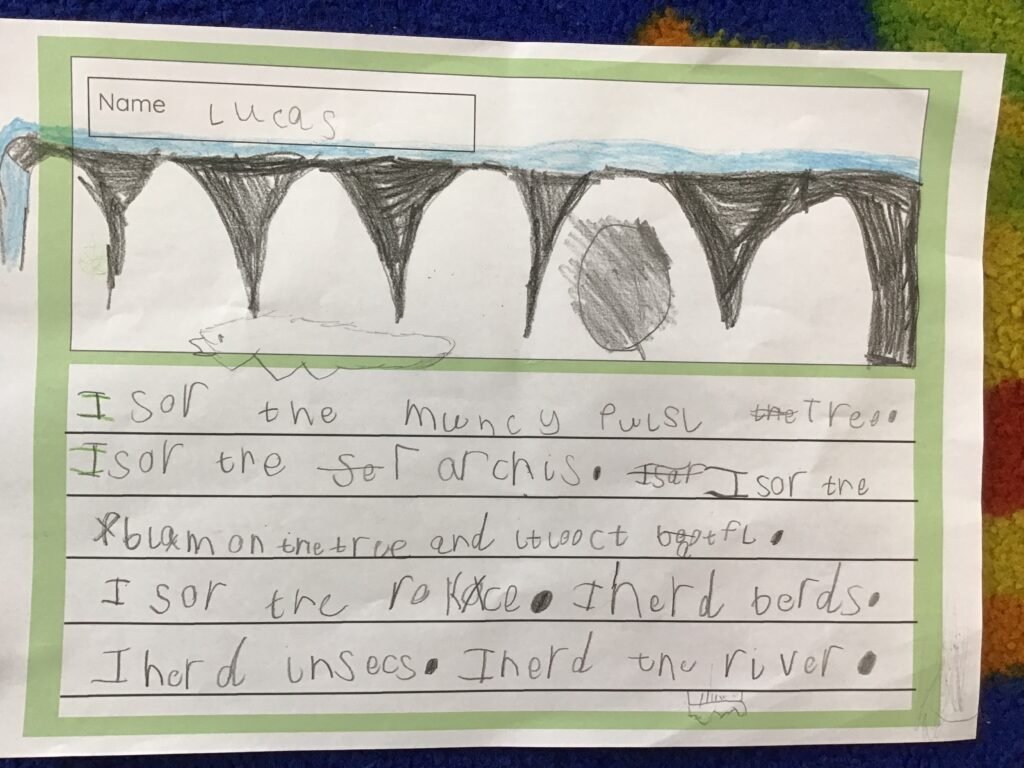
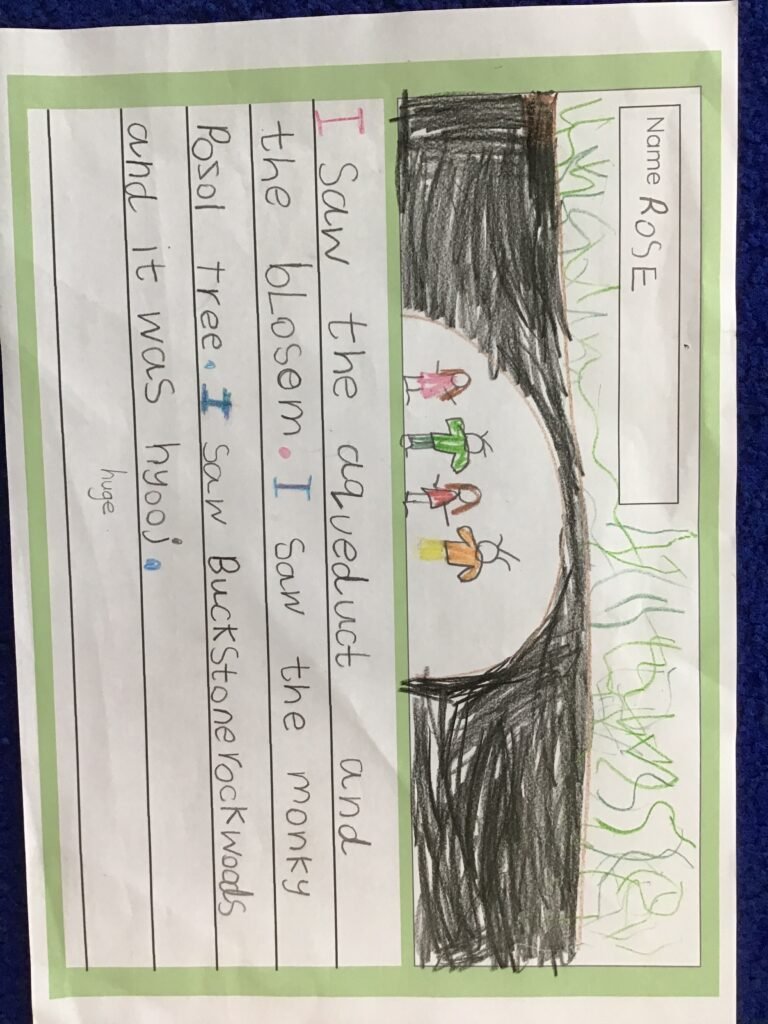
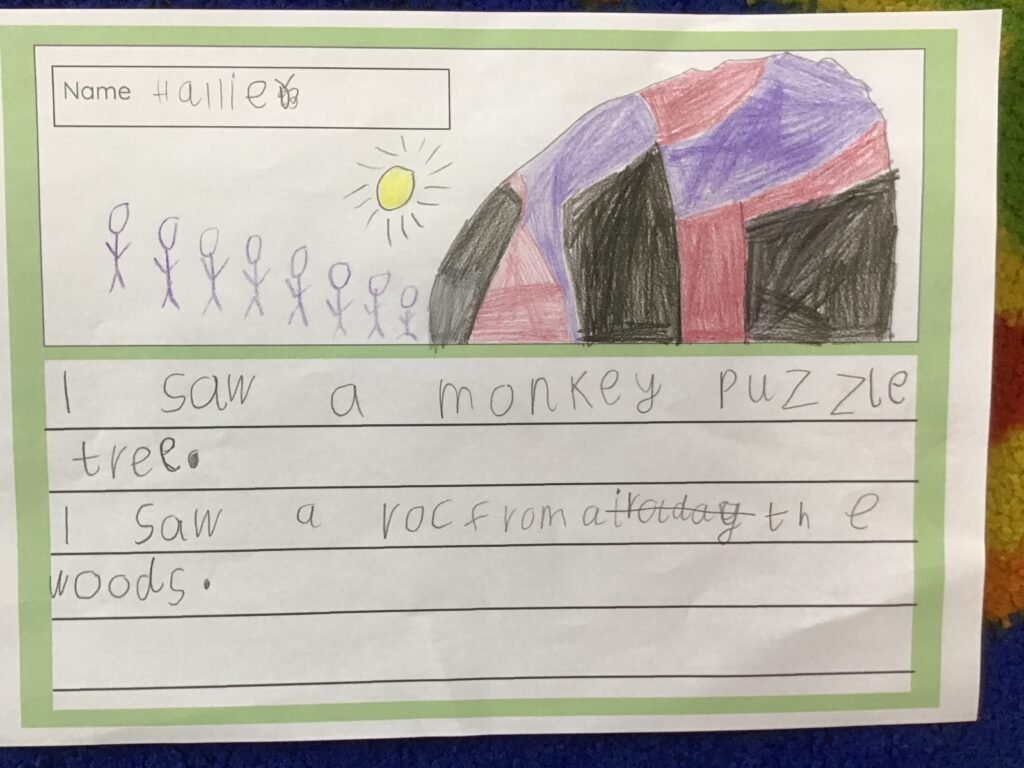
On Monday, the children recalled their walk to the woods and drew a map showing their walk. We talked about our journey, what we saw and how beautiful it was to be in the woods. We also write several sentences about what we saw and what we heard.
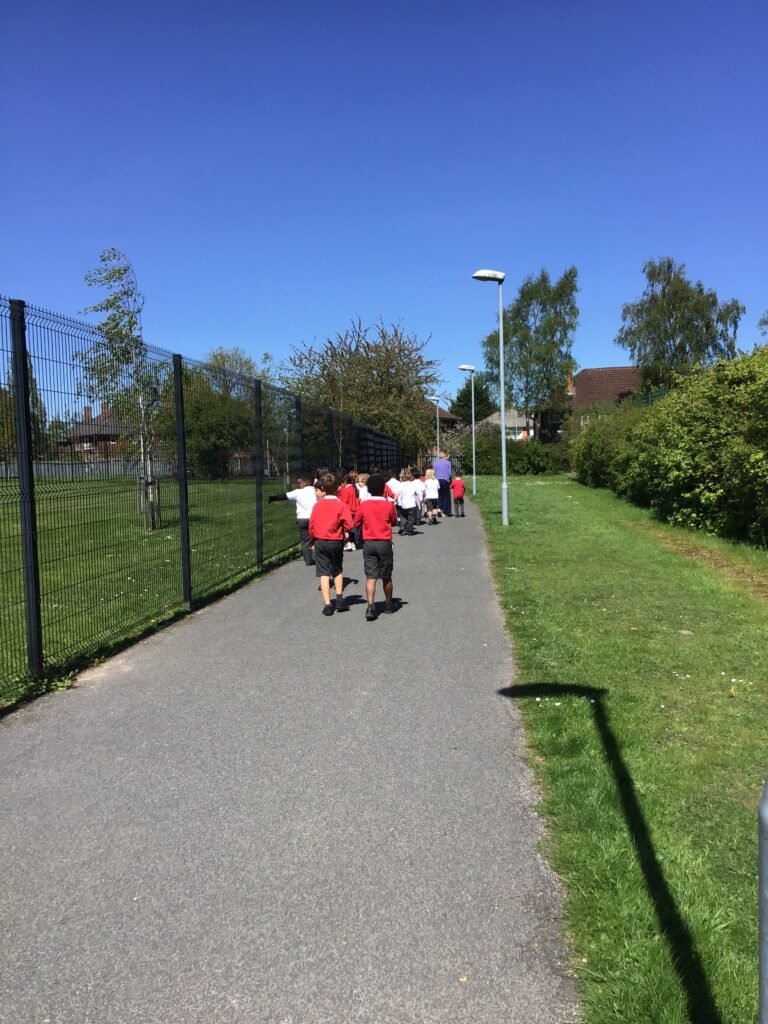
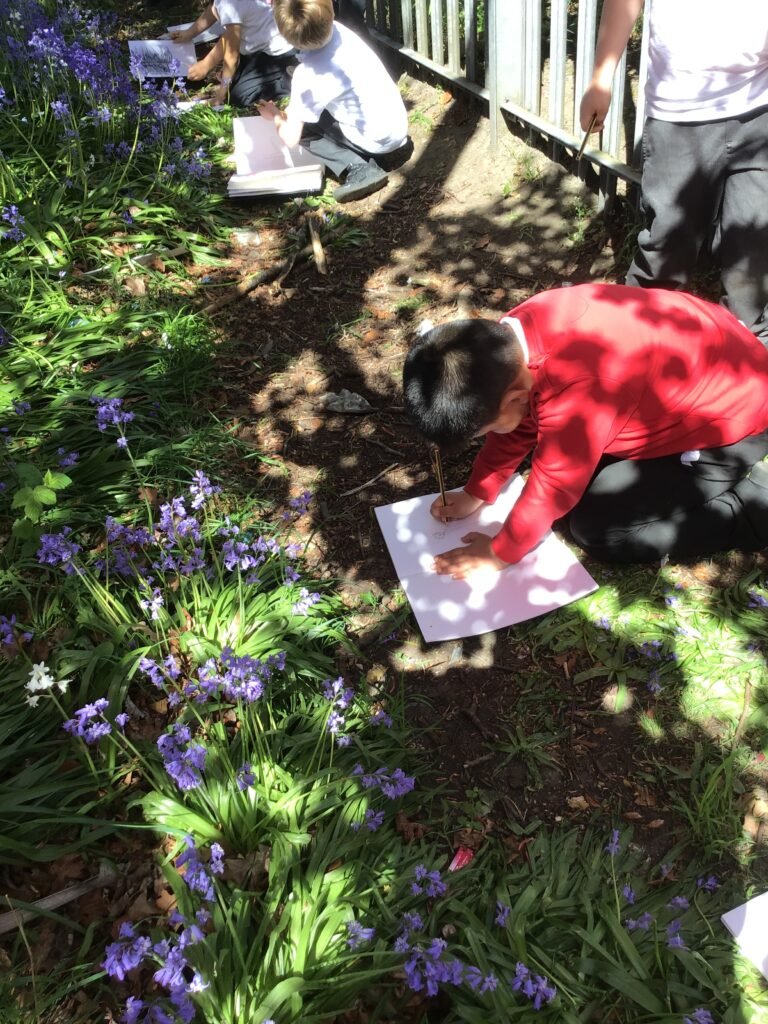
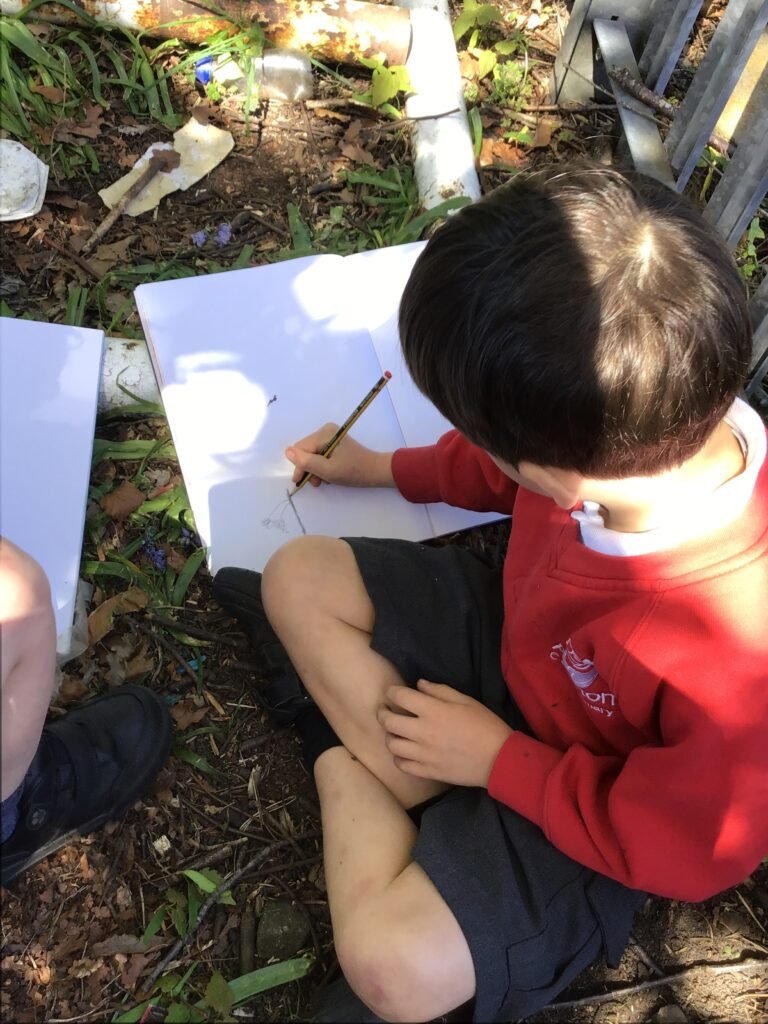
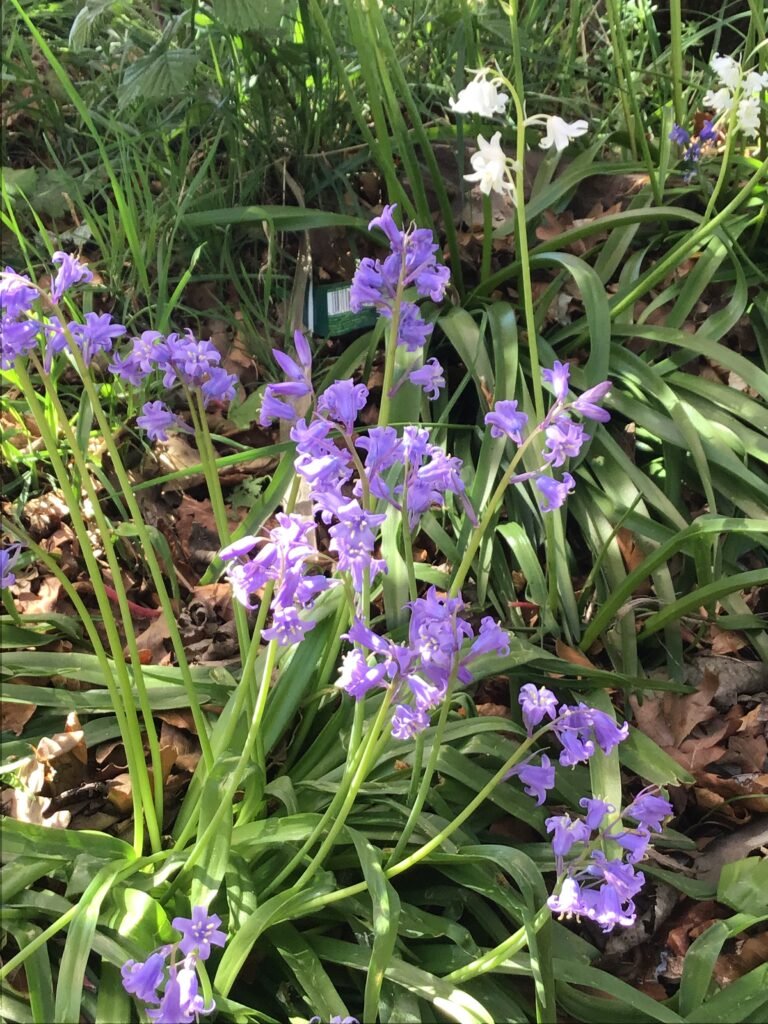
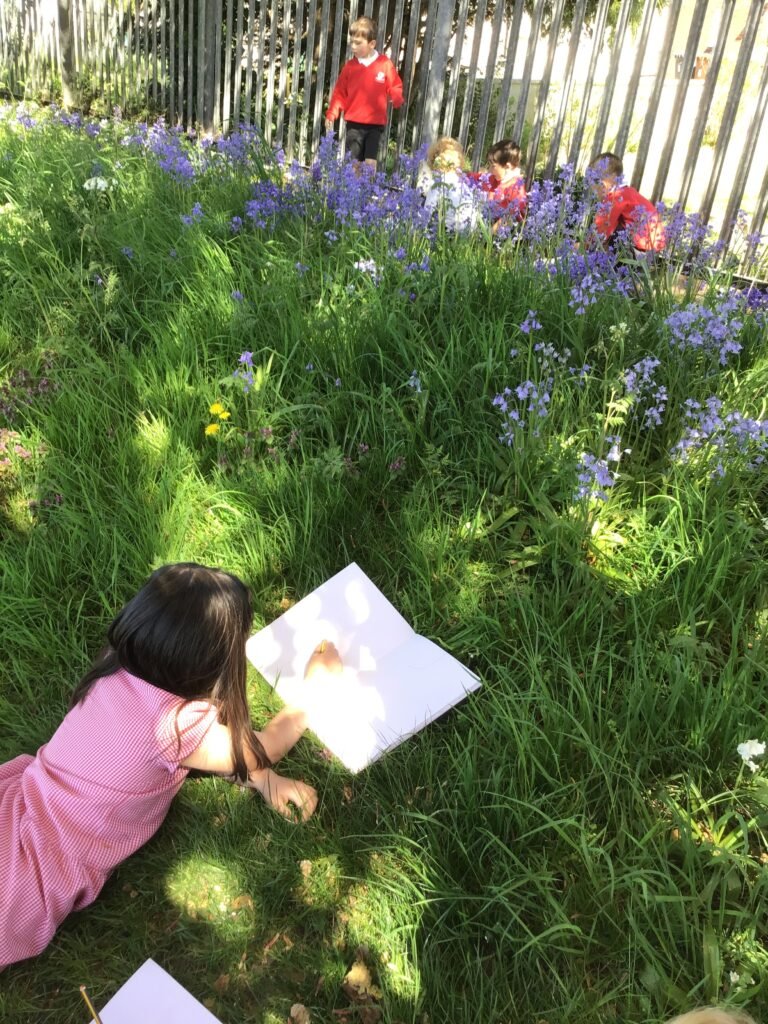
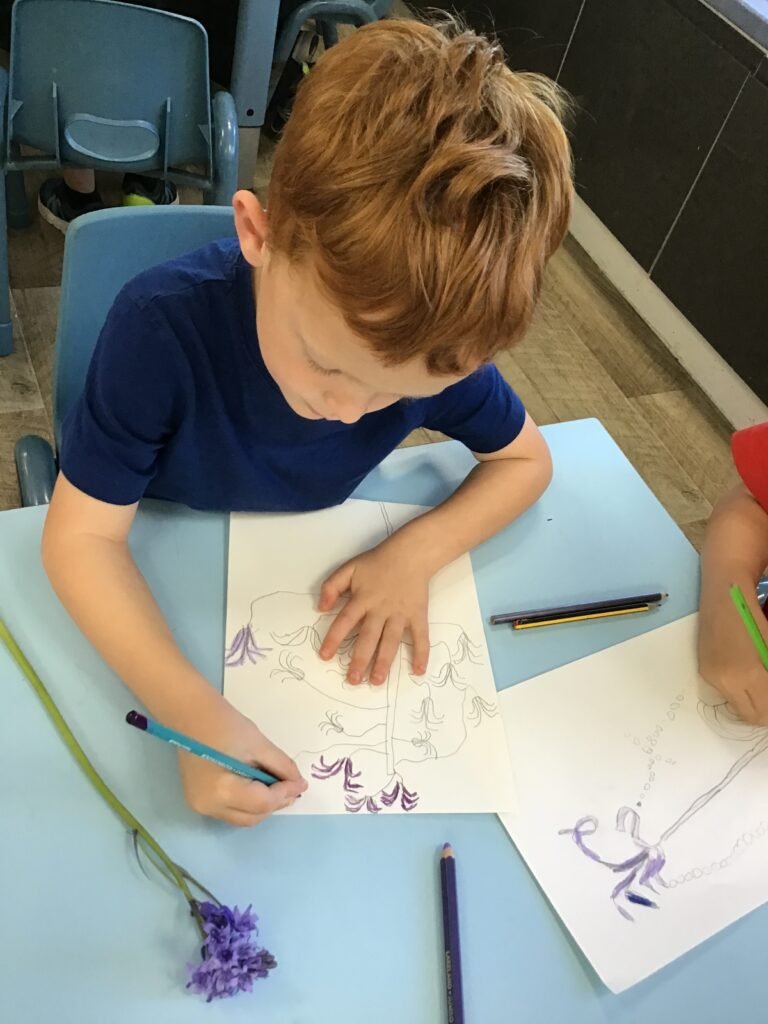
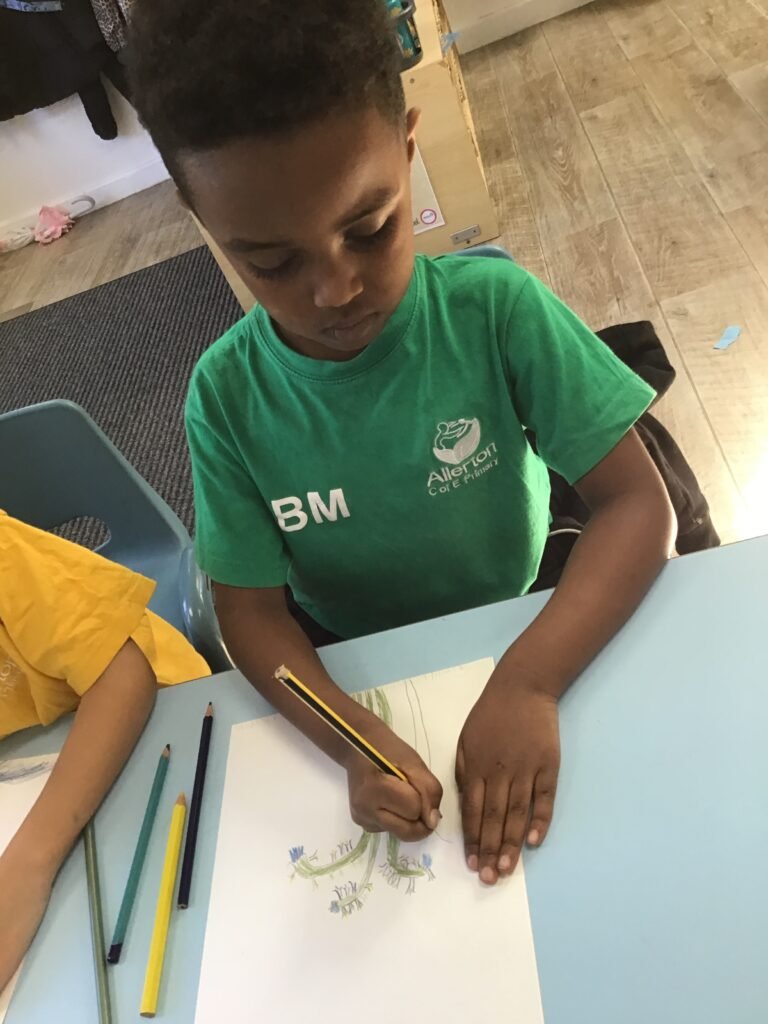
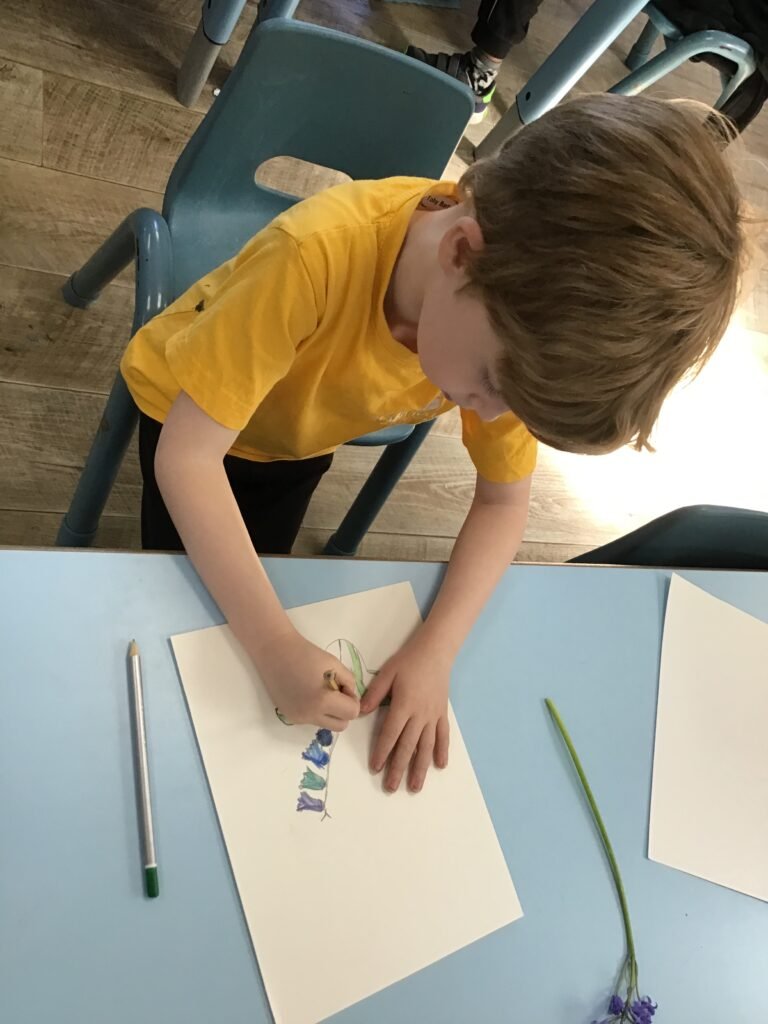
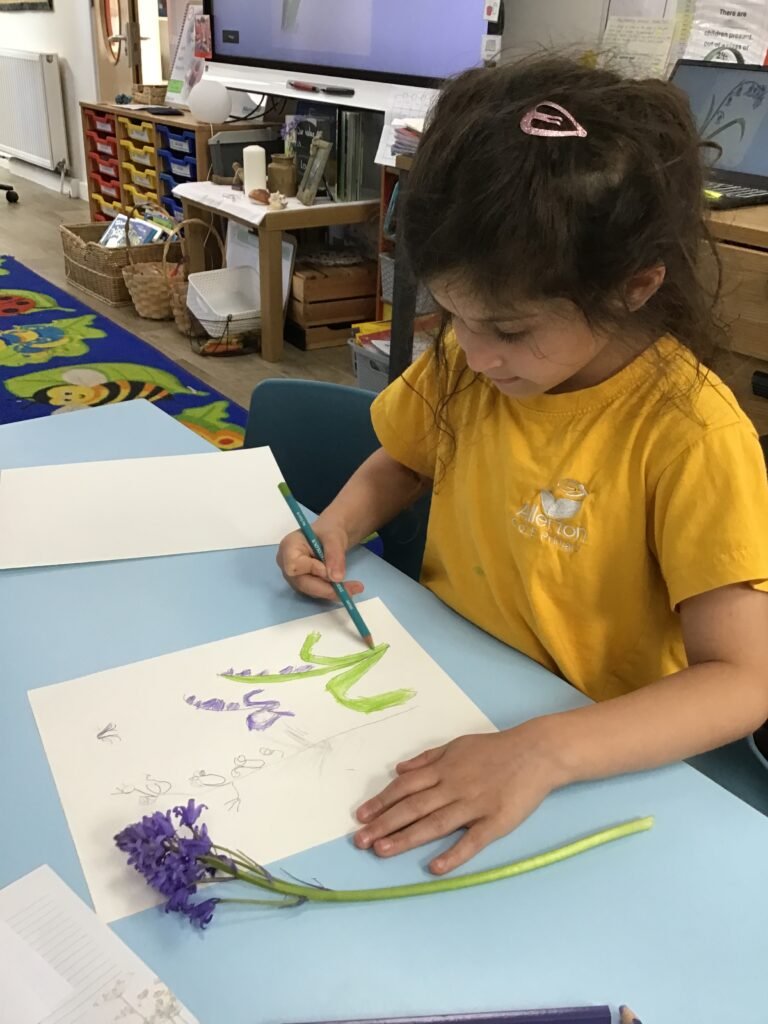
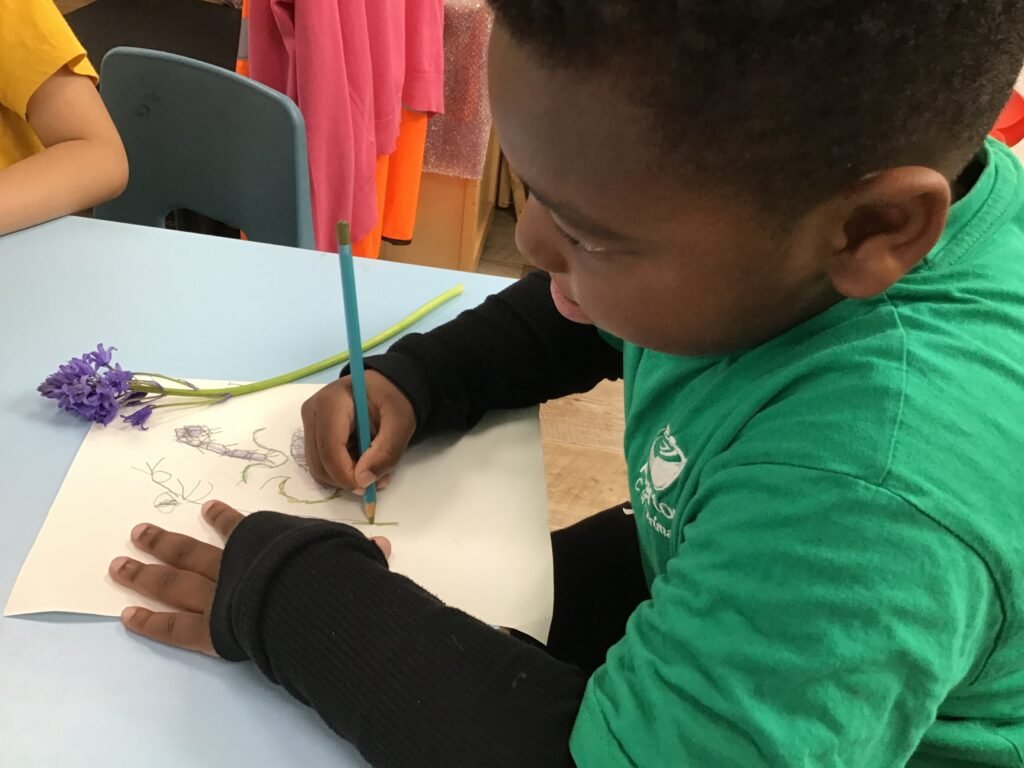
As part of our science topic, learning about plants, we took a short walk along Nursery Lane to see the bluebells. We sketched these woodland plants in situ, and then on Thursday we looked really closely at their structure and named the different parts of the plant. Our pictures are amazing!
Our focus this half term is Geography and we are learning about physical and human features.
First we looked at photos in our talk partners and decided if we could see human features (These are things made by people) or physical features (These are things that are natural)
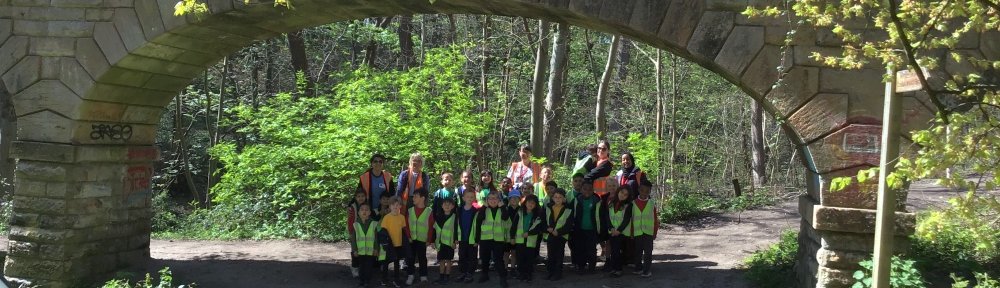
On Thursday afternoon we went for a walk into Scotland woods, looking for human and physical features. We had looked at the online OS map in class so knew exactly the route!
We saw many human features at the beginning of the walk, such as the pavement, litter bins, lamp posts. But we also enjoyed seeing the green hedges and stood under a tree full of pink blossom.
Just before we entered the woods we looked at the Monkey puzzle tree in a garden!
As soon as we entered the woods we listened carefully to the birds singing in the trees. The trees were tall and we started to notice woodland plants, especially bluebells.
As we walked down the path, we noticed some human features and then saw the Seven Arches Aqueduct! It was an amazing human feature to stand under and hear about how it was used to carry water to Leeds.
We listened carefully to the water flowing in the stream and then walked up the hill to find the Buckstone rock, which is an amazing physical feature!
After a long walk we arrived back into the classroom ready for milk, snack and hometime.
What a celebration! Thank you to all of the grown ups for coming to the Arts Celebration today. It was such a wonderful event and the children have worked so hard over the last two weeks to create something so wonderful. There’s been so incredible collaborations happening in the art studio and I’m so proud of how hard each and every one of them has worked. I hope you had just as much fun watching their dance as I did!
in PSHE this half term we’re looking at how to stay safe while we do fun things. This week, we’ve been learning about the importance of rules while playing games outside, and we’ve made posters about how to stay safe in the sun. We’ve got some great ideas and we clearly know how to make sure we are safe. when we were playing games outside it was great to see us playing safely and listening to different rules so that we could play safely.
We’ve had a super busy week this week! This week we’ve started learning all about the Great Fire of London. Today’s history lesson focused on the timeline of events including when it started, where it was and how long the fire went on for. We had lots of knowledge about this already, we were very impressive.
We’ve also started learning how to use a BeeBot. This little bee gives us the chance to practice creating a sequence of movements for the bee to make. The first lesson has just been a chance to figure out the different things the BeeBot can do, next week our challenges will be to move them around different objects. Wish us luck!